

Table of Contents
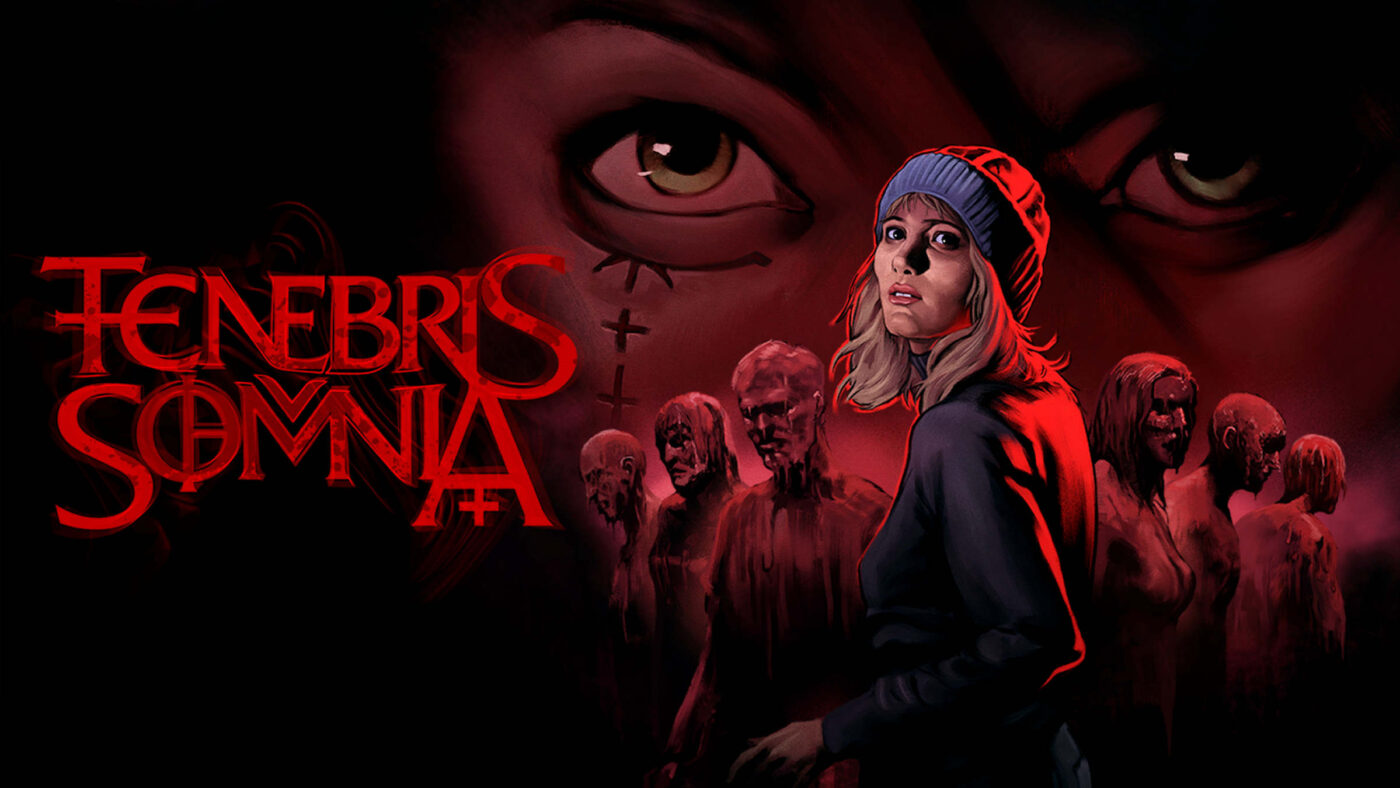
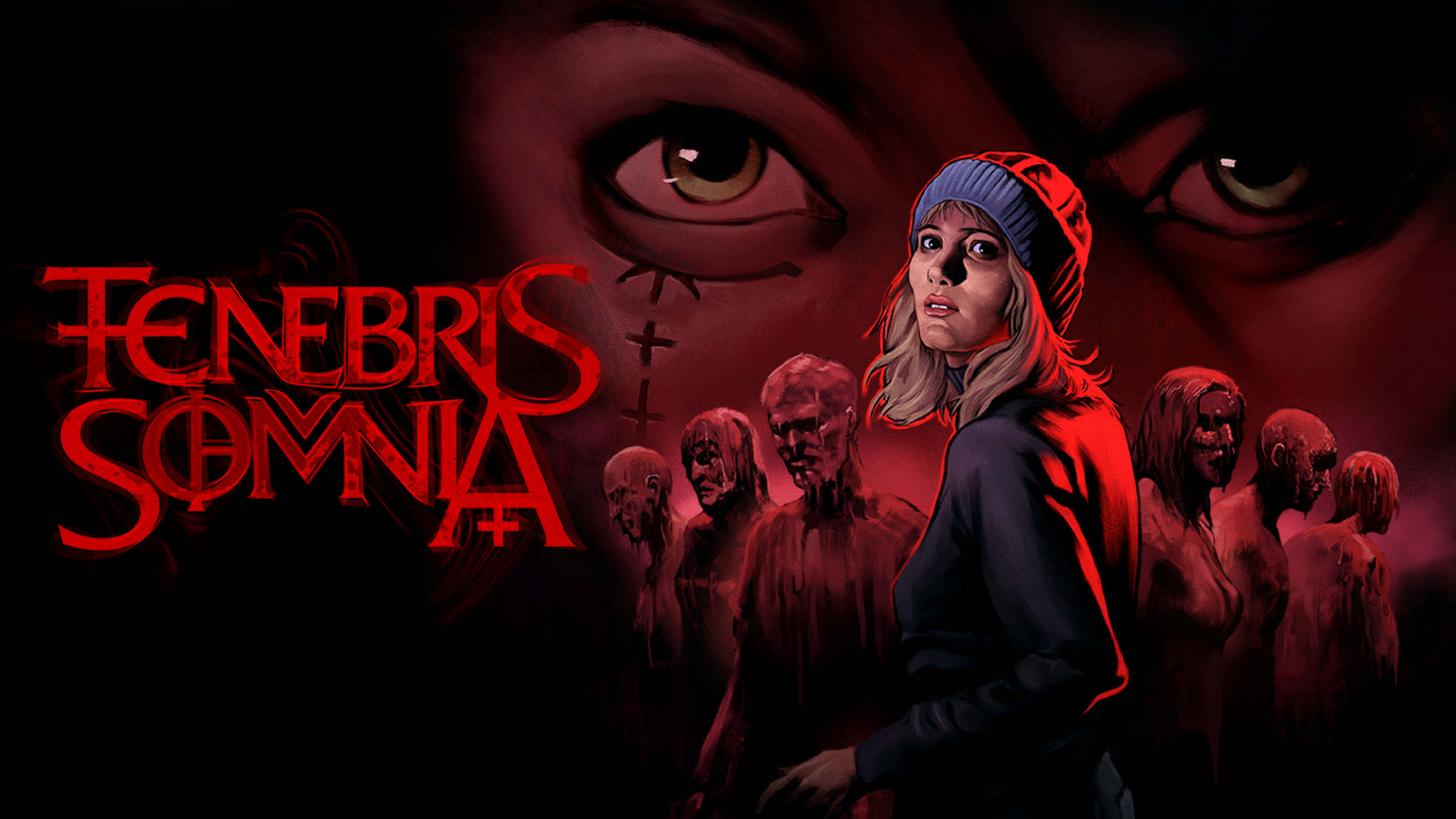
There are ideas that, written in one line, sound like a bad decision. "A 2D retro game that suddenly cuts to a real movie" is one of them, because interactive cinema has a well-deserved reputation for clumsy experiments and cardboard performances. Of course, there are several exceptions, and I liked several of those experiments. Tenebris Somnia arrived on October 16, 2026 with the intention of demonstrating that this combination can work if the person executing it knows what they are doing, and it seems to me that it is very successful in achieving it. Behind is the creative geniusAndres Borghi(I'm a fan, I don't hide it) and the Argentine studio Saibot Studios, with New Blood Interactive as publisher, the same one that was in charge of giving visibility to several of the most celebrated retro terrors of recent years.
A nightmare that begins in an empty apartment
We control Julia, a young Argentine woman who has been tormented for some time by nightmares in which her ex-boyfriend, Iván, appears. Worried, she decides to visit his apartment to check that he is okay, but she can't find him. What he does find are signs of a fight, occult symbols, and something that shouldn't be there. From that moment on, the border between what is real and what is a dream becomes increasingly blurred, and Julia begins to move between recognizable places and others that can only exist in a head that does not rest.
What I like most about the premise is that it doesn't stop at the monster at hand. Julia and Iván are filmmakers who made a short film together before separating, and cinema functions as a background theme that runs through the entire story: creative obsessions, what a couple leaves halfway and what a broken relationship weighs when one of the parties plunges into dark territories. The game focuses on the link between the two, with layers that are revealed at a fairly careful pace, and addresses hard topics, to the point that it is worth keeping in mind that there is sensitive content. There are also several endings, which invites us to return to the adventure, something I celebrate.
Explore, combine and return to the starting point
Playably, Tenebris Somnia relies on a structure reminiscent of the original Resident Evil. There is a central space that you return to again and again, doors that open with specific objects, a map that grows as you get what you need, and resource management designed to make every bullet and every healing item count. Borghi himself has explained that he studied that first Resident Evil to understand how the progression between rooms is chained, and it shows: the game knows when to give you a break and when to close a door in your face.
A detail that seems very well thought out to me is the use of candles. They function as keys between locations, and wax seals appear in key places, such as the door to Ivan's office. It is a small symbolic system that gives its own identity to the journey between worlds without the need to explain it with tutorial screens.
The puzzles deserve a separate mention. They move in that much appreciated middle ground: they don't take you by the hand, but they don't ask you to solve arbitrary puzzles either. You have to pay attention to objects, remember areas already visited and tie together clues that are scattered throughout the environment, and some of these clues or secrets even appear within the filmed scenes, so it is worth paying attention when the game changes format.
The combat is the most discreet part. You have a tube, which hits hard but is slow; a wrench, quick but of little damage; and firearms with limited ammunition. It is a simple system, without dodging, in which many times the smartest thing is to dominate the enemy's pattern and surround him, or directly flee. There are those who find it somewhat crude, and it is true that Julia's movement is slow and that the character occasionally gets caught on something. For me it fits with the idea of fragility that the genre seeks: if Julia felt like a killing machine, the tension would evaporate. The adventure ranges between four and eight hours depending on your pace with the puzzles, a very reasonable duration that prevents the formula from being stretched too thin. And having different endings allows for replayability in a genre where that is rare.

When pixel art gives way to film
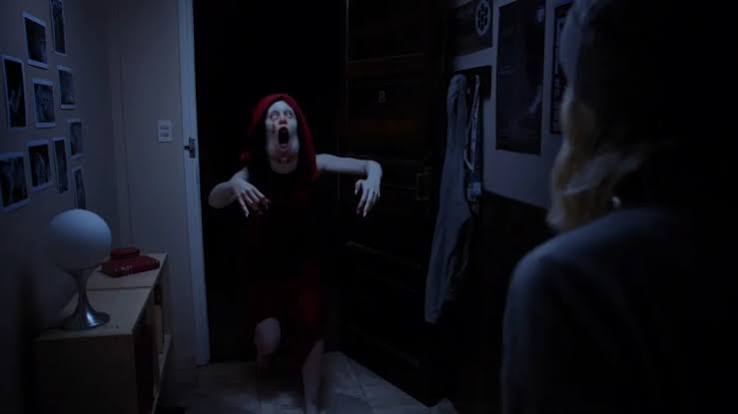
Here is the real appeal of the game. At certain points, the screen abandons the sprites and jumps to cinematics shot with real actors, creature makeup and practical effects. We are not talking about cheap video from another era, but rather sequences produced by a team with experience in horror films, and the difference is immediately noticeable. The transition from pixels to flesh and blood people is abrupt the first few times, but that abruptness is part of the effect, and as the story progresses it ends up feeling like a natural continuation, almost as if the dream seeped into reality.
The cast plays a huge role. Clara Kovacic gives life to Julia with an intensity that carries much of the emotional weight, and at her side are Pedro Merlo as Iván, María Eugenia Rigon, Esteban Prol and Yael Tesouro. There is no dubbing: the dialogues are read in text boxes, and that, far from being annoying, maintains coherence with the retro aesthetic of the set.
The monsters are another strong point. The most emblematic creature, with two faces and a mechanical mouth, was born from a mold of the actress's face, with plasticine, plaster and a scissor mechanism on the back. It was so heavy that it had to be attached with Velcro to the head of the stunt double. The wax figures, made from mannequins covered in plasticine and wax, became too expensive as they multiplied, so the team ended up resorting to cheap waterproofing materials painted red. They are artisanal solutions that are seen on the screen, and that also defend a clear position: Borghi rejects generative AI and is committed to practical and digital effects working together.
References and heritage: from Clock Tower to Silent Hill 2
The game does not hide its influences, and that is part of its charm. In addition to Resident Evil, Julia's sprite draws from Clock Tower, the 1995 Super Famicom classic, whose protagonist was in turn inspired by the image of Jennifer Connelly in Dario Argento's Phenomena. From Silent Hill 2 he took the idea of opening with a strong hook that binds the player from the beginning, and from FAITH: The Unholy Trinity, Airdorf's game, the daring to build his own visual identity based on an aesthetic from the interactive video era of the nineties. Mason Smith, known as Airdorf, came on board as executive producer when the project began to gain exposure.
In the story there are echoes of Clive Barker's Hellraiser, with that pact between desire, obsession and the supernatural, and of Eternal Sunshine of the Spotless Mind in its way of treating the memory of a relationship that refuses to leave. The posters decorating Ivan's office also give clues: Possession, Night of the Living Dead, Persona. That handful of titles is enough to understand what kind of movie buff the character is and where he likes to look at the movie.
An Argentine studio with a film profession
There is context that helps understand why the cutscenes look the way they do. Borghi doesn't just come from the world of video games: he worked on the visual effects of When Evil Lurks, Demián Rugna's film, and brought together local Argentine talent for this project, which gives the game an air of Latin American horror cinema that is very recognizable in its environments, its faces and its texture. That mix of cinematic craft and love for 90s games is, in my opinion, what gives it its own character.
My final reading
Tenebris Somnia is a game with some visible flaws, especially in combat and somewhat slow mobility, and even so I find it difficult not to recommend it. It works because it understands that the mix of formats is not a publicity stunt but a narrative tool: pixel art gives distance and nostalgia, and the film presses just when the story needs to hurt. If you like classic survival horror, horror films and stories of couples who just can't let go, this Argentine nightmare deserves a night with the lights off.
Related Articles