

Table of Contents
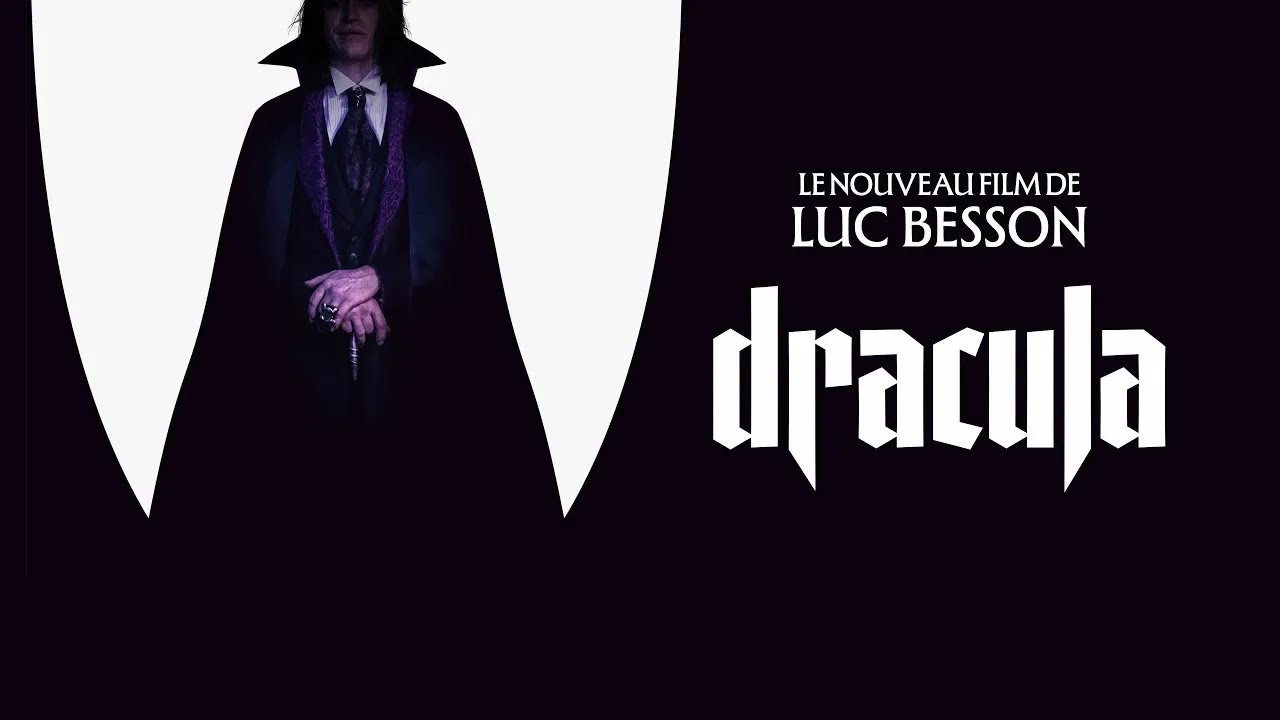
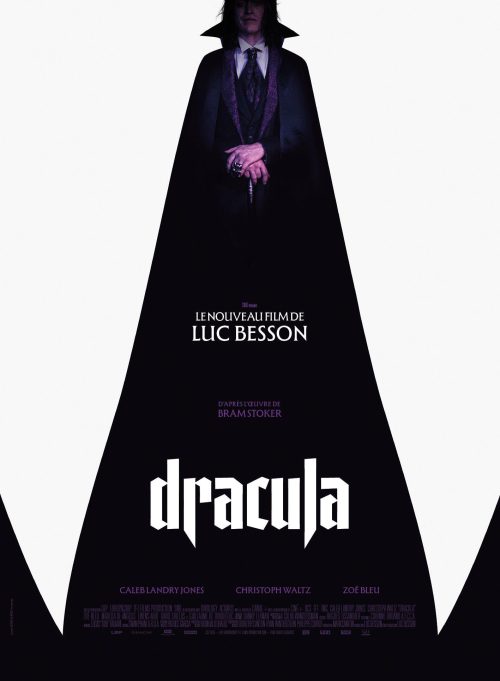
Dracula: A Love Story(Dracula: A Love Tale, 2025) reimagines the myth of the vampire with a romantic and gothic approach, directed by Luc Besson and starring Caleb Landry Jones in the title role. Based on the novelDraculaby Bram Stoker, the film transforms the classic story into a tale of eternal love and immortal isolation, set between the 15th century and 19th century Paris. The film fuses elements of horror, fantasy and romance, exploring forbidden longing and the loneliness of eternity, while maintaining the mysterious spirit of the original. As a free adaptation, it balances the dark atmosphere with spectacular visual touches, offering a fresh perspective on the count that prioritizes human emotion over pure terror.
The Prince and the Tragedy of the 15th Century
The plot begins in the 15th century, in the turbulent lands of Wallachia, where a noble prince leads his troops in a fierce war against Ottoman invaders. This prince, known as Vlad, lives a passionate affair with his wife Elisabeta, a woman of ethereal beauty and strong spirit who represents the center of his world. Their castle, nestled in steep mountains, is a bastion of love and loyalty in the midst of the chaos of war.
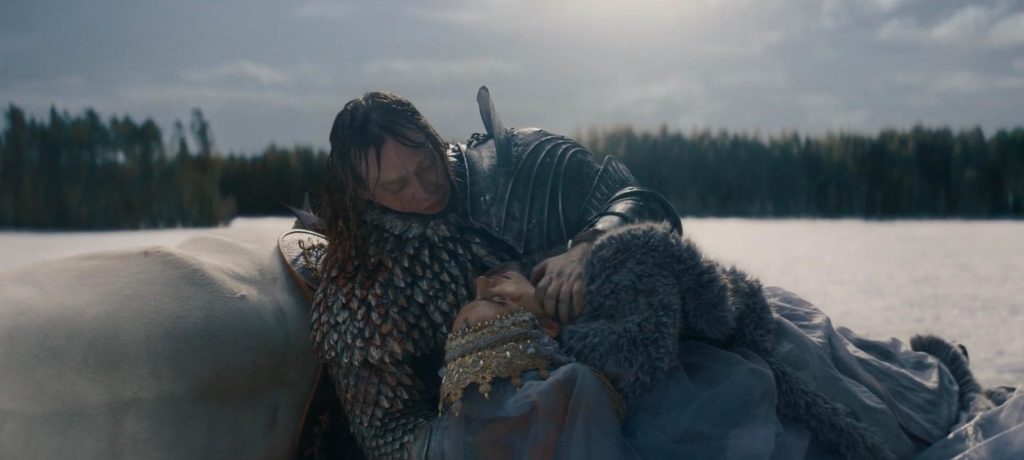
The narrative spends time showing the prince's daily life: horseback riding through dense forests, counsel with allies, and intimate moments with Elisabeta, where they discuss dreams of peace and family. However, war brings betrayal and deception. Fake news reaches the castle, suggesting the prince's death in battle, which plunges Elisabeta into absolute despair. Thus, she falls into a trap and makes an irrevocable decision that destroys the prince when he returns victorious.
The Origin of the Vampire with a Religious Approach
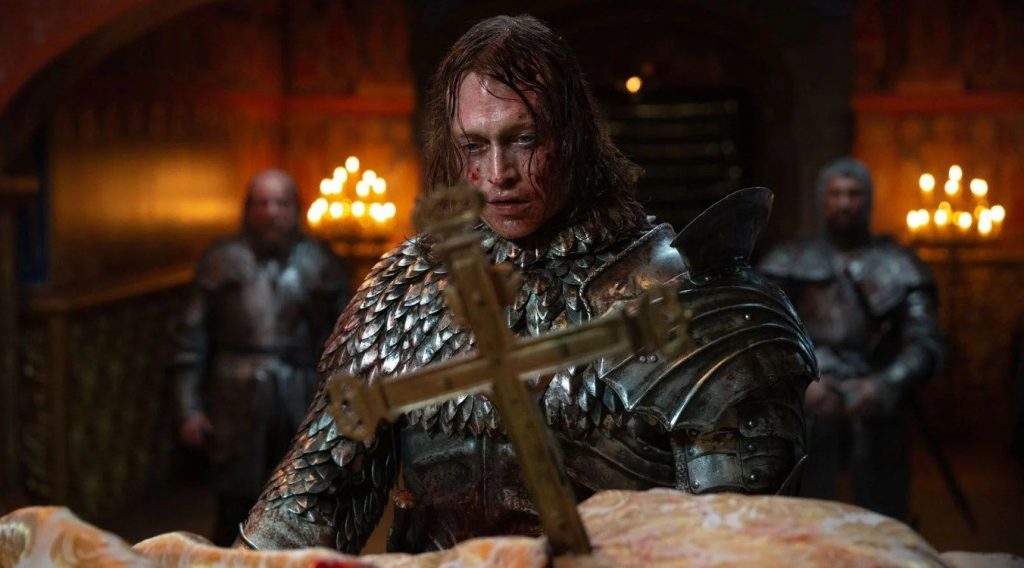
Devastated by the loss, Vlad spirals into rage and grief. In the castle chapel, surrounded by holy relics and flickering candles, he renounces his faith and curses the sky, summoning dark forces that transform him into an immortal entity. This metamorphosis condemns him to an eternal existence, marked by bloodlust and the constant echo of his lost love. The film explores this transition in detail, showing how the prince abandons his humanity, wandering through ruins and nightscapes, while his appearance is subtly altered to reflect his new cursed nature.
The centuries pass in a montage of loneliness: Vlad travels through Europe, witnessing wars, plagues and social changes, always alone, with memories of Elisabeta as his only consolation. His castle becomes a prison of memories, full of portraits and objects that evoke his past life.
Four hundred years later, real estate agent Jonathan Harker arrives at the Count's castle, where he was summoned to agree on the sale of some land. There, and after certain somewhat disturbing situations, Harker disobeys the instructions not to leave his room and ends up in big trouble: Dracula attacks him and, since he discovered what he is, he decides to kill him. In his last words, Harker expresses his last wish to hear the story of Dracula. The Count agrees and it is through this story that we learn everything mentioned in the first part.
This situation of Dracula telling his story, and with Harker about to be killed, ends up changing course abruptly when Harker shows the count a photo of his fiancée, Mina. How great is the surprise for Dracula when he sees that Mina is equal to Elisabeta!
The Meeting in 19th Century Paris
The story jumps to 19th century Paris, a vibrant city of light and shadow, with its lively boulevards, theaters and cultural halls contrasting with industrial opulence and cobblestone streets shrouded in fog. Vlad, now the enigmatic Count Dracula, arrives in this French metropolis, settling into an opulent residence that reflects his eternal status.
Here, Dracula encounters Mina, whose physical and spiritual resemblance to his deceased wife Elisabeta shakes him to the core, awakening an intense obsession that forces him to confront his immortal curse. This woman, immersed in the artistic and social circles of Paris, crosses paths with the count at an evening event, a cultural evening or a salon at the Palais-Royal, where their gazes meet between chandeliers and sophisticated conversations.
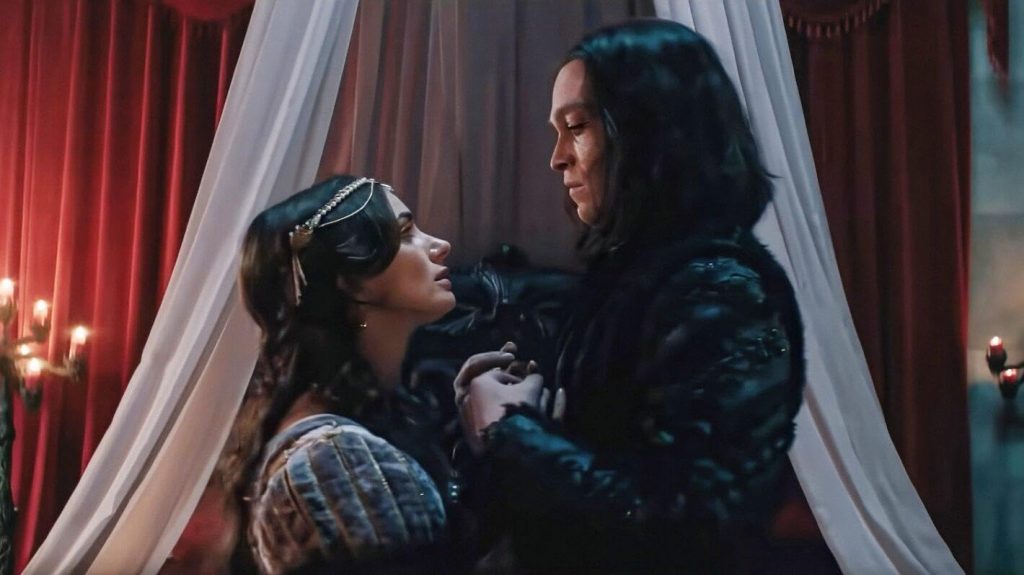
The narrative expands on this blossoming bond: conversations about literature, philosophy, and the mysteries of life, where Dracula reveals fragments of his vast ancestral knowledge disguised as anecdotes of distant travels. The woman, intrigued by the count's enigmatic and melancholic aura, is drawn to his emotional depth and wisdom that transcends the era, responding with a curiosity that evolves into a genuine connection. Dracula, for his part, sees in her not only an echo of Elisabeta, but an opportunity to revive long-buried emotions.
This central phase of the film builds the romantic tension in detail, intertwining the medieval past with the Parisian present through flashbacks and visions that link the two eras. Dracula navigates the vibrant cultural life of Paris, attending operas at the Palais Garnier, exhibitions at the Louvre, and gatherings at literary salons, always maintaining his aristocratic façade as his obsession grows.
From Stoker's Novel to Besson's Vision
Luc Besson transforms Stoker's premise into a cinematic experience that balances graphic horror with moments of emotional connection. The vampire is not just a predator, but a soul tormented by lost love, making the tale feel intimate. Caleb Landry Jones captures this vulnerability, while Zoë Bleu brings depth to her counterpart.
Adapting the 1897 novel, the film remains faithful to key elements such as the count's origins and his fascination with a mortal woman, but introduces differences that enrich the romance. Stoker's book is an epistolary of Victorian horror with an emphasis on supernatural evil and the vampire hunt, while this version condenses the plot to focus on temporal duality and love as a redeeming force.
Besson expands on the medieval background, adding emotional depth to the prince, which is not detailed as much in the novel. These variations make the film feel like a poetic extension of the original, maintaining its gothic atmosphere while leveraging cinema for visual spectacularity. Ultimately, the adaptation adds a layer of visual intimacy that resonates with modern audiences. And I don't want to fail to mention it: the gargoyles! If you see the movie you will understand why I mention them.
Curiosities aboutDracula: A Love Tale
- Historian Martin Mares served as production consultant, having previously worked onThe Last Voyage of the Demeter(2023), making him an expert on multiple Dracula adaptations.
- This is the fourth live-action adaptation of Bram Stoker's novel in the 2020s, followingThe Last Voyage of the Demeter(2023),Renfield(2023) andNosferatu(2024).
- The film begins in 1480, where Dracula refers to himself as Vlad II Dracul, who historically was the father of Vlad III the Impaler and died in 1447, 33 years earlier.
If you have seenDracula: A Love TaleWhat did you think? Share in the comments!
Related Articles
![[HorrorScience] Obsession: turning the classic "be careful what you wish for" into a nightmare](https://combogamer.com/wp-content/uploads/2026/07/obsession-poster-300x169.jpg)
![[HorrorScience] Backrooms: the A24 film that turned an internet creepypasta into a horror phenomenon](https://combogamer.com/wp-content/uploads/2026/07/backrooms-poster-300x169.jpg)
![[HorrorScience] Victor Crowley (Hatchet IV): The fourth installment that arrived without warning](https://combogamer.com/wp-content/uploads/2026/06/victor_crowley-poster-300x169.jpg)
![[HorrorScience] Number 23 (2007)](https://combogamer.com/wp-content/uploads/2026/05/El-numero-23-banner-largo-300x169.jpg)
![[HorrorScience] Hokum: When a bitter writer meets an Irish witch](https://combogamer.com/wp-content/uploads/2026/06/hokum-poster-300x169.jpg)
![[HorrorScience] The man who could cheat death](https://combogamer.com/wp-content/uploads/2026/04/The-man-cheated-death-banner-300x165.png)