

Table of Contents
- A moving story from a feline perspective
- Fun gameplay with some technical issues
- Sound atmosphere and outstanding voice performances
- Artistic direction that amplifies emotions
- A promising debut with some imperfections
- Technical aspects that could be improved
- An imperfect but emotional experience
- Final thoughts
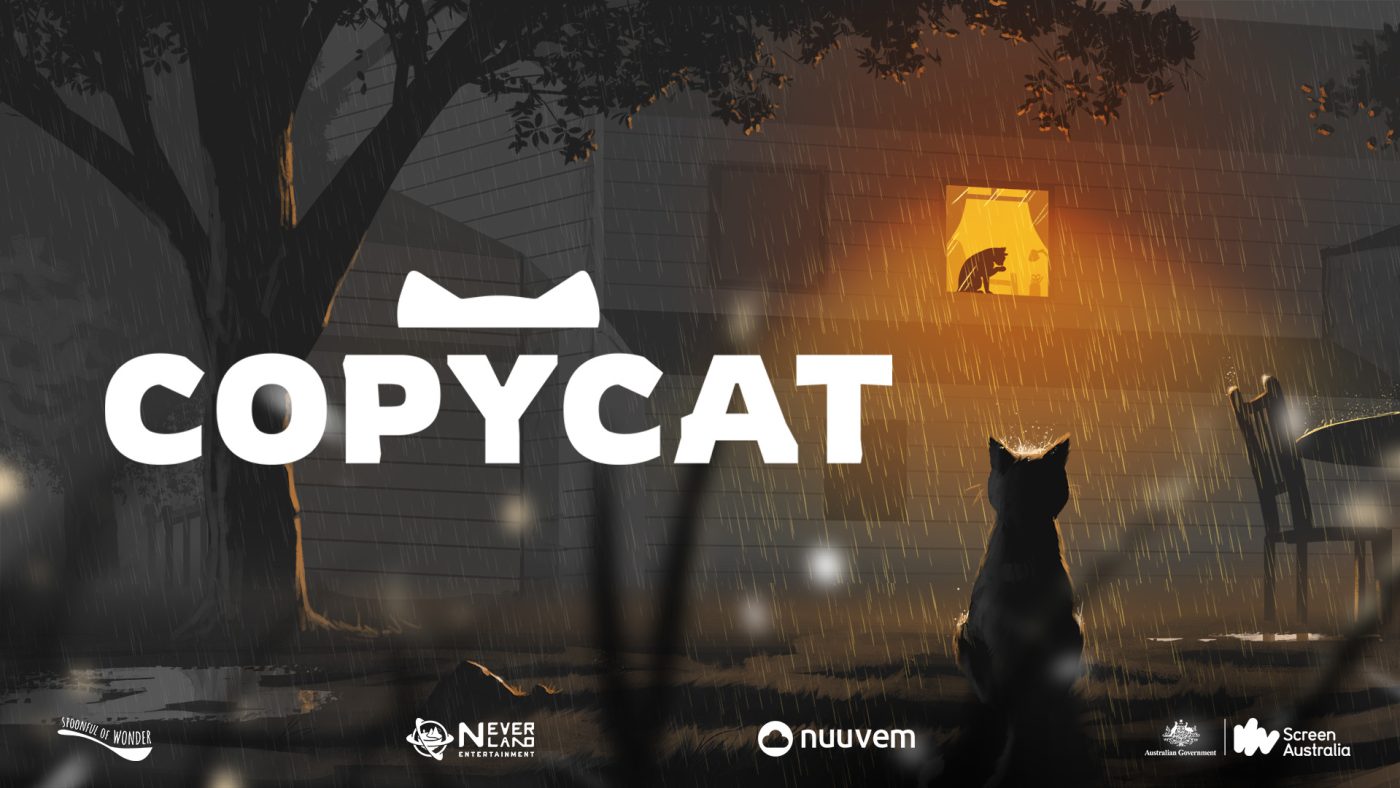
Copycat is Australian independent studio Spoonful of Wonder's debut on the video game scene. This narrative adventure is a love letter to pet lovers, exploring the relationships between pet and owner, mother and daughter, and with oneself. The game puts us in the shoes of Dawn, a reserved cat from a shelter, who is adopted by Olive, an expressive old woman.
A moving story from a feline perspective
The plot of Copycat is emotionally charged, focusing on themes such as loneliness, belonging and emotional bonds. Dawn, the protagonist, is a skeptical cat with a traumatic past. When Olive, an older woman who recently lost her own cat, adopts Dawn, she is determined to escape the house and explore the outside world.
Dawn is stubborn, distrustful and independent, planning her escape from day one. Olive's overwhelming affection and desire to bond create tension between the two at first. However, Olive's persistence eventually begins to break down Dawn's defenses.
Just as Dawn and Olive's relationship is going strong, Olive's daughter kicks Dawn out of the house. Trying to return, Dawn discovers that Olive's previous cat has returned and taken her place. From there, the story becomes an emotional tale about family, forgiveness and connection, as Dawn faces her inner demons and must decide whether to fight for her place in Olive's home.
![[Analysis] Copycat: An emotional feline adventure full of challenges](https://combogamer.com/wp-content/uploads/2024/09/Copycat_Screenshot_4k_19-1024x576.jpg)
Fun gameplay with some technical issues
Copycat's gameplay is very entertaining, combining mini-games, a sandbox-type environment inside the house, and quick-time events (or better known asquick time events-QTE-). I never felt bored during the game, always busy with everyday activities like playing with a feather toy or tearing up toilet paper. These small activities include rapid button pressing or reaction games, making the most fun aspects of cat ownership interactive.
There are two main types of sections that deviate from typical walking simulator gameplay: an endless running minigame and a boss fight involving quick-time event combos. The endless running section occurs twice, notably when Dawn runs away from an angry dog. The boss fight isn't life or death, but there are situational aspects that make you want to press those buttons correctly.
However, while the inclusion of minigames really elevated the gameplay experience, the overall game tends to be more unstable than stable. During my playthrough, I encountered several technical errors. At one point, I went through a door that I shouldn't have been able to go through and I was left in "limbo." In video game jargon, limbo is an incomplete area of the game world, where you are left "floating" or where you walk in the void, outside the map. Nothing happens, you restart and that's it. But according to other players' experiences, the most serious technical problem that has occurred is that you can lose your saved game depending on what error you have, so you will have to wait a bit for new updates that correct this if you do not want to play at risk of losing your progress.
Sound atmosphere and outstanding voice performances
Copycat's soundtrack achieves its greatest impact in the subtle moments, choosing to underline the everyday rather than sensationalize the unusual. There is no grandiose score present throughout the game, but rather a calm melody that reflects the themes being addressed at different points in the narrative. The music amplifies some of the more emotional moments, but it doesn't feel forced or separate from the experience as a whole.
The sound design is charming, with common noises ranging from meows and purrs to the sound of claws catching on fabric. Every little audible moment in this game feels authentic and representative of what most cat owners hear on a daily basis.
Artistic direction that amplifies emotions
Copycat's artistic direction manages to amplify the emotion already present at the heart of the narrative. The environment around Dawn is warm and welcoming in the first half of the game, lifting the player's spirits and setting the stage for some enjoyable moments with Olive. Olive's house feels natural and lived-in, with a TV perpetually on, utensils in the kitchen, various decorations on the tables, and handwritten cards on display.
In contrast, the second half of the game uses cold tones and darkness to simulate the doubt that begins to take root in Dawn's mind. Shadows always seem to be close, while the streets full of garbage provoke a feeling of unease and worry. Between the detailed writing, emotional score, and multifaceted art, Copycat manages to immerse the player in Dawn's mind at every moment.
![[Analysis] Copycat: An emotional feline adventure full of challenges](https://combogamer.com/wp-content/uploads/2024/09/Copycat_Screenshot_4k_12-1024x576.jpg)
A promising debut with some imperfections
Copycat is a commendable debut from the small team at Spoonful of Wonder. The game manages to poignantly convey the emotional complexities of forming bonds, from both human and animal perspectives. However, it is not without problems.
The initial premise of the game on Steam does not exactly match the actual plot, which can lead to wrong expectations in players. There is no elaborate plan or jealous stray cat usurping the protagonist's place, as the description suggests. Instead, we get a more meditative experience about the relationship between pets and owners, told from the animal's point of view.
The first part of the game, where we explore Olive's house as Dawn trying to adjust to our new home, is possibly the most fun. We can roam freely, knock down objects, steal food, and gradually open up to our new owner. The contrast between the "wild" Dawn of African dreams and the clumsy domestic kitten who can barely catch a butterfly is entertaining.
However, the plot takes dramatic turns that can feel somewhat forced. The decisions of some characters, especially Olive's daughter, feel overwrought and unnuanced. This causes the story to lose some of its more delicate nuances in favor of a more black and white approach.
Despite these criticisms, the game has valuable messages about belonging and unconditional love. The gameplay, although simple, manages to capture the feline essence in many moments. The African-inspired levels are visually stunning, with vibrant colors and a charming design of Dawn and the rabbits she chases.
![[Analysis] Copycat: An emotional feline adventure full of challenges](https://combogamer.com/wp-content/uploads/2024/09/Copycat_Screenshot_4k_22-1024x576.jpg)
Technical aspects that could be improved
On the technical side, Copycat shows some limitations typical of a small studio in its first project. The human character models contrast negatively with the more careful design of the cats and the environment. Their moves look strange and their models aren't up to par with the rest of the game.
The soundtrack can be somewhat repetitive throughout the approximately three hours that the adventure lasts. You mainly hear variations of two pieces of music: a melancholic piano motif and the more upbeat African music of the hunting/dream sequences.
The dubbing, on the other hand, is a strong point of the game. The voices of Olive and her daughter are well performed, but it is the voice of the nature expert/narrator that really stands out, giving the game a documentary tone.
An imperfect but emotional experience
Copycat doesn't reach the level of polish and complexity of games likeStray, but it would be unfair to compare them directly given the size and budget of their respective studios. Instead, we should value Copycat as a promising debut from a small team that manages to tell a moving story about belonging, loss, and, above all, love.
The game has its imperfections, but also notable successes in its narrative, artistic direction, and representation of feline behavior. For cat lovers and those who enjoy slower, more emotional narrative experiences, Copycat offers a unique adventure worth exploring.
![[Analysis] Copycat: An emotional feline adventure full of challenges](https://combogamer.com/wp-content/uploads/2024/09/Copycat_Screenshot_4k_15-1024x576.jpg)
Final thoughts
Copycat joins the short list of games starring cats, a niche that deserves more attention in the industry. As a cat owner (I have 7!), I can attest to the deep connection you form with these animals and how devastating it can be to lose them. The game manages to capture that special relationship between humans and felines, although sometimes imperfectly.
The premise of replacing a lost cat with an identical one from the shelter raises interesting ethical and emotional dilemmas. Can one animal really replace another? How does this affect the bond between pet and owner? Copycat explores these questions through the relationship between Dawn and Olive, offering moments both tender and heartbreaking.
The game especially shines in its depiction of the daily activities of a domestic cat. Running, jumping, knocking over objects, and searching for food feel authentic and fun. The ground animations capture the feline movement well, although the jumps are somewhat floating and lacking weight.
The story of Copycat aspires to strike deep emotional chords, and in many ways it succeeds. However, some plot twists may feel forced or unbelievable. The appearance of Olive's daughter as a sort of one-dimensional villain and certain character decisions towards the end of the game can take the player out of the emotional immersion that the game seeks to create.
Despite these narrative stumbles, it is undeniable that Copycat manages to tell a reflective story about loneliness and the sense of belonging. The game keeps the player engrossed during its approximately three hours of duration, offering a unique experience from a feline perspective.
In short, Copycat is a brave and emotional debut from Spoonful of Wonder. Although it does not achieve excellence in all its aspects, it manages to offer a good adventure that will resonate especially with cat lovers.
Related Articles
![[Analysis] Celestial Return: Losing the dice is also losing the game](https://combogamer.com/wp-content/uploads/2026/07/celestialreturn_keyart-300x182.jpg)
![[Analysis] Mixtape: the narrative adventure that turns a 90s mixtape into an unforgettable video game](https://combogamer.com/wp-content/uploads/2026/07/mixtape-poster-300x160.png)
![[Analysis] Scholar Adventure: Mystery of Silence — A Journey to an Abbey that Whispers Secrets](https://combogamer.com/wp-content/uploads/2026/06/Scholar-Adventure-Mystery-of-Silence_poster-300x169.png)
![[Analysis] OUTBLAST — When 2000s Arcade Puts on the VR Goggles (and Still Unimpressed)](https://combogamer.com/wp-content/uploads/2026/06/OUTBLAST-poster-300x172.jpg)
![[Analysis] NODE: The Last Favor of the Antarii — Program Every Leap to Save the World](https://combogamer.com/wp-content/uploads/2026/06/NODE-poster-300x169.jpeg)
![[Analysis] Echo Generation 2 — When a Sequel Risks Everything](https://combogamer.com/wp-content/uploads/2026/06/Echo-Generation-2-poster-300x169.jpg)