


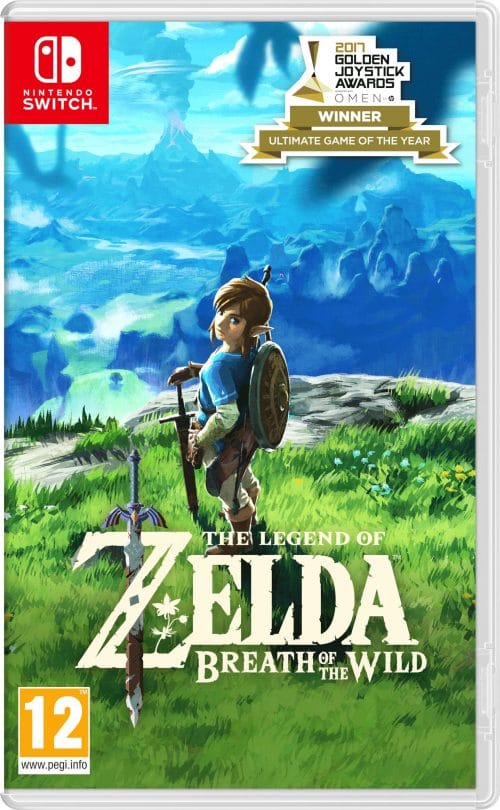
Lately it has become customary to launch Zeldasstraddling two generations, due to a combination between the long duration of the development of a title (a sign of the care that the company gives to that franchise) and the proximity of the end of the useful life of the console, even more so if they have not had the success expected by the company. We saw it with twilight princess, which although it was developed for the GameCube (and also saw the light of day on that console), it was on the Wii where it had the greatest relevance. For the current hybrid generation of Nintendo, we witnessed it again with Breath of the Wild. Although this title was simmering in the ephemeral and insubstantial era of WiiU (which, furthermore, did not even have an exclusive Zelda), the version for said console was eclipsed by its Switch counterpart, the brand new Nintendo console that, despite its technical limitations, is having a not inconsiderable useful life and a portentous catalog that spans several generations. Both consoles, therefore, shared the game with their successors, providing succulent output options for the latter.
Without a doubt, even then the Switch catalog promised such a colossus, but when I got the console it was not my first choice. In reality, it wasn't the second, nor the third nor the fourth, and I could continue counting until I ran out of fingers on my hand. I couldn't say the reason, because when I visited some old acquaintances of this website I was able to briefly witness some of its virtues. Perhaps its exorbitant price had an influence. When I finally got it second-hand, it still cost a respectable figure of more than 55 euros (get an idea of what it cost before). In this article we will see if it was worth it.
From the outset, It seems that the developers wanted to make it clear to us from the beginning that we are facing a Zelda different, through certain small details of the title screen. Until then, Nintendo had us accustomed to it being accompanied by a more or less recurring main melody, followed by a loading screen with the theme of the Fairy fountain. On the contrary, the Breath of the Wild home screen is associated with the most absolute silence, which is only broken by selecting the option to start or resume the game, followed by a sober sound effect. Furthermore, when we return later we will be able to see that the traditional saving system in specific files and of a very military quantity has been replaced by several successions of automatic saves (although we can save almost at any time, with some exceptions), thus following the example of so many other games of the genre. Yes, there is no doubt that the message it wants to convey to us is quite clear: this is not an ordinary Zelda.
![[Playing…] The Legend of Zelda: Breath of the Wild](https://combogamer.com/wp-content/uploads/2024/09/the_legend_of_zelda_breath_of_the_wild_botw_01-1024x576.jpg)
In some ways, this fact is surprising when we take into account the relatively continuous character of the graphics. With twilight princess A realistic option seemed to gain strength, despite the drawing style with impressionistic overtones of Skyward Sword, since that seemed to indicate the famous hyperrealistic WiiU demo, with a universe style twilight princess in HD. That is why at the time it was surprising that Breath of the Wildcontinued to a certain extent with the emulation of the drawings already seen in its immediate predecessor, although with a little more realism as it was stripped of those impressionist touches. But that would be the only thing that would bring it any closer to what we saw in that title, since in everything else it is its most radical antithesis. Specifically, its vast open world is where the starkest contrast lies. I never liked Skyward Sword, and it was precisely that lack of an open world to explore. It was impossible to disconnect between one dungeon and another when those intermediate spaces were actually a kind of smaller-scale dungeons, making it necessary to solve some puzzle to advance minimally. To tell the truth, it made me feel very claustrophobic. In those moments, I longed to be able to wander a little through the great meadow of Hyrule, which once fascinated so many of us. Well, it seems that Aonuma's team had not only taken literally the criticism that some fans made at the time, but also decided shatter all our expectations by creating a style of play that is the opposite of the previous ones (and especially from SW), which clearly drew from adventure, role-playing and action titles of the style of Skyrim.
This characteristic of the game is something that is made clear to you from the beginning, as soon as Link, recently awakened from his centuries-old slumber, has come out of hiding to come face to face with the vastness of Hyrule, with a spectacular panorama as a presentation letter of the title. That feeling of spaciousness only corroborates itself very shortly afterwards. Even when we still have to follow a more marked itinerary, going from point A to point B, it is easy to fall into the temptation of deviating from the path, since it is quite evident that here the programmers have not drawn up a specific route to follow. His huge mapped includes fifteen regions that will only be visible on the map if we unlock its corresponding tower, something that can entail a certain complication, since they will often be escorted by enemies, or obstacles of different types. Some areas that include jungles, lakes, forests, mountains of infernal heat (the classic Death Mountain) or polar cold, beaches, cliffs, deserts, etc. The implications of this dynamic, which is still the soul of the game, are many. And it is that there is no shortage of incentives to explore it, being able to say that in a certain way it “forces” us to do so. Everything, absolutely every characteristic of the game converges with this capital piece, whether it is the need to locate the location of the different sanctuaries, the aforementioned towers to be able to better orient ourselves on the terrain (both elements will serve to transport us, by the way, something very useful in such a vast world), the memories scattered as part of the main mission or the most basic resources for our survival.
![[Playing…] The Legend of Zelda: Breath of the Wild](https://combogamer.com/wp-content/uploads/2024/09/the_legend_of_zelda_breath_of_the_wild_botw_02-1024x576.jpg)
I will dedicate a space to each of these issues, but for now I am going to emphasize that it is not a simple empty world, but that it is brimming with life. Being very sparsely populated, and with ruins everywhere for reasons that we will also see later, They dominate wild environments with countless flora to collect and wild fauna to hunt. There will also be from time to time a post where we can stop and trade, or where we can keep or register the wild horse that we have found on our way. Likewise, there will be no shortage of monsters to make things a little more difficult for us, including creatures of large size and resistance similar to bosses.
So, we see that it is an environment full of resources, but why do we need them? Well, for a multitude of purposes, since here aid does not come to us as if from the sky, as was the case in the rest of the titles. In fact, if we want to have any future in these inhospitable places we must radically change our mentality. That is to say, we can forget about collecting rupees that sprout from the cut grass (when breaking vases we may find some, but it is not so common). At most, we will get insects or lizards, if we are fast enough to capture them. That is, to earn rupees you will have to resort to the technique most in line with other titles, such as complete some side quests or, above all, sell those objects that we do not need. The same can be said of the hearts we obtained from defeated enemies. On this occasion we will get certain parts of the monsters, which will be used, along with the aforementioned insects or lizards, to make elixirs. If we want to recover the lost life, we will have to combine different plants, fruits, mushrooms, animal or bird meat, and/or fish and cook them. For this we need one of the cazuelas que hay distribuidas a lo largo del mapeado, normalmente en poblados o campamentos de monstruos.
![[Playing…] The Legend of Zelda: Breath of the Wild](https://combogamer.com/wp-content/uploads/2024/09/the_legend_of_zelda_breath_of_the_wild_botw_03-1024x576.jpg)
Estos recursos también serán necesario para hacer frente a las inclemencias de un mundo climáticamente muy activo. Los ingredientes de determinados elixires o platos culinarios nos protegerán temporalmente del calor o del frío, además de otorgarnos defensa o ataque adicional o recuperar parte de nuestra resistencia perdida al correr (elemento heredado de Syward Sword) o trepar, pues aquí las montañas y acantilados no son un obstáculo infranqueable. Pero eso por sí sólo no será suficiente. O, en el mejor de los casos, pueden ser un engorro si se depende exclusivamente en ellos. Y ahí entra en escena la equipación: vestimenta superior e inferior y gorro. Además de los consabidos atributos en defensa, propios de otros juegos (aunque no habituales en esta saga), pueden otorgar protección al calor o al frío, o permitir trepar más rápido o mejorar en cualidades nadadoras. Algunos de ellos los obtendremos como regalo, pero la mayor parte de las veces habrá que pasar por caja en la tienda de armaduras. Si logramos conjuntar por completo con la indumentaria de un mismo tipo obtendremos beneficios adicionales. Por si no fuera suficiente, si queremos mejorarla, tendremos que encontrar la correspondiente fuerte del Hada, a cambio de algunos materiales que pueden llegar a ser complicados de conseguir.
En cuanto a las armas, éstas se dividen en armamento cuerpo a cuerpo (para lo cual valen hasta utensilios pensados para otras cosas, como hachas de leñador, mazos para extraer minerales, antorchas y hasta simples ramas), escudos y arcos. Todos ellos podremos obtenerlos de enemigos abatidos o cofres. Pero en Breath of the Wild son un quebradero de cabeza, ya que hasta las más resistentes terminan rompiéndose, por lo que siempre tendremos que llevar alguna de repuesto. Además, el entorno activo puede jugarnos una mala pasada en esto. Por ejemplo, las armas de hierro atraen relámpagos durante las tormentas, y las de madera arden en entornos abrasadores. Y, nuevamente, si queremos tener espacio extra en la alforja para más armas habrá que patear el mapa: buscar semillas Kolog escondidas (muchas veces bajo piedras).
![[Playing…] The Legend of Zelda: Breath of the Wild](https://combogamer.com/wp-content/uploads/2024/09/the_legend_of_zelda_breath_of_the_wild_botw_04-1024x576.jpg)
Por suerte, no todas nuestras armas y herramientas son tan efímeras. Tenemos a nuestra disposición una con la que podemos contar en todo momento: la Piedra Sheikah. Ésta tiene forma de Tablet, y ahí es donde más se nota cómo este título originalmente estaba concebido para WiiU y el aprovechamiento de las funciones de su mando-pantalla. Con ella miraremos el mapa, marcaremos aquellos puntos que encontremos de interés para así orientarnos mejor, tomaremos fotos, pero, sobre todo, accederemos a una serie de funcionalidades que expanden enormemente la experiencia de juego. Con ella usaremos una versión modificada de las clásicas bombas, que además de poder elegir su forma (esférica o cuadrada), las detonaremos a voluntad. Más novedosas aún son sus propiedades magnéticas (para mover grandes objetos metálicos), paralizantes (que permite propulsar un objeto golpeándolo unas cuantas veces antes de que termine el efecto paralizador) o congeladoras (haciendo brotar del agua cubos de hielo). Dichas propiedades pueden ser mejoradas en el laboratorio de Hatelia a cambio de materiales de antiguos artefactos sheikah.
En campo abierto, se abren muchas posibilidades. El témpano nos permite crear plataformas de hielo sobre las que ir trepando, lo cual es especialmente útil en cataratas. Con el imán podremos aplastar a los enemigosbajo grandes bloques o losas metálicas (o golpearlos con ellos). El paralizador tiene un efecto inmediato en combate, petrificar brevemente a los enemigos y golpearlos a placer (si se tiene la mencionada mejora), pero también hacer que estos objetos salgan disparados. Los más hábiles e imaginativos pueden hacer verdaderas virguerías, como usarlos como medio de transporte.
![[Playing…] The Legend of Zelda: Breath of the Wild](https://combogamer.com/wp-content/uploads/2024/09/the_legend_of_zelda_breath_of_the_wild_botw_05-1024x576.jpg)
Con todo, si bien éstas pueden ser de utilidad en esos parajes, es en los santuarios donde cobran una importancia capital. Y aquí enlazo con otra de las novedades más notables del juego, que es el nuevo formato de las mazmorras. Los santuarios vendrían a ser, en gran medida, los sustitutos de dichas clásicas mazmorras de gran envergadura. Debido a que en este caso es el mundo abierto el que juega un papel protagónico, en su lugar tenemos una versión en miniatura de las mismas, y en gran cantidad (120, de modo que una vez más debemos esmerarnos en explorar cada palmo de éste), las cuales no suelen llevar mucho tiempo en ser completadas, y que requieren del uso de uno o varios de los poderes de la Piedra. Al final nos aguarda un monje momificado que nos entregará un Símbolo de Valía, canjeables por más corazones o resistencia si ofrendamos cuatro de ellos a la estatua de la diosa, de ahí la importancia de completar al menos una parte. En ocasiones sólo podremos acceder a un santuario completando una misión heroica (frecuentemente accederemos directamente al monje), en cuyo caso, además del Símbolo, obtendremos algún objeto raro.
The Bestias Divinas, por su parte, se aproximan más a las mazmorras tradicionales. Aunque son más reducidas, superan en tamaño a los santuarios, y compensan su relativa escasez de envergadura con la capacidad de mover sus compartimentos corporales (son una especie de robots huecos de estilo steampunk) para abrir nuevos caminos, aumentando considerablemente las posibilidades. Sólo hay cuatro, con su jefe final correspondiente y con la posibilidad de completarlas en el orden que queramos.
![[Playing…] The Legend of Zelda: Breath of the Wild](https://combogamer.com/wp-content/uploads/2024/09/the_legend_of_zelda_breath_of_the_wild_botw_06-1024x576.jpg)
Una vez superadas, obtendremos otra clase de poderes. Son los que nos confieren los espíritus de los Elegidos, bravos y poderosos guerreros que, hace cien años, combatieron codo con codo junto a Link para detener a Ganon antes de caer en combate, una vez que sus respectivas Bestias Divinas sucumbieron al control del demonio. Se tratan de la Plegaria de Mipha (revive a Link si cae en combate, añadiéndole algunos corazones extra de forma temporal), Escudo de Daruk (repele un ataque hasta tres veces, antes de tener que recargar varios minutos), Furia de Revali (crea corrientes ascendentes de aire, también hasta tres veces, para elevar a Link y planear con su paravela –objeto que no he mencionado, pero es muy útil para desplazarse largas distancias planeando a cierta altura–) e Ira de Urbosa (electrocuta a los enemigos cercanos hasta en tres ocasiones antes de recargar). En mi opinión, y pese a su utilidad, esto hace que el juego esté “roto” en determinados momentos, como cuando tomé atajos en el castillo valiéndome de ellos.
Por último, cabe destacar lo sui generis del ritmo narrativo de su historia. Lo considero una especie de “juego zen”. Debemos tomarnos nuestro tiempo para cualquier cosa, ya sea trepar por un acantilado o recolectar ingredientes para un plato, para lo cual ayuda lo minimalista y ambiental de su banda sonora. Y esto incluye su historia. Comenzamos sin saber ni quiénes somos ni qué hacemos allí, con rastros de destrucción por doquier y ruinas de una civilización avanzada aún “vivas” (en el caso de los terribles Guardianes, literalmente), pero sólo podremos conocer retazos de la historia recuperando recuerdos aquí y allá, en el orden y al ritmo que queramos. El broche es disfrutar por primera vez de cinemáticas con voces en castellano (y Link mudo, como siempre).
![[Playing…] The Legend of Zelda: Breath of the Wild](https://combogamer.com/wp-content/uploads/2024/09/the_legend_of_zelda_breath_of_the_wild_botw_07-1024x576.jpg)
The Legend of Zelda: Breath of The Wild supone un giro de 180 grados a lo que conocíamos sobre la franquicia. Las mazmorras ceden protagonismo a un vastísimo mundo abierto donde hay mucho que hacer. En este “juego zen”, podemos concentrarnos en cualquier detalle, desde acechar animales salvajes para cazarlos y preparar un sabroso guiso con el que recuperar corazones a trepar parsimoniosamente una alta montaña ataviados con un abrigo bien forrado que nos proteja del frío, o bien cabalgar a lomos de nuestro último caballo domado o planear a placer con nuestra paravela, siempre con esa musiquilla minimalista y ambiental de fondo. Por poder, hasta podemos completar las mazmorras en miniatura llamadas santuarios en el orden que queramos, o incluso hacer lo propio con las principales, las Bestias Divinas. Otro tanto ocurre con el desarrollo de una trama muy bien medida. Sólo recolectando recuerdos aquí y allá sabremos quiénes somos y cuál era nuestra relación con los diferentes personajes.
El cambio ha llegado incluso al sistema de combate. Las espadas, escudos y arcos irrompibles dan paso a otros quebradizos que deben reemplazarse continuamente, añadiendo un interesante componente de supervivencia. Las funcionalidades de la piedra Sheikah, por su parte, les otorgan un nuevo enfoque de estrategia y profundidad a los combates, si bien mi mente cuadriculada no lo pudo asimilar hasta bastante tarde.
En definitiva, estamos ante un juego profundísimo que dura tanto como terreno queramos explorar y misiones completar. Lástima que en algunos aspectos me parezca algo roto, sobre todo en relación con los poderes de los Elegidos, sin olvidar la sangrante sencillez del jefe final.
![[Playing…] The Legend of Zelda: Breath of the Wild](https://combogamer.com/wp-content/uploads/2024/09/the_legend_of_zelda_breath_of_the_wild_botw_08-1024x576.jpg)
Related Articles
![[Analysis] Scholar Adventure: Mystery of Silence — A Journey to an Abbey that Whispers Secrets](https://combogamer.com/wp-content/uploads/2026/06/Scholar-Adventure-Mystery-of-Silence_poster-300x169.png)
![[Playing…] Yan魇: Parasomnia — A Journey to the Spirits of Southeast Asia](https://combogamer.com/wp-content/uploads/2026/06/Yan_-Parasomnia-poster-300x172.jpg)
![[Analysis] Bubsy 4D: The Most Surprising Return of the Year](https://combogamer.com/wp-content/uploads/2026/06/bubsy-4d_poster-300x169.jpeg)
![[Analysis] Dracamar: a platform that looks to the past without forgetting what works today](https://combogamer.com/wp-content/uploads/2026/05/Dracamar-poster-300x169.jpg)
![[Playing…] Shin Megami Tensei V: the original version of the Pokémon-style game in an apocalyptic world](https://combogamer.com/wp-content/uploads/2025/11/Shin-Megami-Tensei-V-Portada-300x158.jpg)
![[Analysis] Legacy of Kain: Ascendance: The return of Nosgoth in 2D format that divides fans](https://combogamer.com/wp-content/uploads/2026/04/legacy-of-kain-ascendance-poster-300x169.jpg)