

They recently fulfilled 3 decades since the Belmont clan began their battle against Dracula and his henchmen, starting one of the most important and emblematic sagas of Konami as it is Castlevania.
Just as we did with Super Mario Bros. and Mario Kart, at ComboGamer we are going to comment on some games from the series as a tribute to this saga that unfortunately is not at its best, since for a few years Konami seems more interested in launching erotic pachinkos than in returning glory to the Belmonts.
The original game was released for the Famicom Disk System (the Famicom floppy drive) and for MSX2 in 1986 and from there it began its journey on practically all consoles, becoming the reference game in the vampire and various horror themes.

Martin Fernandez
Castlevania It is one of the sagas that more has changed playing style over the years seeking to surprise the players and also adapt to fashions to expand their number of fans, although sometimes it achieved the opposite effect.
In my case I am quite classic and the Castlevania What I like the most are the ones with platforms and two-dimensional action, without mazes, without a million objects, without complications, games like the first Castlevania, Castlevania II Belmont's Revenge either Super Castlevania IV, because they are games that they give you immediate fun from the first minute and you always want to play for a while, however the two games that I have chosen to comment on in this special were the two that moved away from that formula and tried to innovate and expand the universe Castlevania.
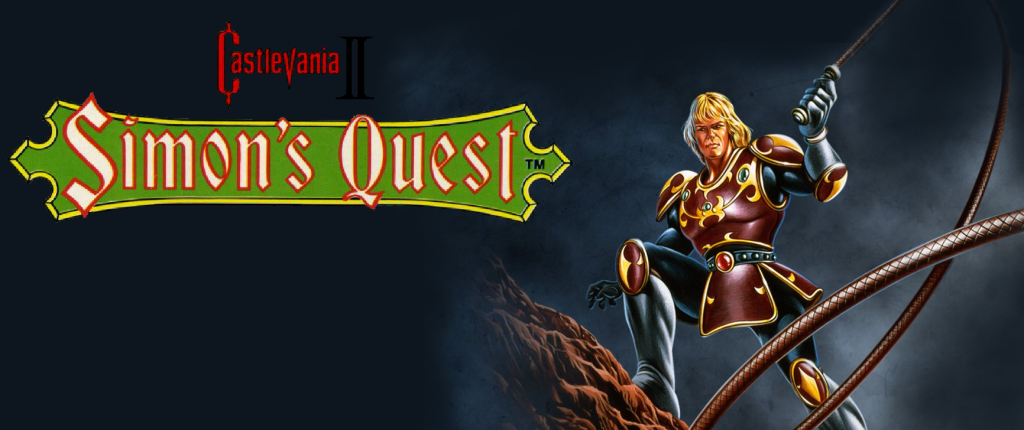
First I want to talk about Castlevania II Simon's Quest, a game popularly known for being the baddest of the NES trilogy (something that I will not deny) and for having been the subject of parodies by some influential youtubers in retro matters (such as Angry Video Game Nerd) taking advantage of the notoriety of some of its failures.
The story of Simon's Quest tells us how the wounds that Simon Belmont received in his fight to the death against Dracula (at the end of the first Castlevania) are still not cured, since apparently Simon is cursed and will end up dying because of it. The solution to avoid the curse is to recover the pieces of Dracula's corpse, resurrect him and kill him again.
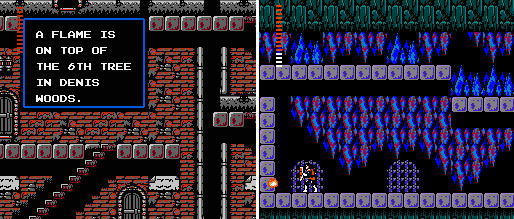
The game retains its gameplay based on action and platforms but adds RPG elements like leveling up, visiting towns, talking to their inhabitants, buying, collecting, changing and improving items and of course going around a lot looking for what we are supposed to do to find the mansions where the pieces of the vampire are locked up.
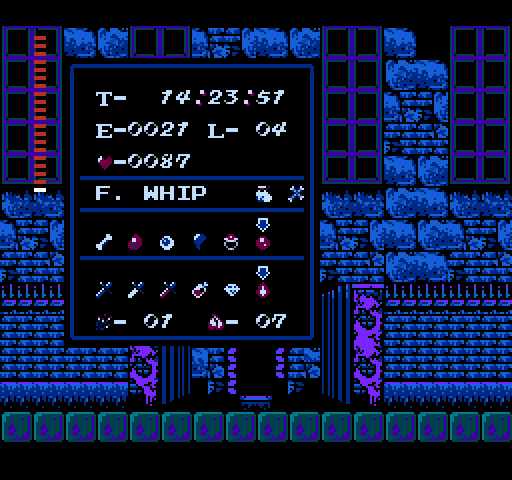
Simon's Quest also introduced the day and night system, so during the game you will go from one to the other in a somewhat abrupt manner. During the day the enemies live only in caves, forests and mansions, but during the night they venture closer to the towns and will also be stronger.
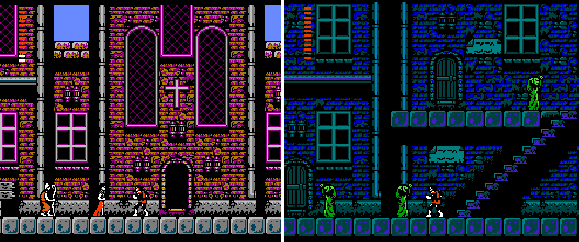
The game is relatively easy for those who have experienced either of the other two Castlevania NES, but many people find it difficult to complete because solving the mysteries can be a real headache, since the majority of villagers will tell us things that make no sense or are wrong (there is even a hack made by fans, where the conversations have been corrected to fix that error). The only way to complete the game without the help of guides or looking on the internet is to look for the hidden books that will give us clues really and they will tell us when we have to select an object in a complete place and even then the player will have to do his part to discover some things, which doesn't seem bad to me, after all these types of games base their charm on investigating and discovering.
Simon's Quest It is an innovative game, but as often happens, it did not implement its new features completely well and that took its toll. But it was also the first game that allowed us to explore the towns of Transylvania freely and search through its secrets, something very pleasant and novel at the time, which now does not seem to be valued.
After Simon's Quest, Konami introduced adventure elements in most of the following games, although without changing the approach of the original game too much, until Castlevania Symphony of the Night, which supposed a revolution within the saga.
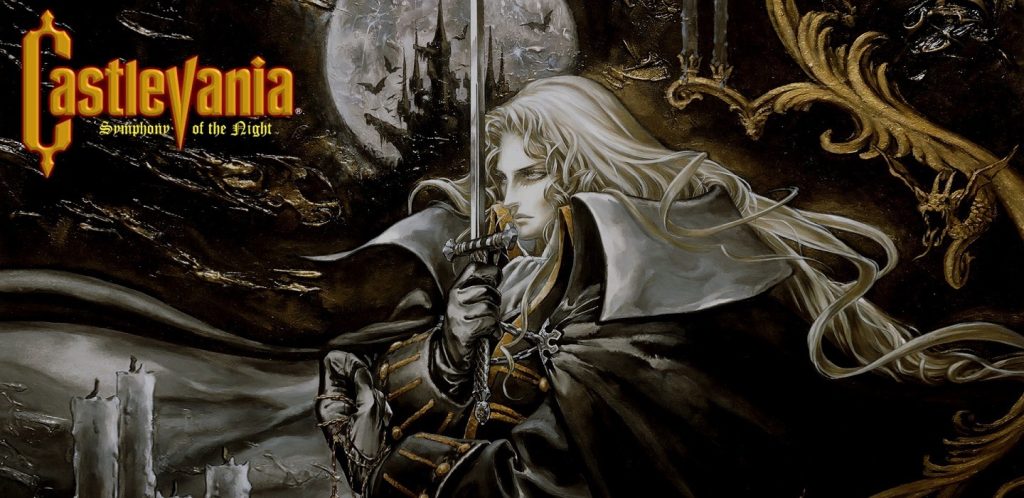
Part of the team that created Symphony of the Night was responsible for Teenage Mutant Ninja III Radical Rescue, una especie de clon de Metroid protagonizado por las Tortugas Ninja y esa idea de imitar la saga de Nintendo continuó con este juego, creando el estilo “Metroidvania”, o lo que es lo mismo, juegos de Castlevania con desarrollo similar a Metroid.
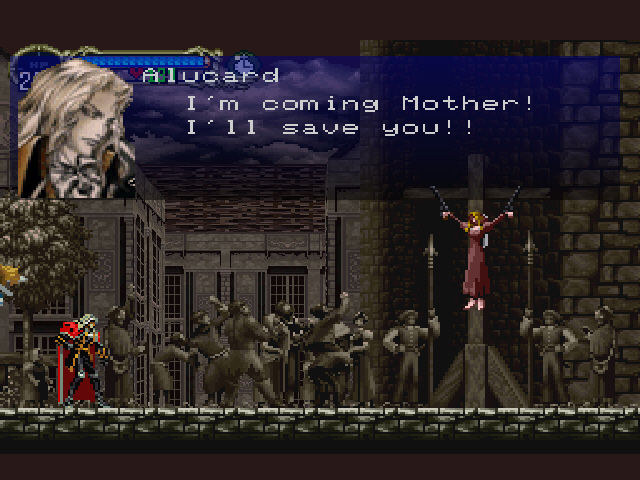
Dejando de lado la influencia de la saga de Samus Aran, lo más llamativo del juego es el regreso de Alucard, hijo de Drácula y aliado de los Belmont desde Castlevania III, el cual tomaría el rol de personaje protagonista. Alucard no es un desconocido por los aliados de su padre de manera que nos encontramos ante un juego plagado de conversaciones, reencuentros e historias pasadas que alimentan la historia principal, profundizando mucho más en el origen y las motivaciones de sus personajes.
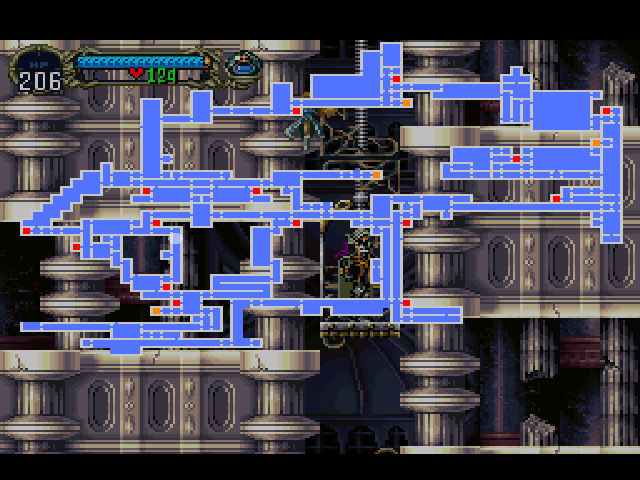
En el apartado jugable se añadieron elementos que acercaban este juego a los RPG gracias a sus niveles de experiencia, múltiples objetos y equipaciones, personajes para conversar y secretos de todo tipo. También se alargo su duración al incluir otros personajes con los que completar el juego, como Maria Renard (solo en Sega Saturn) y Ritcher Belmont.
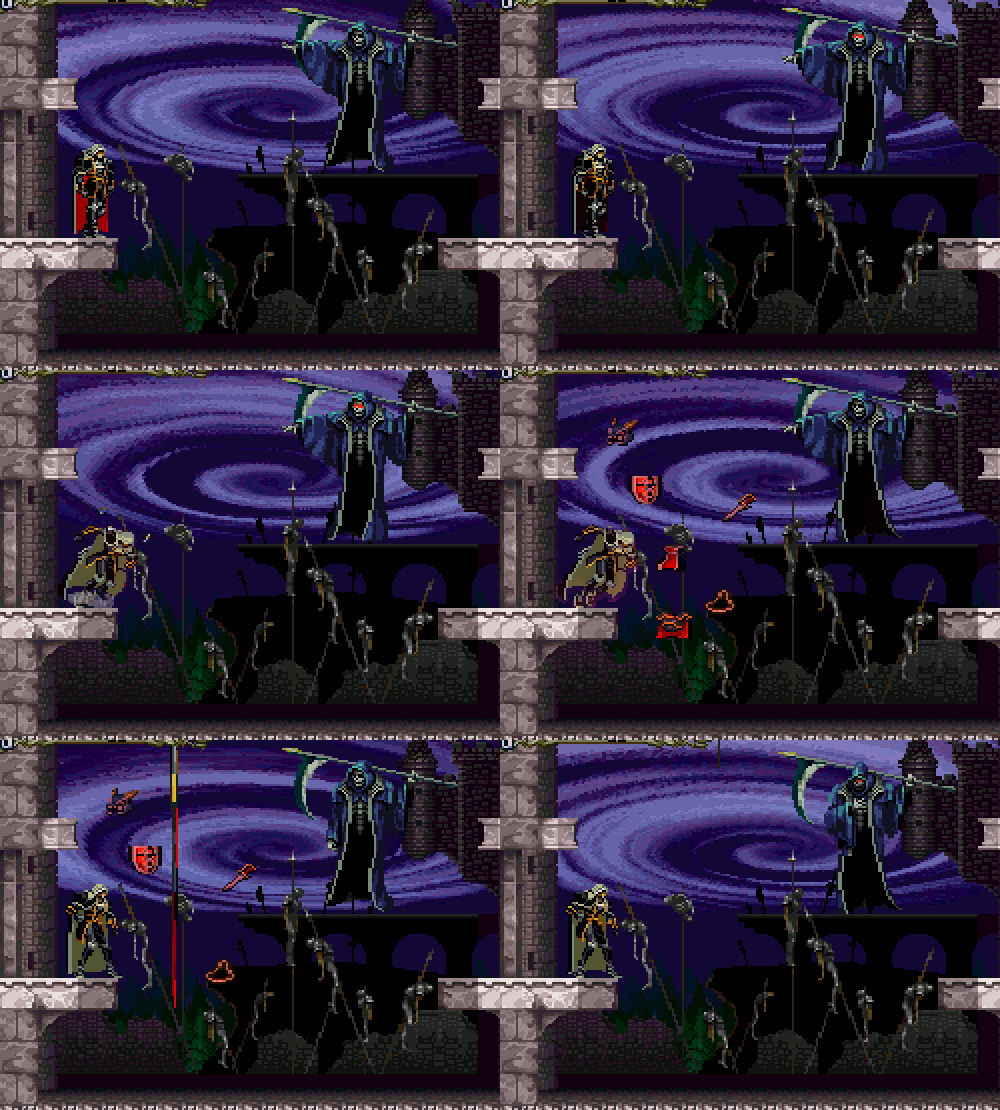
Los Castlevania son juegos que normalmente tienen una excelente banda sonora y Symphony of the Night es uno de los mejores en ese aspecto, ya que aprovechó el espacio extra y la calidad que ofrecía el formato CD en las consolas de 32 bits. Es tan recomendable comprarse la banda sonora, como el propio juego.
Simon's Quest and Symphony of the Night son dos Castlevanias que intentaron expandir la saga y añadirle elementos que volviesen la jugabilidad más profunda e interesante.

Jorge Consiglio
Los conocedores de la saga, sean fans o no de la misma, coincidirán en que hay una de las entregas que es indiscutiblemente la más destacada, en cuanto a que ha llegado incluso a convertirse en referente sobre el cual se comparan entregas posteriores, e incluso otros juegos del estilo “metroidvania”. Sí, hablo precisamente de Super Castlevania IV.
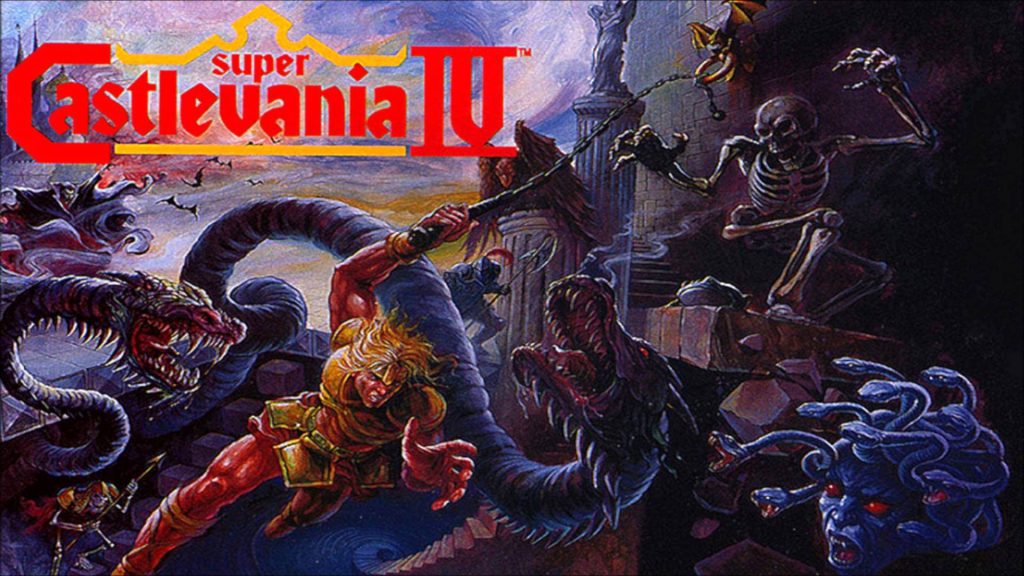
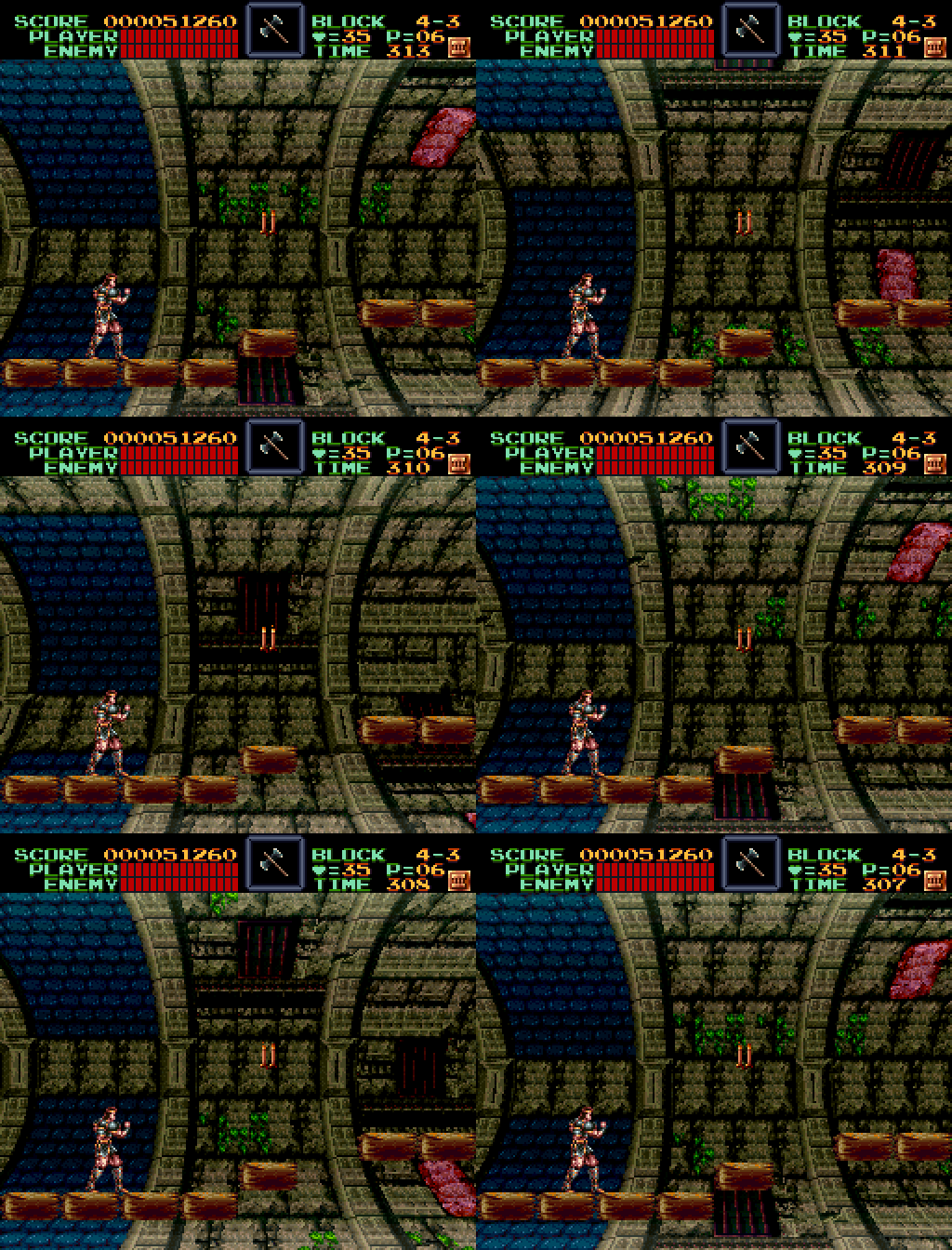
Aunque los fans más hardcore de la franquicia siguen prefiriedo las versiones clásicas de NES (en especial las dos primeras), yo tengo predilección por esta cuarta entrega por dos razones distintas. La primera es meramente la nostalgia, ya que si bien he comenzado mi crianza como videojugador con la NES, no fue hasta llegar a la SNES que le presté atención a esta saga, teniendo mi primer vistazo sobre ella en la genial propaganda, ya famosa, de “el cerebro de la bestia”, donde se nos presentaba a la gloriosa SNES y parte de su excelente catálogo inicial, incluyendo justamente esta nueva aventura de los Belmont. La segunda razón es lo impresionante de sus gráficos para esa época, aprovechando las distintas características de la SNES como el modo 7, que permitía algo tan sencillo pero novedoso y llamativo como girar objetos o incluso fondos.
Se puede decir que en cuanto a historia, Super Castlevania IV es prácticamente un remake de la primer entrega para NES, teniendo como protagonista a Simon Belmont en una misión para encontrar y acabar con el vampiro líder: Drácula.
Sin embargo y a pesar de lo anterior, el diseño de niveles y enemigos es completamente distinto, para nuestro beneficio por supuesto. Simon es más grande que en su versión de NES, lo mismo que los enemigos, ocupando más espacio en pantalla y pudiendo disfrutar de una acción más “cercana”. Los escenarios son muy variados y gran parte de ellos están adaptados para mostrar las capacidades de procesamiento gráfico de la SNES, cambiando la jugabilidad cuando nos encontremos ante escenas donde todo gira a nuestro alededor.
Otro detalle destacado de este juego es la calidad del score musical. Si bien es algo en lo que Castlevania siempre intenta cumplir, en esta entrega la música no solo es de gran calidad artística, sino que también se aprovechó al máximo la calidad sonora del chip de sonido de la SNES, dando un sonido de calidad CD en un juego en cartucho.
Lo “criticable” de esta entrega es algo que muchas personas, incluidas yo mismo, vemos como una virtud: el personaje en este juego puede atacar con su látigo en 8 direcciones. De esta forma, podemos atacar hacia arriba, abajo, a ambos lados y en las 4 diagonales, incluyendo cuando estamos en medio de un salto, marcando una gran diferencia con respecto a sus entregas para NES, donde por limitaciones técnicas el personaje ataca únicamente adelante y atrás. En las versiones de NES obviamente la dificultad resulta mayor debido a esta limitación, y aquí por fin tenemos libertad para controlar la dirección de los ataques de nuestro personaje, pudiendo repeler ataques que en NES nos hubiera sido imposible. ¿Quiere decir eso que el juego es fácil? Para nada. En mi opinión quiere decir que si te frustras será justamente por la dificultad del nivel y no por las limitaciones en el control.
Actualmente este juego está disponible también para la consola vitual de Wii U, con lo cual si quieres tener la experiecia de jugar un clásico de la saga y del género, este es absolutamente recomendable.
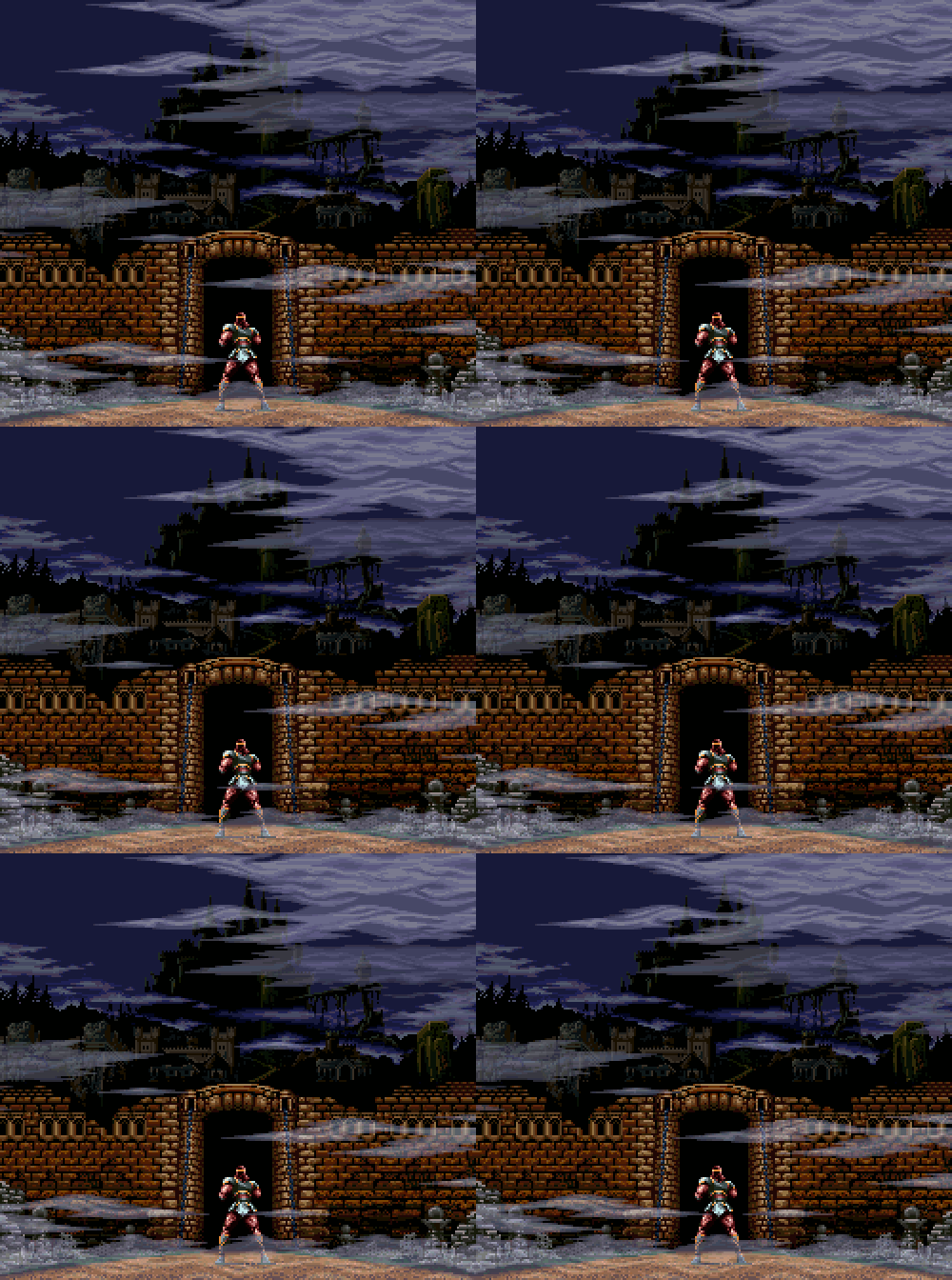
Luego de algunas entregas bastante olvidables para diferentes sistemas, Konami puso al estudio madrileño Mercury Steama a cargo de continuar con la franquicia, y comercialmente fue lo mejor que pudieron hacer. Hay opiniones opuestas sobre lo que Mercury Steam logró con la saga, pero los números hablan por sí solos y las ventas de nuevos Castlevania han aumentado respecto a las últimas entregas que habían sido un desastre. Lords of Shadow fue un gran ejemplo de cómo revivir la facción de aventura de acción 3D de Castlevania, y más tarde decidieron coninuar su camino de resurrección trayendo nueva vida a la acción en plataformas en 2D, homenajeando a los clásicos de esta serie de juegos como los que ya comentamos en este mismo artículo, en exclusiva para Nntendo 3DS. Este nuevo juego lleva el nombre de Castlevania Lords of Shadow – Mirror of Fate. Un poco largo, pero se mantuvo el nombre de Lords of Shadow para dar a entender asi que este juego pertenece a esa trilogía de juegos realizada por Mercury Steam, aunque más allá de esto estamos ante un juego completamente independiente de los otros, el cual podemos disfrutar sin problemas y entender toda su historia sin conocer los dos restantes (si bien sus eventos se ubican entre el primero y el segudo de la trilogía).
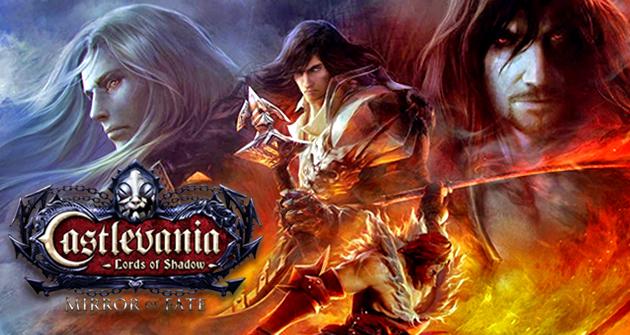
La historia transcurre en distintas momentos, y controlaremos a 3 personajes diferentes también en un juego para portátil que apuesta a darnos la mayor cantidad de contenido posible en vez de lo acostumbrado muchas veces en este tipo de consolas, que es recortar contenidos. Aquí tenemos un juego que concentra gran parte de la historia de los Belmont en su lucha contra el conde Drácula, y creo que después del Super Castlevania IV es el único que puede considerarse a la altura de los clásicos de NES, obviamente modernizado, otogándonos gráficos llamativos, un control muy acertado para el personaje, montones de objetos y distintas armas, un mapa muy completo e icluso un sistema para dejar anotaciones en distintos puntos del mapa. Conocer la saga mediante este juego es un gran punto de partida también si eres de los que nunca ha jugado un Castlevania y posees una 3DS, y al día de hoy no es un juego difícil de conseguir.
Para los que pregunten si el efecto 3D está bien logrado en este juego, puedo afirmar que sí. El estilo visual nos muestra un peronaje algo pequeño en pantalla, pero esto es a causa de que es necesario para destacar el tamaño de algunos enemigos que son enormes al lado de nuestro personaje, como así también distintos aspectos del escenario. Y no solo se trata de destacar los fondos en cuanto a los escenarios del juego, sino que el gameplay tiene muchos momentos muy plataforeros en los que justamente contar con una cámara alejada nos permitirá tener una visión más amplia del escenario, facilitándonos la labor de saltar de aquí para allá y colgarse en este u otro lugar. Este estilo visual tiene ventaja al ser combinado con el efecto 3D de la cosola, ya que nos brinda diferentes planos de profundidad en los escenarios, y hasta momentos de acción en donde la cámara del juego hace un acercamiento para poner énfasis en esa acción.
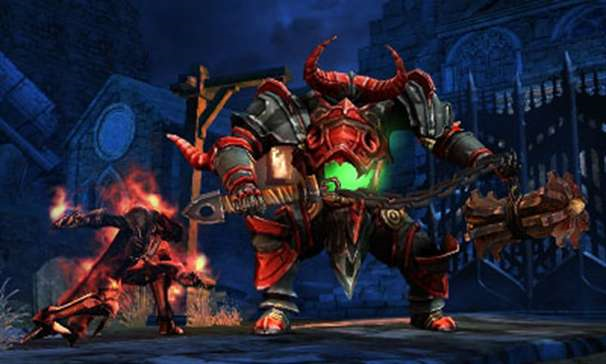
Para acercar a los nuevos a la saga, o a los indecisos, se lanzó también una demo en la eShop de Nintendo, la cual está disponibe aún si quieres probar el juego y asegurarte de que es tan bueno como digo. Échale un vistazo si posees una 3DS, vale la pena.
Related Articles
![[Very top] Five weird games from a galaxy far, far away](https://combogamer.com/wp-content/uploads/2026/04/5rarosstarwars_banner-300x186.jpg)
![[Analysis] Clockwork Ambrosia understands something that many modern metroidvanias seem to have forgotten: shooting can also be fun](https://combogamer.com/wp-content/uploads/2026/05/clockwork_ambrosia-poster-300x169.jpg)
![[Very top] Five graphic adventures for consoles](https://combogamer.com/wp-content/uploads/2025/12/5aventurasconsolas_banner-300x154.png)
![[Playing…] Our 2025 games (whether or not they were released that year)](https://combogamer.com/wp-content/uploads/2026/01/Especial-2025-portada2-300x169.jpg)
![[Article] Recommendations for Halloween 2025](https://combogamer.com/wp-content/uploads/2025/10/Especial-Halloween-2025-1-300x169.jpg)
![[HorrorScience] Renfield: Vampire Assistant (2023)](https://combogamer.com/wp-content/uploads/2025/10/Renfield-banner-300x169.jpg)