

Table of Contents
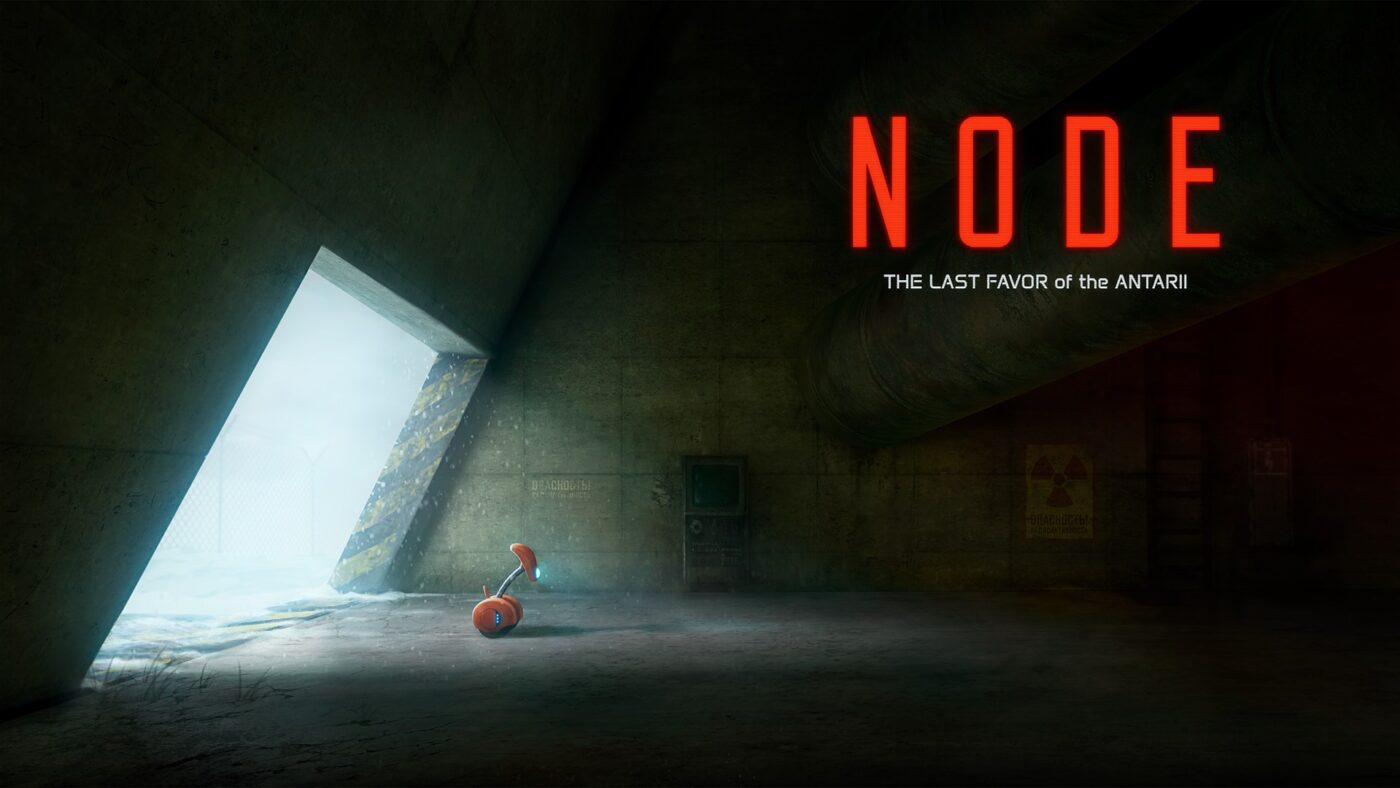
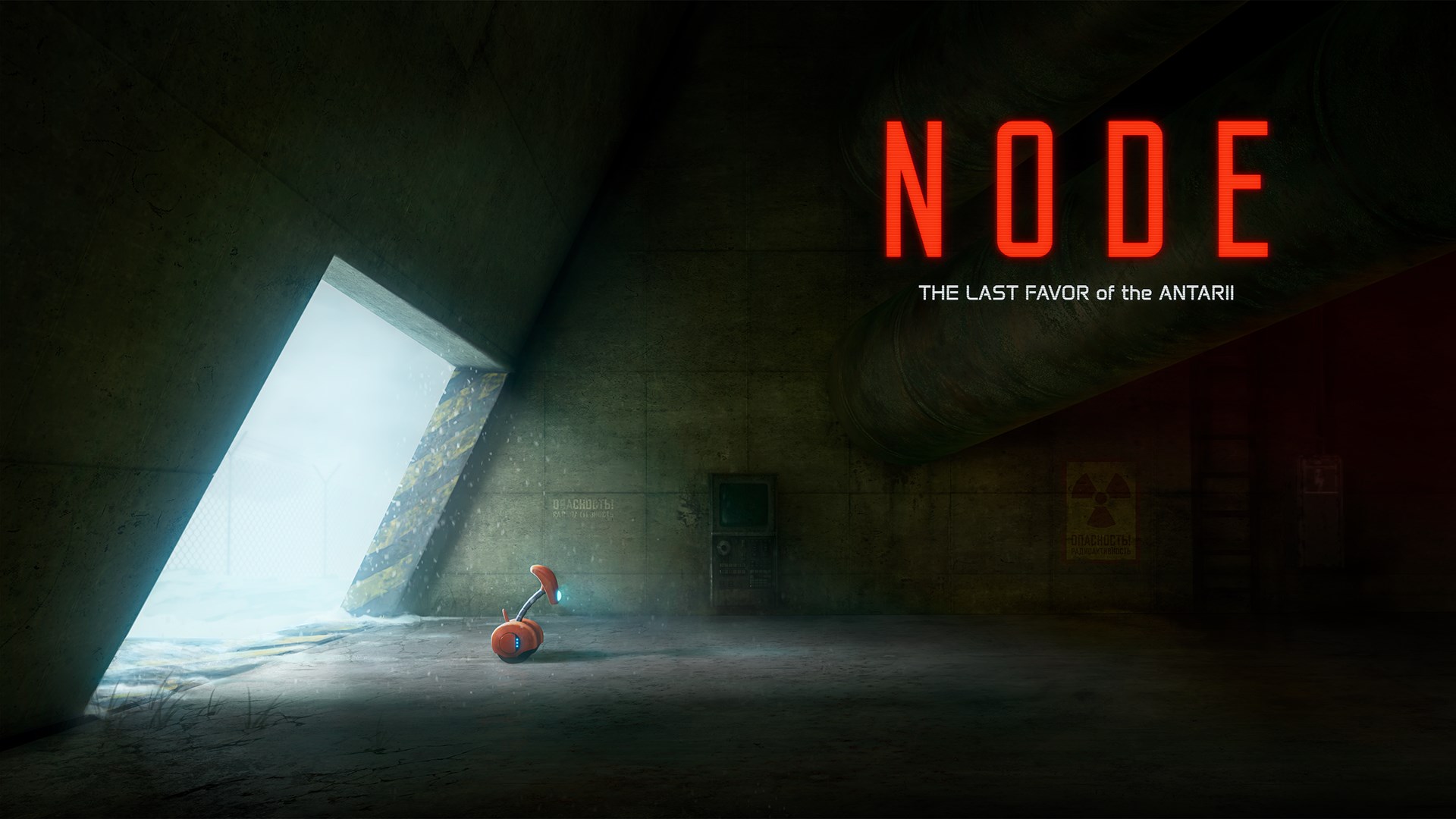
There isa newsthat I read years ago and that stuck in my brain like a splinter: in Fukushima, the robots sent to explore the damaged reactors died before completing their mission. The radiation was so high that it fried their circuits, and the hallways of the plant were filling with metal corpses. It was not a science fiction image. It was real. And from that image was bornNODE: The Last Favor of the Antarii.
The Spanish studio Lapsus Games, with founders who come from Pixar and Illumination, took that idea and turned it into a game. It's not a game about heroes. It's a game about a robot who is probably going to die, and about you, who has to decide if it's worth it.
It arrived on Steam, PlayStation 5, and Xbox Series in August 2025, and has been growing ever since. It won the Grand Prize at the Busan Indie Connect Festival, has racked up "Very Positive" reviews on Steam, and just a few weeks ago received an update that completely changes how it plays. But let's go in parts.
A Robot, a Central and a Cosmic Mystery
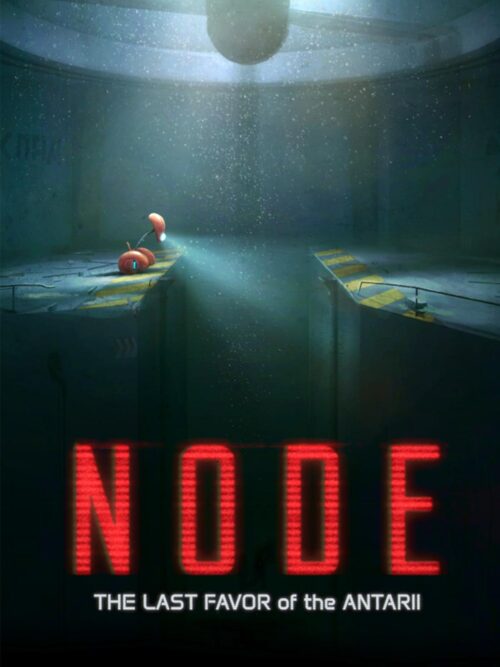
The NODE story places you inToska, an abandoned Soviet nuclear complex where radiation and secrets from the past mix with signs of another world. You are NODE, an autonomous artificial intelligence in the form of a small and endearing robot—designed this way on purpose, so that you care when it dies—and your mission is to prevent a nuclear catastrophe while unraveling a mystery that could decide the fate of humanity.
The setting is a Cold War installation, with that mix of rusted concrete, leaking pipes and flickering lights that works so well in the genre. But it's not just a decoration. The game combines real events from the Cold War with elements of science fiction and mystery, creating a setting that feels familiar and fantastical at the same time.
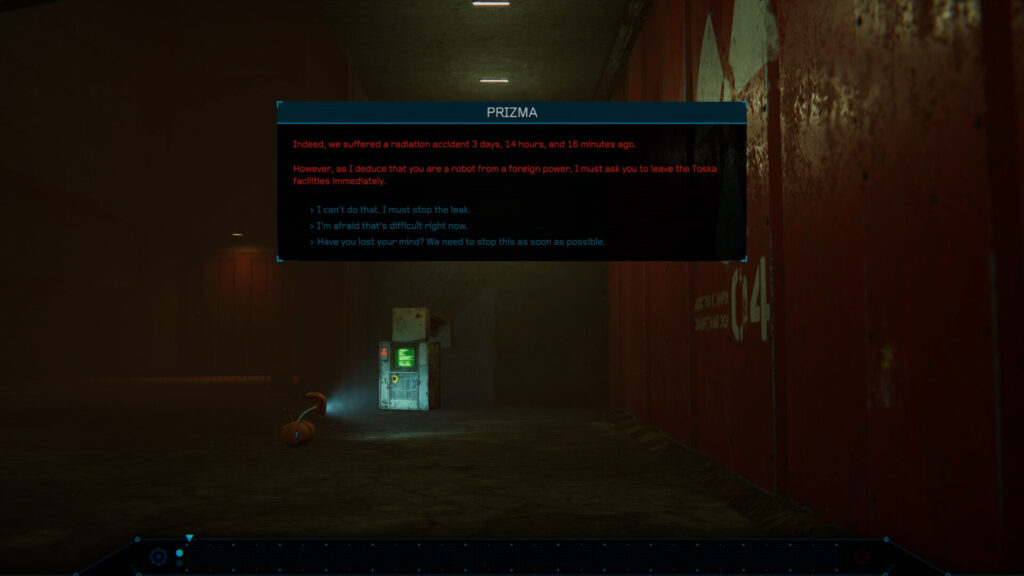
The narrative is told in a fragmented way, through branching dialogues that influence the development of the story. You talk to a Russian supercomputer that controlled the plant, and the relationship between NODE and that entity is one of the most interesting threads. But be careful: the game does not take you by the hand. It has multiple endings, and your decisions, even seemingly minor ones, shape the course of the story. That means you can end the game without having unlocked certain story arcs if you didn't explore enough or made the wrong decisions. It is a design that rewards curiosity and punishes haste.
The Original Way: Schedule Every Jump on a Timeline
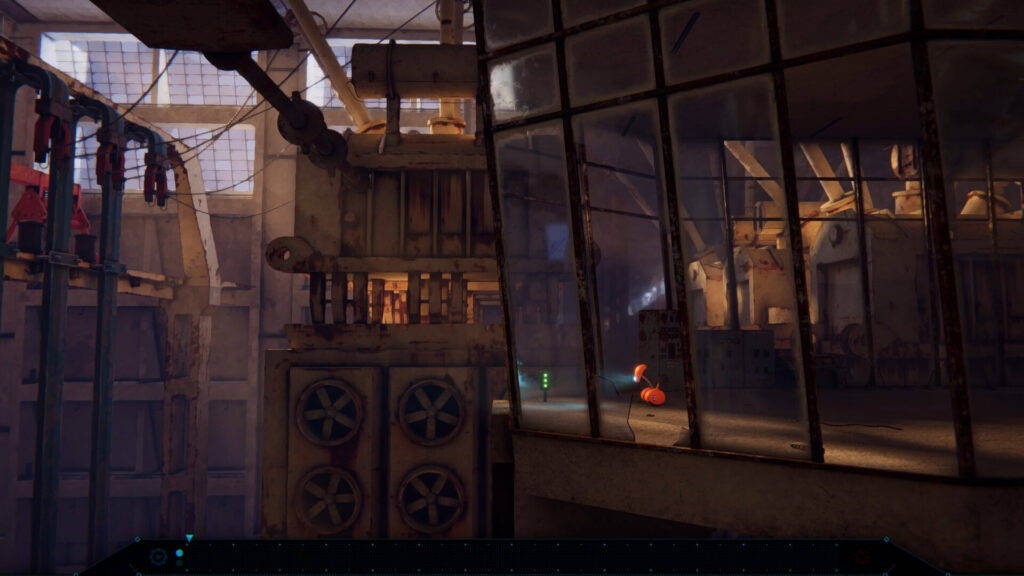
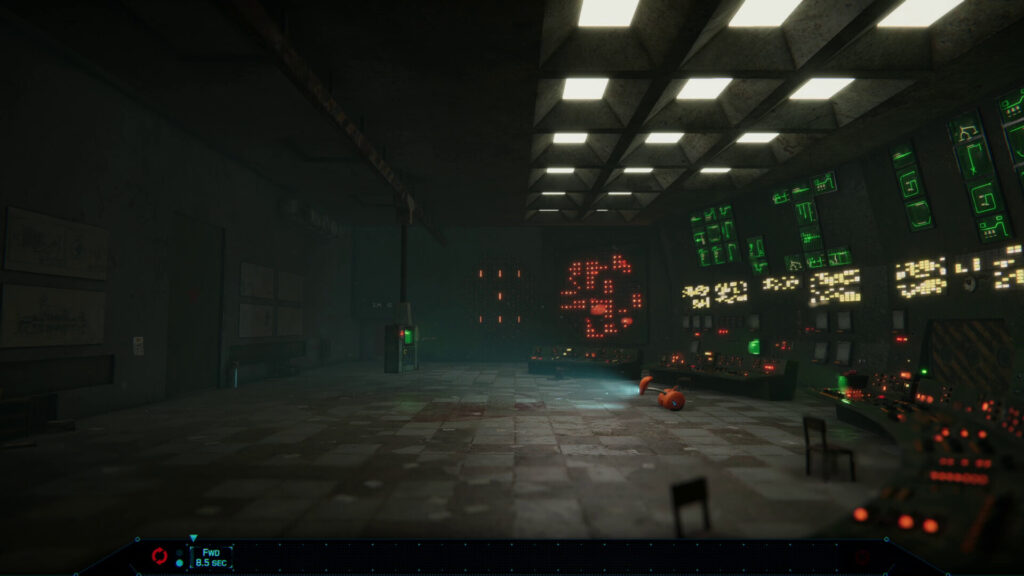
This is where NODE becomes really special. You don't control the robot directly. You are its programmer. You plan a sequence of commands on a timeline—forward, backward, jump, brake, use, change lanes, flip switches—and then you run the sequence to see what happens.
It sounds simple, but it is devilishly complex. Each level gives you a limited number of commands, and you have to manage to navigate the stage, avoid radiation, activate platforms, avoid defense units and reach the checkpoint. The puzzles integrate elements of the environment: elevators that must be activated with the "use" command, floodgates that open at specific times, rusty mechanisms that require millimeter synchronization.
The trick is in trial and error. You try a sequence, see where it fails, adjust the timing (sometimes tenths of a second make a difference), and try again. There's a fast forward button which is a lifesaver, because some sequences are long and watching them over and over again at normal speed would be torture.
It is a system that is reminiscent of games likeBaba Is YoueitherThe Talos Principle, where satisfaction does not come from execution, but from planning. When you get a sequence of ten commands to work perfectly, it feels like you've solved a complex puzzle, not just beaten a platforming level.
Platform Mode: Direct Control and Frictionless Exploration
And then update 1.1 arrived, in May 2026, and with it a structural change that doubles the personality of the game.
The newplatform modeallows you to control NODE directly, in real time. You jump, run, dodge and explore without having to program anything. It is a much more traditional experience, which shifts the focus of the game: it is no longer so much about solving precision puzzles, but about immersing yourself in the story and exploring the environment.
The developers explain it like this: the original mode created a mechanical barrier for some players who just wanted to run, jump and react to the world in real time. With this new mode, they are not replacing their original vision, but expanding it. Now each player can choose how they want to live the experience.
It seems like a very good decision to me. And it's one that completely changes the tone of the game. In the original mode, NODE is a tool, a set of instructions to execute. In platform mode, NODE is a character. You see their animations, the way they move, their reactions to the environment. The emotional connection the developers wanted to create becomes more immediate.
The update also brought a new saving system, with automatic and manual saving, and support for ultra-wide and wide screens. Small details that round out the experience.
Two Games in One
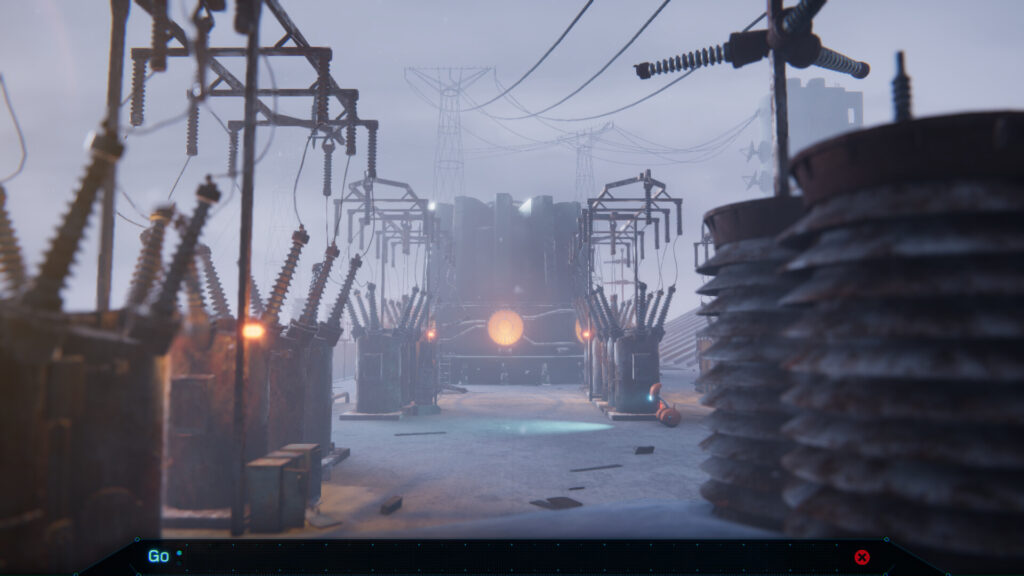
What makes NODE special is that, with this update, it has become two games in one. You can play it like a meticulous programming puzzle, where every move is a calculated decision and every mistake teaches you something new. Or you can play it as a narrative platformer, where the important thing is the journey, the atmosphere and the story.
And both modes work. The original is for those who enjoy racking their brains with complex systems. The new one is for those who want a more fluid and exploration-focused experience. There is no one better than the other; There are two different ways of approaching the same story.
What I took away from NODE
NODE is not a game for everyone, but it is, depending on how you decide to start. The original mode can be frustrating if you don't have the patience for trial and error. The story, told in fragments, can feel unfinished if you don't explore enough. And the new platform mode, although more accessible, loses part of the identity that made the game unique, but allows you to explore much more and unlock more of the story easily.
It is also a game with a very strong personality. It comes from a real idea—robots dying for us in Fukushima—and turns it into an experience that makes you connect with a character who, on paper, is just a pile of junk. The founders of Lapsus Games come from Pixar and Illumination, and it shows: they know how to give life to something that doesn't have it.
And now, with two game modes, it's also a game that adapts to you. You can be the meticulous programmer or the curious explorer. You can suffer with each poorly adjusted command or get carried away by the atmosphere. The choice is yours.
NODE: The Last Favor of the AntariiIt is available on PC (Steam), PlayStation 5 and Xbox Series X/S. If you like thought-provoking puzzles, oppressive atmospheres, and Wall-E-faced robots doomed to certain death, give it a try. And if the original mode is too demanding for you, you can always switch to platform mode and continue enjoying the story. Or the other way around. Total replayability is assured if you want to unlock everything. The Fukushima robots were not so lucky.
Related Articles
![[Analysis] Mixtape: the narrative adventure that turns a 90s mixtape into an unforgettable video game](https://combogamer.com/wp-content/uploads/2026/07/mixtape-poster-300x160.png)
![[Analysis] Scholar Adventure: Mystery of Silence — A Journey to an Abbey that Whispers Secrets](https://combogamer.com/wp-content/uploads/2026/06/Scholar-Adventure-Mystery-of-Silence_poster-300x169.png)
![[Analysis] OUTBLAST — When 2000s Arcade Puts on the VR Goggles (and Still Unimpressed)](https://combogamer.com/wp-content/uploads/2026/06/OUTBLAST-poster-300x172.jpg)
![[Analysis] Echo Generation 2 — When a Sequel Risks Everything](https://combogamer.com/wp-content/uploads/2026/06/Echo-Generation-2-poster-300x169.jpg)
![[Analysis] Swan Song — The Last Melody of a Father Who Built a Music Box to Not Face Death](https://combogamer.com/wp-content/uploads/2026/06/swan_song-poster-300x169.jpg)