


Table of Contents
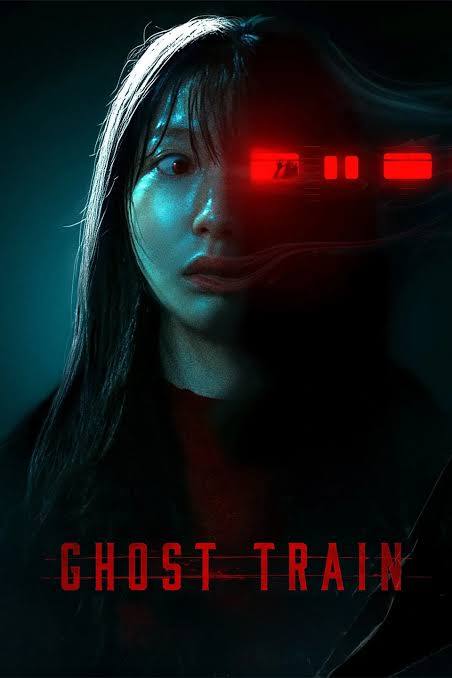
Ghost Train(2025), also known asGwanglim Station Ghost, is a Korean horror film directed by Tak Se-woong that adopts the anthology format wrapped in a modern frame story. A fading horror YouTuber, desperate to regain followers, decides to investigate a Seoul subway station famous for its unexplained accidents and recurring suicides. What begins as a search for viral content turns into something much darker when the station chief tells him a series of chilling stories that seem all too real. The film explores the obsession with digital fame, the weight of urban legends and how the buried past always finds a way to return, all within the claustrophobic and everyday environment of a subway that anyone could recognize.
The YouTuber and the Station that Keeps Secrets
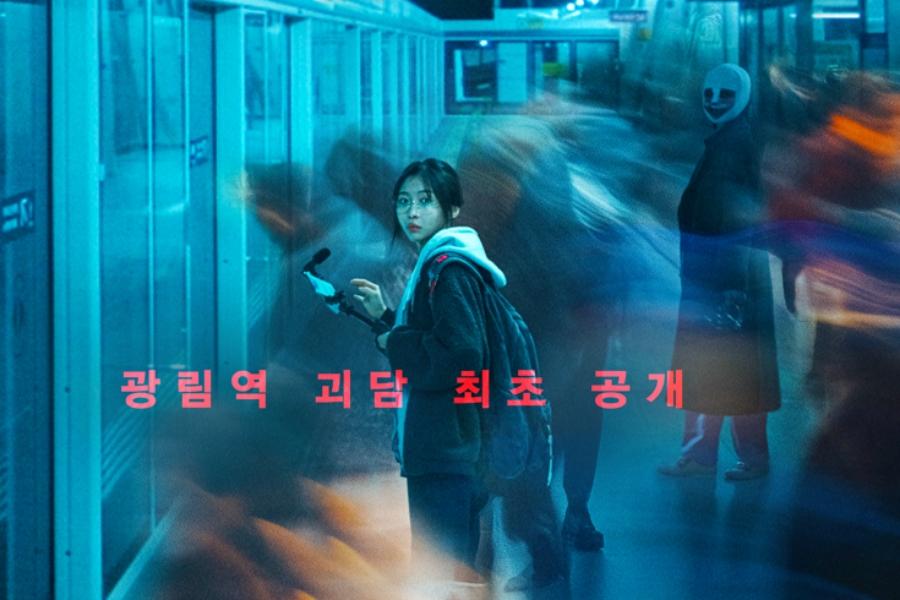
The plot begins with Da-kyung, a horror content creator who watches her channel sink while a beauty rival gains thousands of views with superficial videos. Pressed by numbers and her own ambition, Da-kyung chooses Gwanglim Station as her target, a real place in Seoul known for its high rate of strange incidents. There he meets the station chief, a tired and resigned man who agrees to tell him several stories of what he has witnessed over the years.
Each story works as an independent chapter but connected by the season. One speaks of suicides that are repeated on the same platform, with victims who seem attracted by an invisible force. Another follows a homeless man who discovers a cursed vending machine capable of making people disappear for easy money, a tale that mixes disturbing images with a sense of twisted justice. Yet another focuses on a woman who suffers from body dysmorphia and ends up being pursued by an entity that reflects her own complexes in a literal and terrifying way. The film spends time on these stories, told with a mix of dramatic re-enactments and testimony from the station master, giving you the feeling of listening to real urban legends around an underground campfire.
Da-kyung listens fascinated at first, convinced she has material for a viral video that will save her. But as the night progresses, the lines between the stories and their own reality begin to blur. The station, with its flickering fluorescent lights, empty hallways, and the constant echo of trains that never seem to stop, becomes a living character. The film uses the real space of the subway to generate authenticity, making horror feel close and possible on any nighttime trip through Seoul. If you read my HorrorScience onThe Ghost Station, you will notice that there are many similarities between these stories. Coincidence?
As the stories progress, Da-kyung becomes more and more involved. Record interviews, review security footage, and return night after night for more details. The station chief, initially reluctant, ends up sharing stories that seem taken from a ghost book, but with such specific details that it is difficult to believe that they are just legends. The film builds tension through these intertwined stories, each adding a layer of unease and making the station seem like a living place, with its own will and memory.
How Horror Is Built in Everyday Life
The film avoids excessive gore and focuses on suggestion, although some vision scenes manage to be disturbing. The pacing is leisurely, prioritizing atmosphere over easy scares, allowing the fear to grow organically as Da-kyung digs deeper into the mystery.
The main story progresses in parallel to the stories told, with Da-kyung experiencing anomalies of her own that make her doubt her sanity. The film uses the real space ofOksu Stationto create authenticity, making horror feel close and possible at any Seoul station. The ambiguous and open ending invites multiple interpretations, from a commentary on the obsession with digital content to an allegory of how the past always finds a way to return.
In my opinion, Ghost Train works well when it sticks to building atmosphere within the station and telling its stories directly, but it loses steam when it tries to tie everything together in a conclusion that feels rushed. It is not the most original film of the year, but it is one that knows how to take advantage of an everyday place to generate real discomfort. If you like Asian horror anthologies with a touch of urban legend, this installment delivers what it promises without any big surprises.
Curiosities aboutGhost Train
- Gwanglim Station exists in real life in Seoul (Oksu Station) and has spawned urban legends about ghosts and accidents for years.
- The script is inspired by the webtoonOksu Station Ghostby Horang, which went viral for its horror stories based on real rumors, and is the reason why there are so many similarities between this film and the Japanese oneThe Ghost Station.
- The director incorporates elements of social criticism, such as the obsession with YouTube views and job insecurity, which are reflected in the character of Da-kyung.
- It was filmed in real subway locations and sets built to recreate hallways and platforms in great detail.
If you have seenGhost TrainWhat did you think? Share in the comments!
Related Articles
![[HorrorScience] Obsession: turning the classic "be careful what you wish for" into a nightmare](https://combogamer.com/wp-content/uploads/2026/07/obsession-poster-300x169.jpg)
![[HorrorScience] Backrooms: the A24 film that turned an internet creepypasta into a horror phenomenon](https://combogamer.com/wp-content/uploads/2026/07/backrooms-poster-300x169.jpg)
![[HorrorScience] Victor Crowley (Hatchet IV): The fourth installment that arrived without warning](https://combogamer.com/wp-content/uploads/2026/06/victor_crowley-poster-300x169.jpg)
![[HorrorScience] Number 23 (2007)](https://combogamer.com/wp-content/uploads/2026/05/El-numero-23-banner-largo-300x169.jpg)
![[HorrorScience] Hokum: When a bitter writer meets an Irish witch](https://combogamer.com/wp-content/uploads/2026/06/hokum-poster-300x169.jpg)
![[HorrorScience] The man who could cheat death](https://combogamer.com/wp-content/uploads/2026/04/The-man-cheated-death-banner-300x165.png)