



Table of Contents
Broken Bird Games is a small studio, based in Gran Canaria, that until recently no one placed on the independent horror map. LUTO, his debut feature, changed that almost immediately: without a single cheap jump scare or a traditional monster to chase, it became an obligatory reference for psychological horror made in Spanish, the type of game that you finish and immediately want your friends to play, even if it's just so you can talk about it with someone.
A house you can't leave
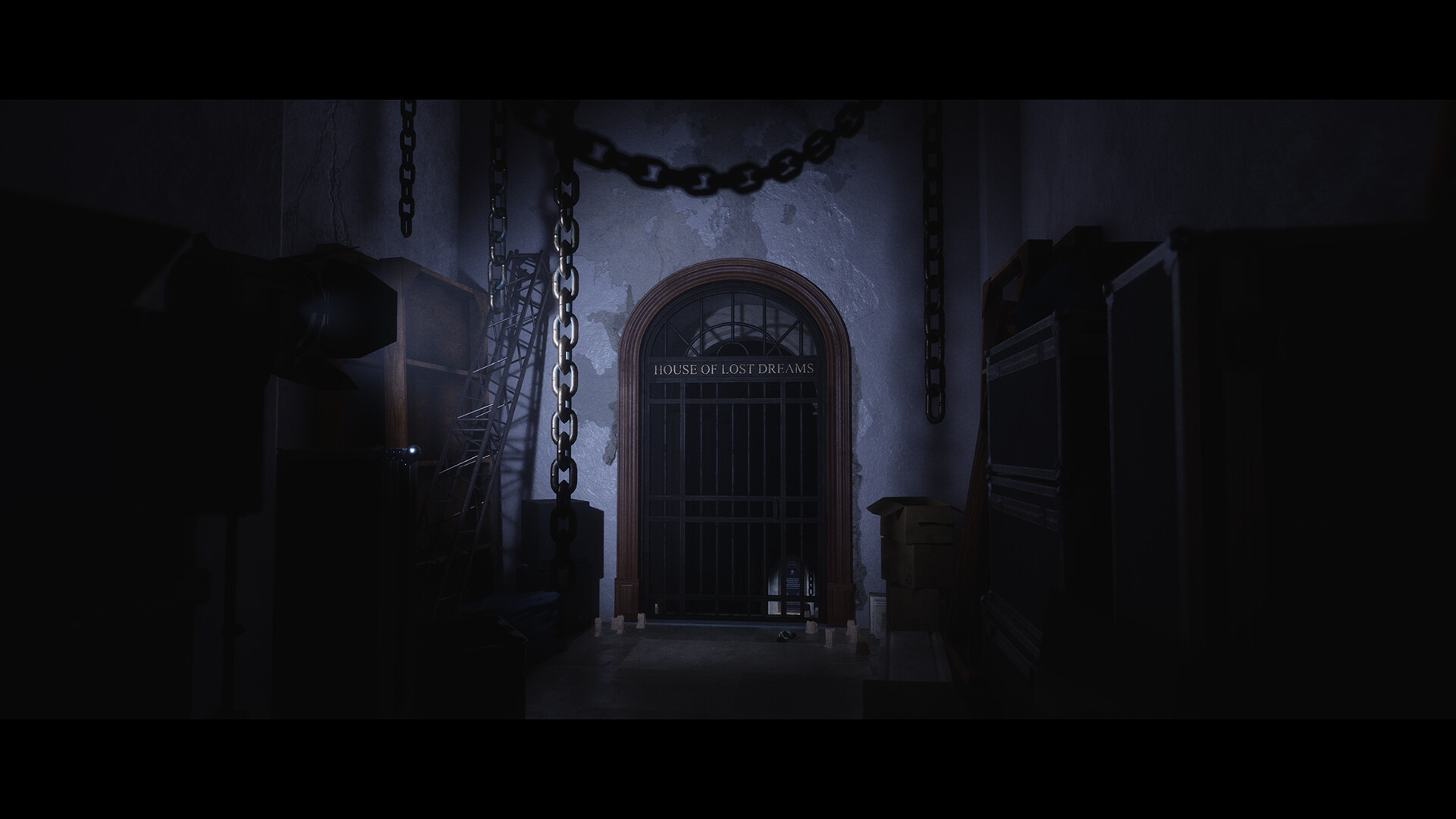
In LUTO we play Samuel Hale, a man who once dreamed of devoting himself to art, screenwriting or cinema, and who now finds himself trapped in his own house without being able to leave it. Each attempt to leave ends the same way: a forced jump the next day, back in the bathroom, as if time refused to move beyond the walls of that home. With each repeat of the loop, the house becomes a little more distorted, and Sam is forced to explore beyond the limits his own mind seems to impose on him to find a way out, while facing what the game hints at as his own inner demons.
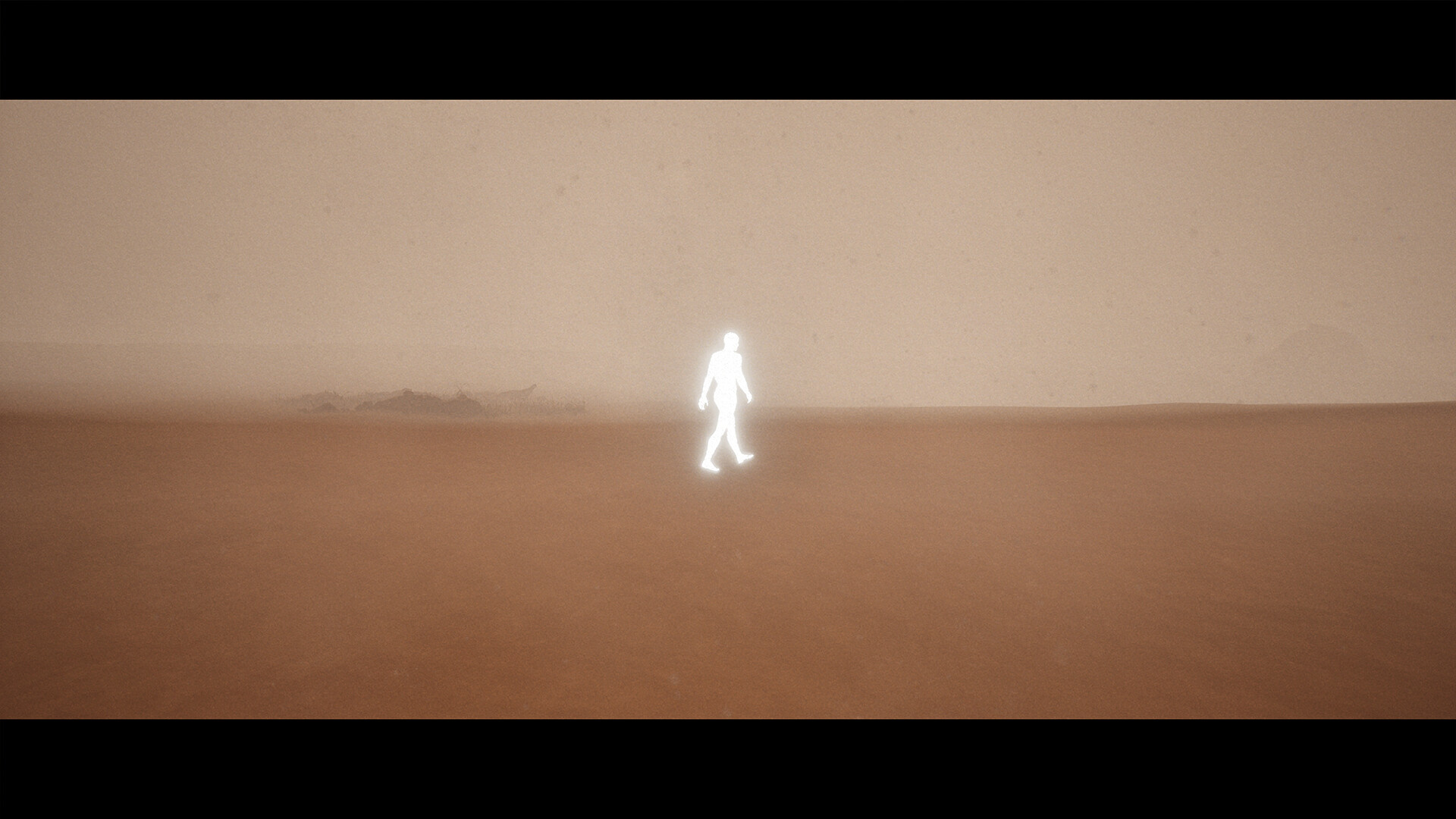
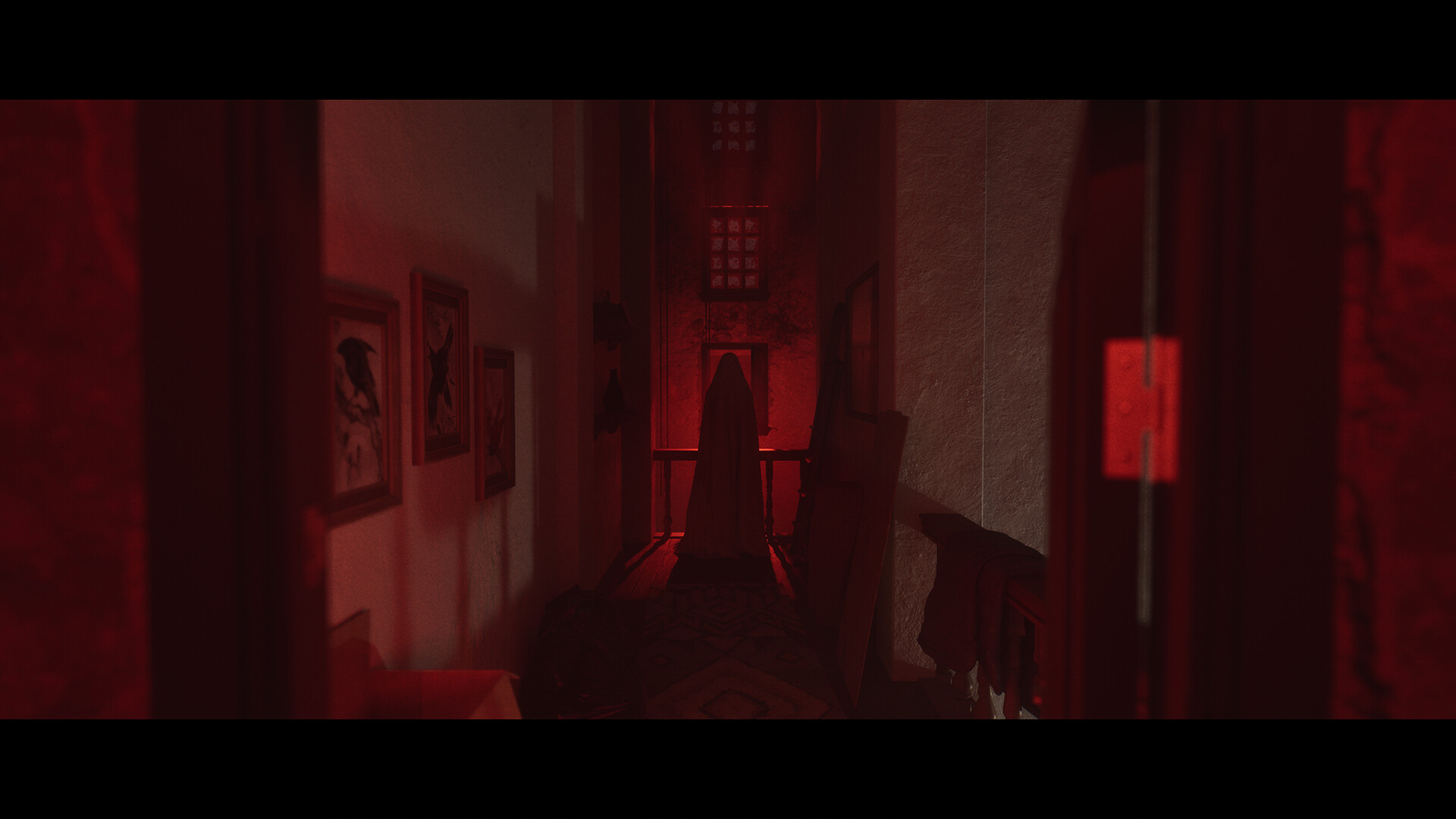
You are not entirely alone on that journey. A narrator with a bitter and quite sharp humor comments on much of what Sam discovers, and throughout the adventure ghostly figures covered in sheets begin to appear, silent presences that are not always hostile but that constantly reinforce that feeling of not being completely alone in a space that, in theory, should be the safest and most familiar of all: one's own home. The underlying theme, without giving too much away, revolves around grief and a deeply damaged bond, the kind that is difficult to rebuild once it is broken, and the house ends up functioning as a physical manifestation of all that unresolved pain.
A house that reorganizes itself with every blink
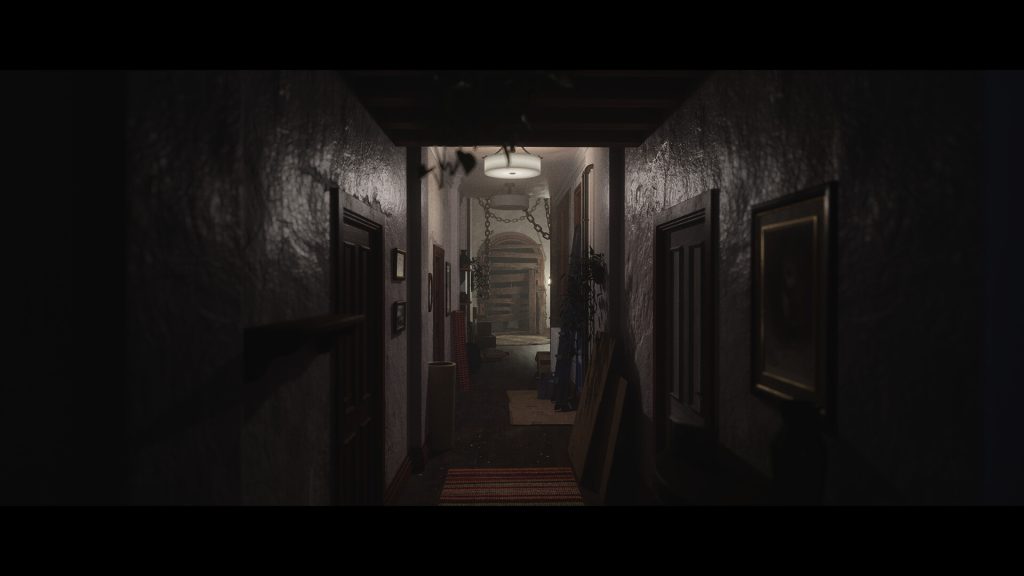
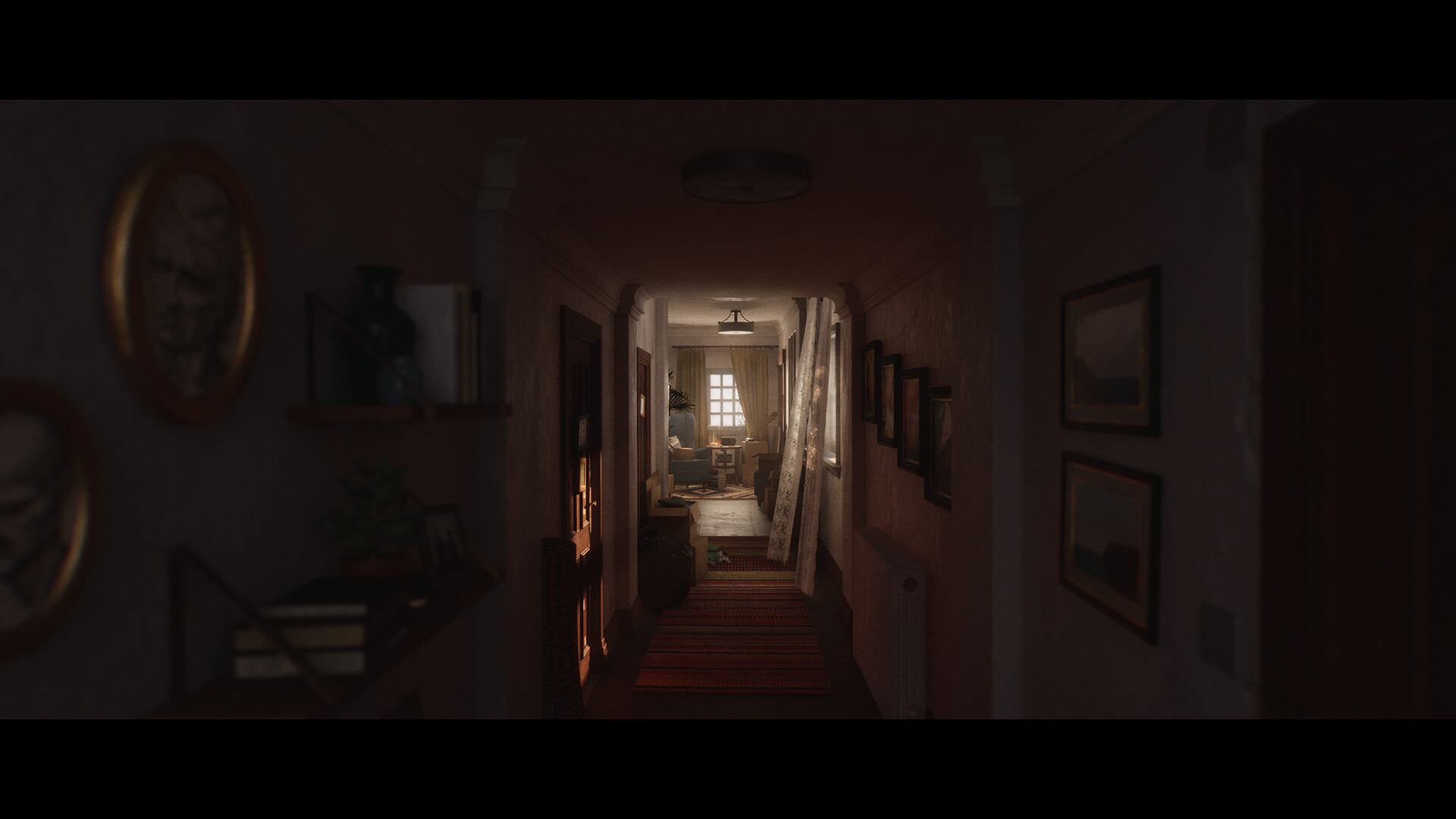
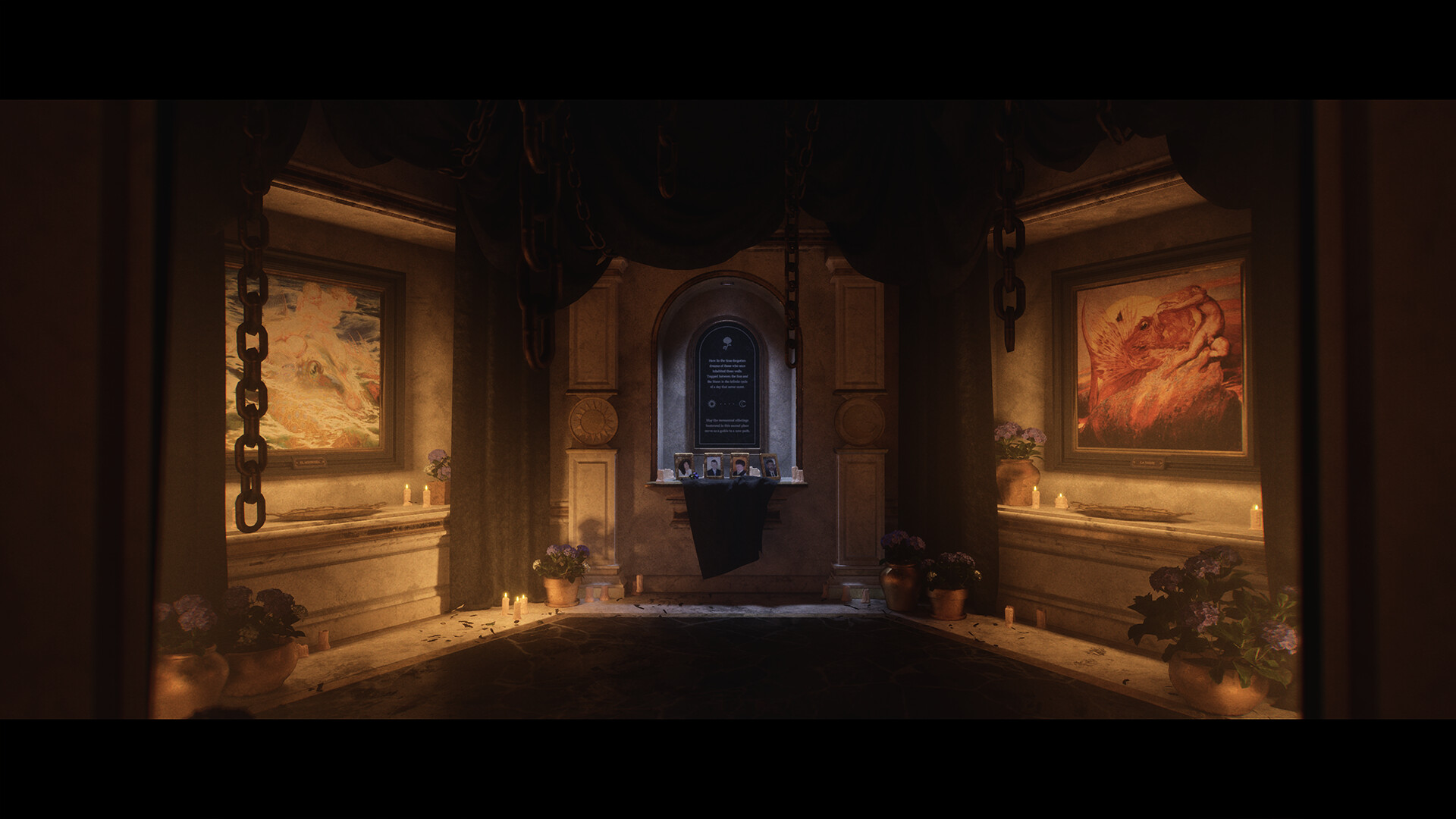
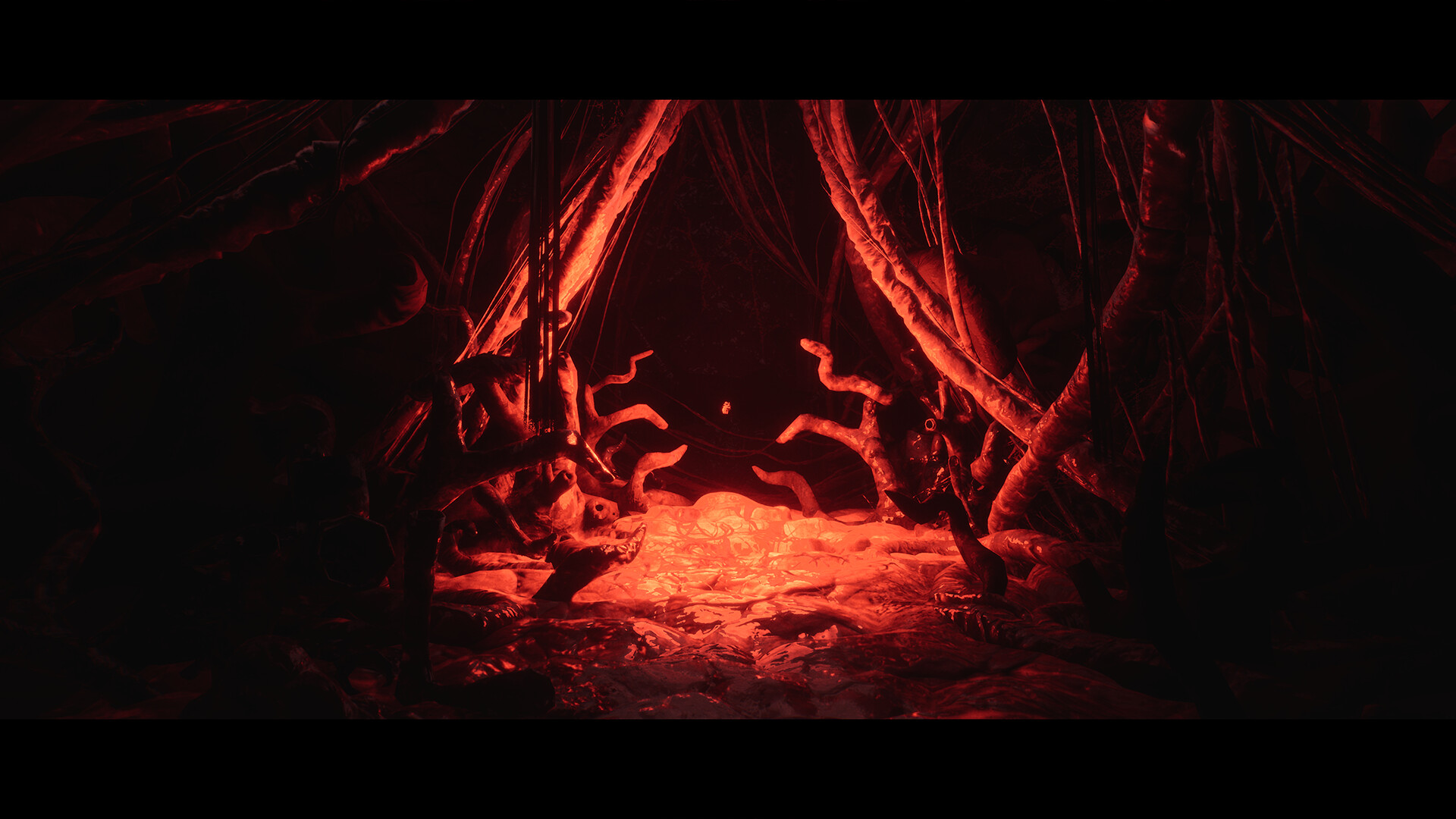
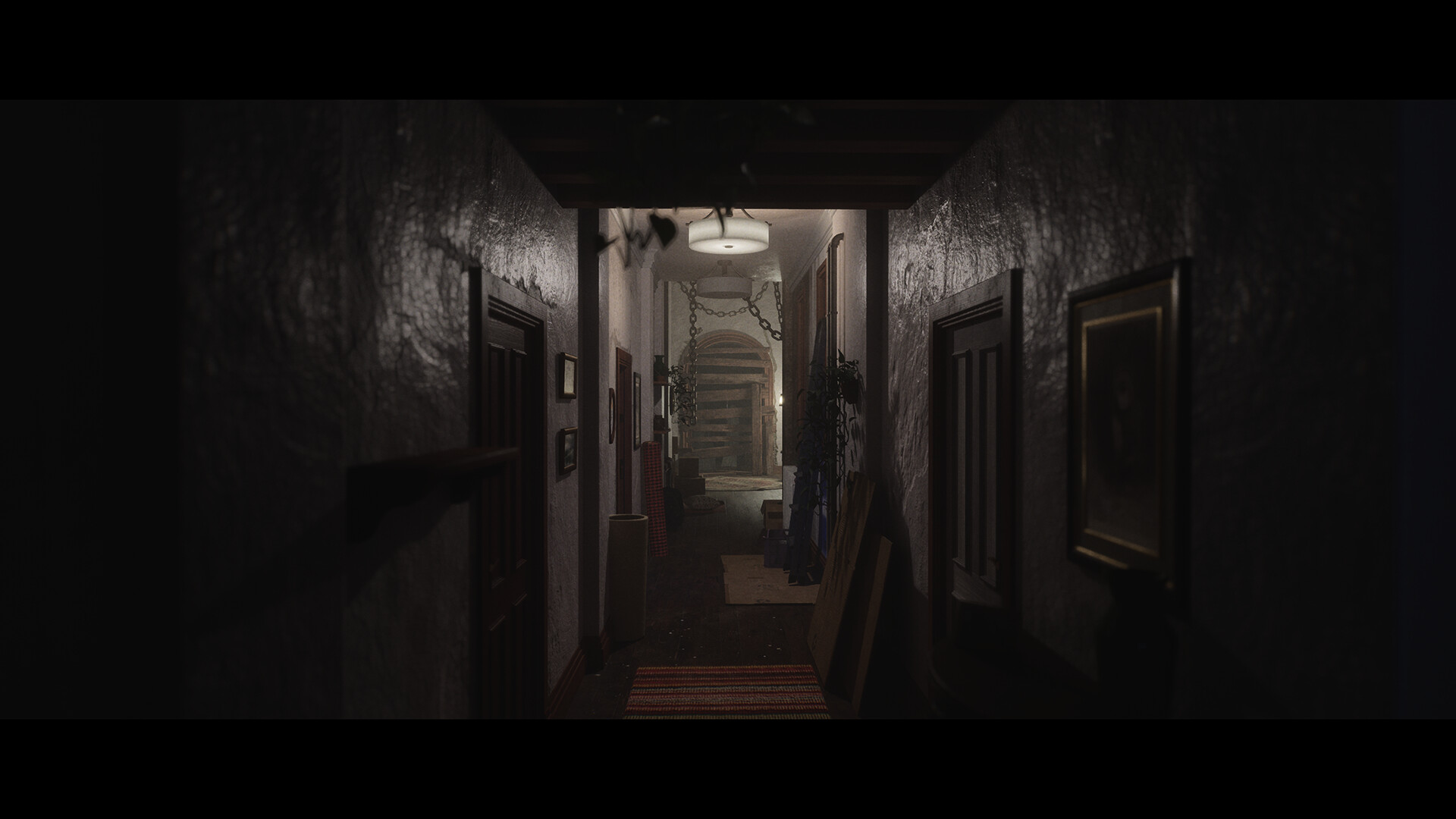
Where LUTO really shines is in the way it transforms a scene as mundane as an ordinary home into something deeply disturbing. Hallways stretch into areas of darkness that should not exist, doors disappear without explanation, and entire rooms repeat in loops that defy any architectural logic. It is a resource that inevitably remindsP.T., the legendary playable demo by Hideo Kojima and Guillermo del Toro, both in the setting and in the structure of traveling through the same familiar space over and over again while something subtly changes each time. Echoes of Silent Hill and Layers of Fear can also be traced in the way the environment acts almost like another character, and there are those who have pointed out a certain kinship with the slow and emotional tone of Mike Flanagan's cinema.
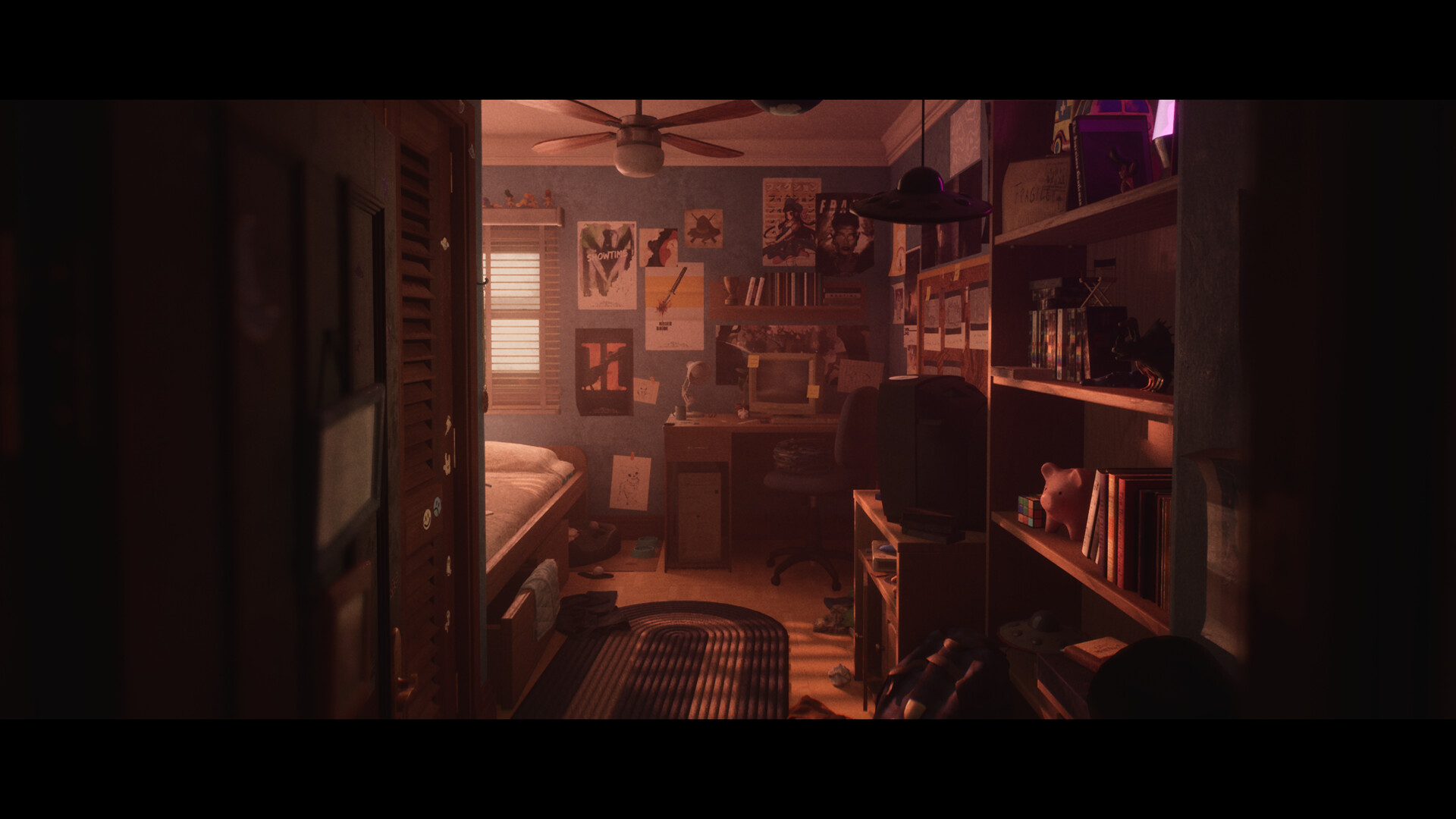
The game is built on the Unreal Engine and relies on a remarkably high level of visual detail for such a small production, something that helps a lot to make Sam's house feel real before it starts to crack. That contrast between what is recognizable and what progressively stops making sense is probably the most effective weapon in the entire game: you don't need to show too much to generate tension, because fear comes from recognizing your own space and, at the same time, noticing that something in it no longer fits.
Puzzles that think like Sam, not like the player
In playable terms, LUTO moves within the mold of the horror walking simulator, with small touches of survival horror in its approach to exploration and puzzle-solving. There's no combat, no inventory to manage, and no traditional defeat conditions: it's all about walking around the house, examining objects with a central cursor, and connecting clues scattered among documents, worn photographs, and recordings. Some of these puzzles ask for a fairly literal reading of the environment, such as finding specific keys or objects to unlock passage to a new area, while others require much more symbolic, almost dreamlike thinking, consistent with the internal and broken logic of Sam's mind.
This is also where the game generates the most discussion among those who played it: some of those symbolic puzzles can feel a bit cryptic if one fails to tune into the particular logic proposed by each chapter, which in certain sections can cut the pace of the experience. Still, in its best moments, this way of posing the puzzles achieves something unusual in the genre: making you feel like you are literally thinking like the protagonist himself, participating in his internal logic instead of simply solving generic puzzles put there to justify the length of the game.
![[Analysis] MOURNING: there are no monsters here, there are memories that don't want to leave](https://combogamer.com/wp-content/uploads/2025/08/luto_07-1024x576.jpg)
Horror without the need for monsters
Something that is appreciated about LUTO is its decision not to rely on classic supernatural creatures or easy scares to generate fear. The terror here comes from somewhere else: from silence, from empty spaces, from the constant feeling of reliving something that cannot be changed no matter how many times it is turned. It is an approach to the genre much closer to emotional anguish than to spectacle, and that narrative honesty is probably what has most earned the game the affection of both critics and the public, even among those who are not normally too fans of slower psychological horror.
The total duration, of just a few hours, plays in favor of that intensity: LUTO does not allow itself to stretch its proposal any longer than necessary, and prefers to close its story at the moment just before the resource of the changing house begins to feel repetitive. As the debut of a new studio, it is an exceptional calling card, and makes it quite clear that Broken Bird Games has a genuine talent for telling uncomfortable and deeply human stories through the language of video games, something that not all studios, large or small, manage to find so quickly.

My Truth: Who should cross this door?
I finished Mourning and I can say that it is an imperfect work—the uneven puzzles hinder its pace, and the ending is a bit cryptic—but also a milestone of Spanish horror. Play as Samuel forces you to: slow, attentive to the rustling of the walls, accepting that some wounds do not close; They just become part of who you are.
MourningIt is available on PS5, Xbox Series and PC. If you go in, do it at night, quietly and without rushing. The duel does not understand watches.
«Houses don't trap ghosts. "Ghosts build houses so they don't feel alone."
— Annotation in the margin of Samuel's diary, burned page.


Related Articles
![[Analysis] Celestial Return: Losing the dice is also losing the game](https://combogamer.com/wp-content/uploads/2026/07/celestialreturn_keyart-300x182.jpg)
![[Analysis] Mixtape: the narrative adventure that turns a 90s mixtape into an unforgettable video game](https://combogamer.com/wp-content/uploads/2026/07/mixtape-poster-300x160.png)
![[Analysis] Scholar Adventure: Mystery of Silence — A Journey to an Abbey that Whispers Secrets](https://combogamer.com/wp-content/uploads/2026/06/Scholar-Adventure-Mystery-of-Silence_poster-300x169.png)

![[Analysis] OUTBLAST — When 2000s Arcade Puts on the VR Goggles (and Still Unimpressed)](https://combogamer.com/wp-content/uploads/2026/06/OUTBLAST-poster-300x172.jpg)
![[Analysis] NODE: The Last Favor of the Antarii — Program Every Leap to Save the World](https://combogamer.com/wp-content/uploads/2026/06/NODE-poster-300x169.jpeg)