

Table of Contents
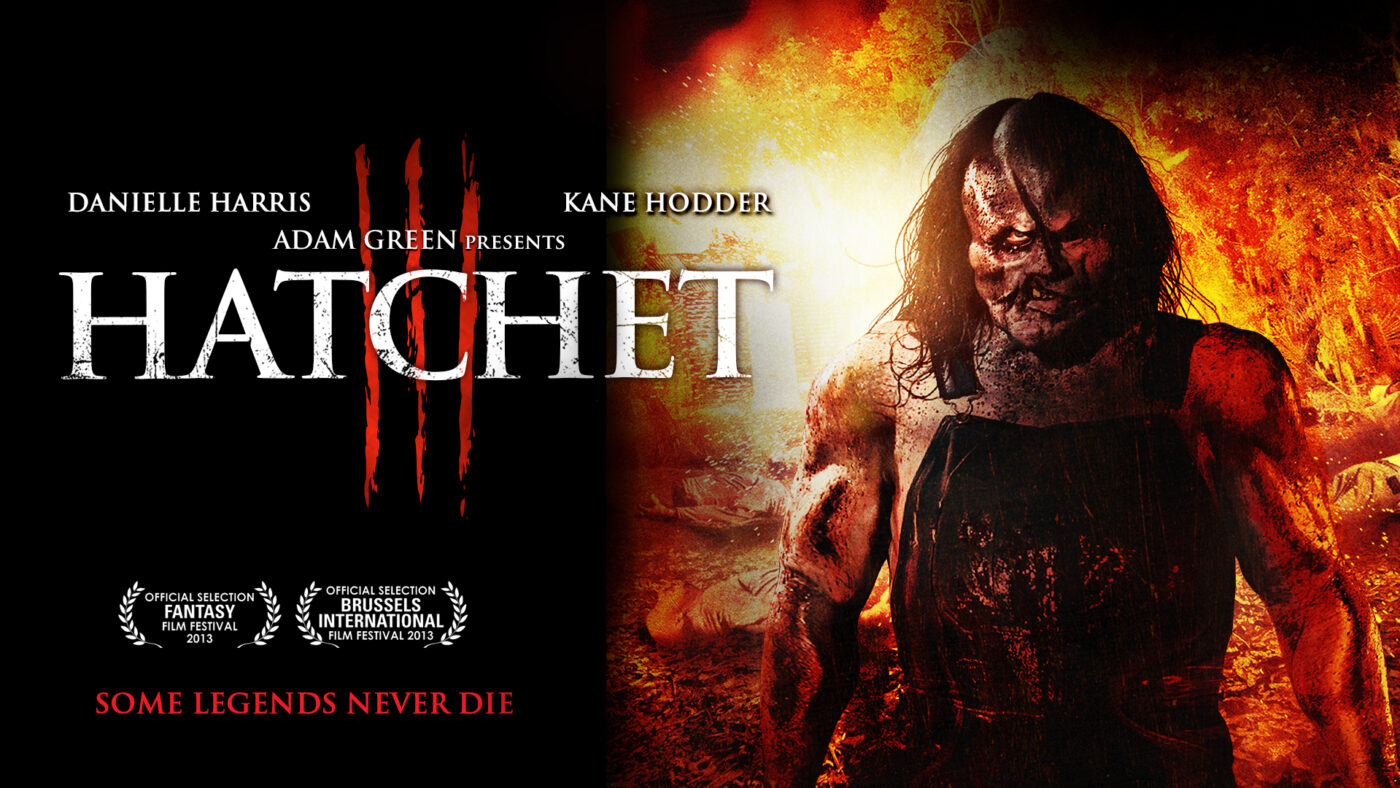
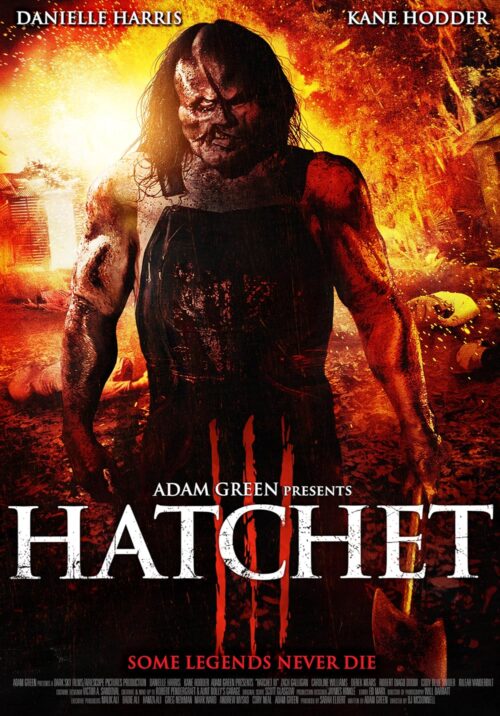
Within modern slasher cinema there are few sagas that have embraced excess with as much honesty as Hatchet. While much of contemporary horror began to lean towards more psychological or atmospheric proposals, Adam Green decided to build a franchise completely in love with gore, impossible murders and the spirit of the most uncontrolled slasher of the eighties. Hatchet III continues exactly along that path, but it does so by taking even further everything that already defined the previous installments.
The film picks up the events immediately after the end of Hatchet II. Marybeth momentarily escapes Victor Crowley after a brutal confrontation in the Honey Island swamp, but the nightmare is far from over. The authorities arrive at the scene believing that they are facing a simple murder scene, without really understanding what inhabits that area. And, as always happens in this saga, the ignorance lasts very little before the mutilations begin.
From the beginning, Hatchet III makes it clear that he has no intention of changing the tone of the franchise. It does not seek to reinvent itself or transform itself into something more “serious.” Quite the opposite: he understands perfectly what kind of film it is and gives himself completely to it. The result is a slasher that functions as a celebration of over-the-top gore, dark humor, and murders specifically designed to leave the viewer wondering how the hell they managed to film something like that.
Victor Crowley remains the true center of the saga
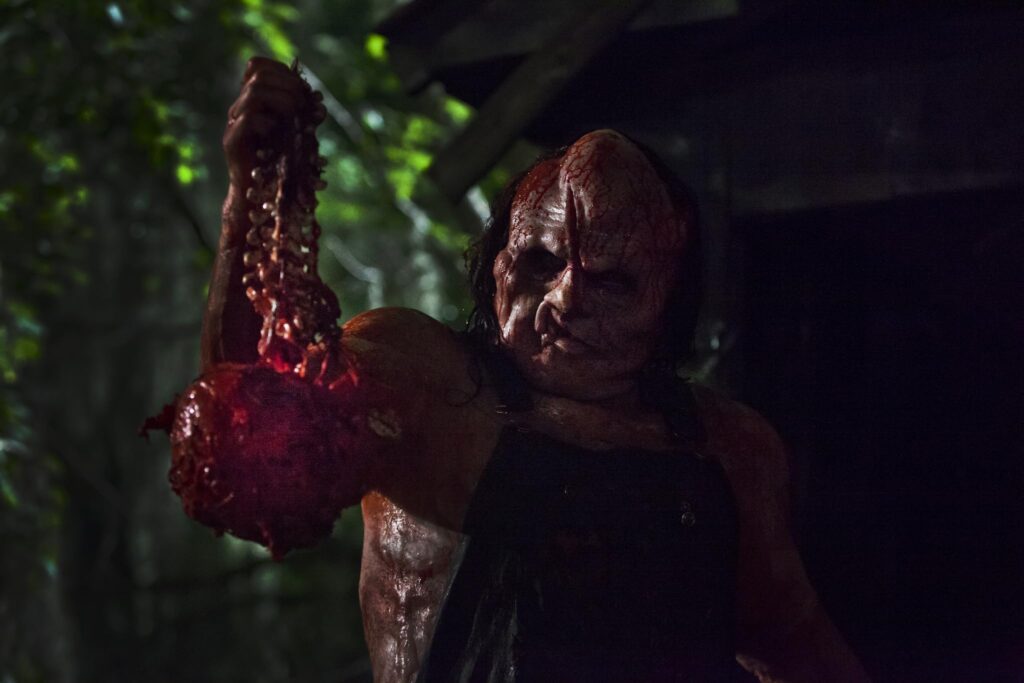
Although Marybeth continues to function as the protagonist, the reality is that the heart of Hatchet III He's still Victor Crowley. The saga has always revolved around this monstrous figure clearly inspired by the great icons of the classic slasher, mixing elements of Jason Voorhees with even more grotesque physical brutality.
Crowley doesn't need much psychological depth to function. His presence is sustained mainly by the visual impact and the extreme violence with which he eliminates anyone who is unlucky enough to cross his path. The film understands this perfectly and uses each appearance of the character as an excuse to build new sequences of absurd destruction.
The interesting thing is that, despite the exaggerated tone, Crowley never ends up becoming a complete parody. He remains an intimidating physical threat, especially with the way the film works his presence within the swamp. Every time he appears, the atmosphere changes immediately, as if the place itself responds to him.
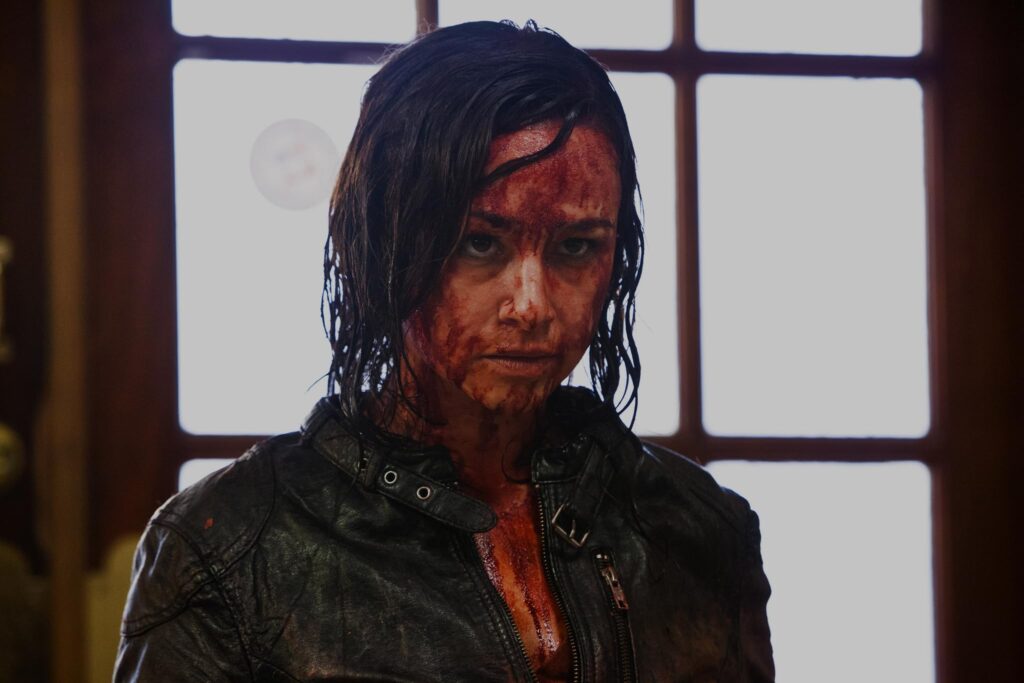
Danielle Harris returns as Marybeth and maintains that “final girl” energy marked by trauma and obsession. His character is no longer simply someone trying to survive, but someone consumed by the need to put an end to Crowley for good. That obsession gives a certain emotional continuity to the story, although clearly the main focus remains on the bloody spectacle.
A slasher that perfectly understands what it wants to be
One of the biggest problems with many modern slashers is that they seem ashamed of their own roots. They constantly try to justify their violence with unnecessary layers of depth or end up diluting the entertainment by trying to be more “elevated.” Hatchet III never falls into that.
The film knows exactly what its proposal is: ridiculously brutal murders, gallons of fake blood, absurd humor and characters condemned to die in increasingly creative ways. And instead of hiding it, it makes it its main attraction.
The rhythm also helps a lot. The story wastes almost no time and moves quickly from one bloody sequence to another. There are no great introspective pauses or excessively complex developments. Each scene exists to bring the viewer closer to the next moment of absolute chaos.
That may work against those looking for a more elaborate narrative, but within the type of cinema it tries to represent, it works quite well. Hatchet III understands that the public coming to a third installment of this saga is not expecting subtlety. You're expecting exploding heads, mangled bodies, and completely over-the-top situations.
And the film delivers exactly that.
Gore as spectacle
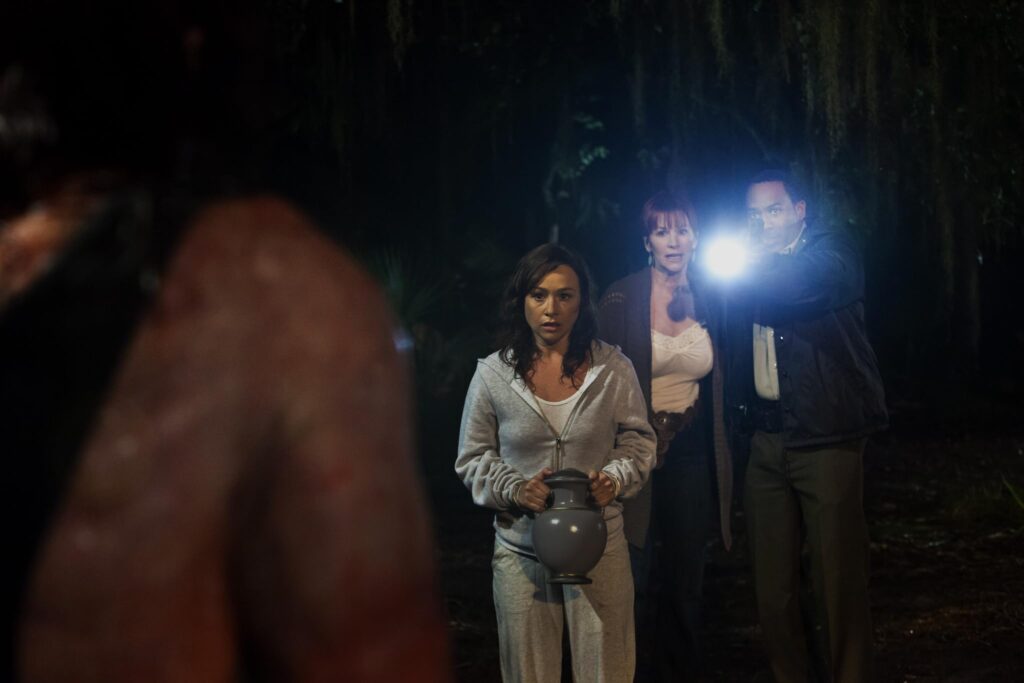
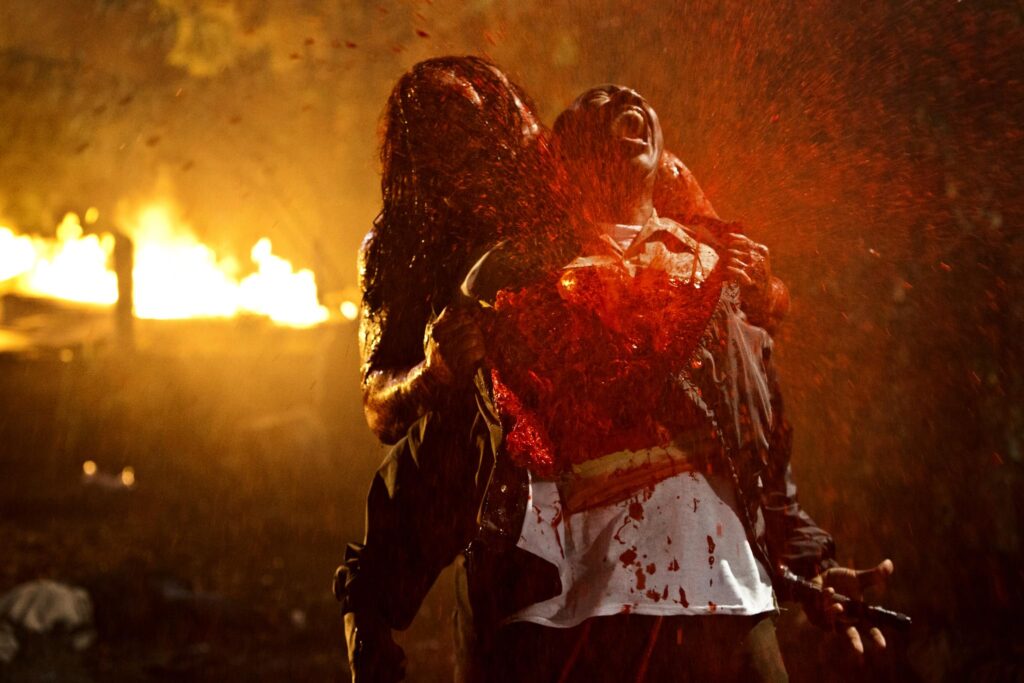
If there is something that defines Hatchet III, it's the way he turns each murder into some kind of event. The deaths are neither quick nor discreet. They are grotesque, exaggerated and deliberately excessive, to the point that they often border on absolute black humor.
The interesting thing is that a large part of these effects are still carried out in a practical way, something that is very noticeable on the screen. There's texture, physical weight, and a sense of grime that helps make the violence much more entertaining than the generic digital gore that dominates many current productions.
The film seems to constantly compete with itself to see what the next impossible mutilation will be. Limbs torn off, torsos destroyed, faces deformed; everything is designed to provoke an immediate reaction in the viewer, whether it's an uncomfortable laugh or outright disbelief.
But behind all that excess there is also a very clear understanding of the classic slasher. Hatchet III It works almost like a love letter to that exploitation cinema where the main objective was to entertain the public through the wildest visual impact possible.
The swamp as a perfect setting
The environment continues to be one of the most important elements of the saga. The swamp of Honey Island functions not simply as a backdrop, but as an extension of the violence that defines Victor Crowley. Everything feels damp, dirty and trapped in time.
The film takes advantage of that feeling of isolation very well. Even when police and armed teams appear, the place constantly conveys the idea that entering there means losing any control over the situation. The swamp seems to belong entirely to Crowley, as if normal rules cease to exist as soon as someone crosses certain boundaries.
Visually, this helps a lot to maintain the identity of the franchise. There is a very specific aesthetic in Hatchetthat mixes amusement park horror with classic southern slasher, and Hatchet III It is probably one of the installments that best takes advantage of that visual identity.
Black humor and absolute excess
Another important aspect is the tone. The film never tries to be completely serious, and that ends up working in its favor. Black humor runs through practically the entire experience, especially in the exaggerated way in which deaths occur and how some characters react to absurdly violent situations.
This allows the film to maintain a constant energy without becoming too heavy, even when the violence reaches completely ridiculous levels. There's a constant feeling that everything is intentionally pushed to its limits, as if the film wants to constantly remind you that it's designed to be a wild, uncontrolled experience.
That balance between terror, gore and humor is precisely what has kept the saga alive within the cult circuit. Hatchet It never aspired to compete with the most prestigious horror of the moment, but rather to offer something much more direct and honest: unfiltered bloody fun.
A sequel made for fans of the classic slasher
Hatchet III It probably won't convert new viewers into fans of the genre if they no longer connect with this type of cinema. Its proposal is extremely specific and does not attempt to soften any of its excesses to appeal to a broader audience.
But that's exactly where much of its charm lies. It's a film clearly made by people who love the classic slasher and fully understand what elements make these types of experiences tick. There is no cynicism or feeling of an automatically manufactured product. Everything feels exaggerated because it wants to be exaggerated.
The presence of Kane Hodder as Victor Crowley remains fundamental in that sense. His physique, his movements and the almost cartoonish brutality of the character end up making him one of the most entertaining modern slashers, especially for those who grew up watching franchises like Friday the 13th.
Conclusion
Hatchet III It doesn't try to reinvent the genre or transform itself into a sophisticated horror film. What it does is completely embrace the spirit of the wildest classic slasher and take it to the extreme with an honesty that is difficult not to enjoy if you connect with that type of cinema.
The story functions primarily as an excuse to continue expanding Victor Crowley's mayhem, but it does so with enough energy, creativity, and love of practical gore to stay entertaining pretty much the entire time.
It may not have the depth of other modern horror offerings, but it doesn't need it either. Its goal is to offer blood, exaggerated violence and pure entertainment, and in that it delivers perfectly.
Es cine slasher sin vergüenza, sin frenos y completamente consciente de lo absurdo que puede llegar a ser. Y precisamente por eso funciona tan bien dentro de lo que propone.
Curiosities about Hatchet III
- Kane Hodder, conocido por interpretar a Jason Voorhees en varias películas de Friday the 13th, volvió a interpretar a Victor Crowley en esta entrega.
- Danielle Harris se convirtió en una de las figuras más reconocibles del terror moderno gracias a su participación tanto en halloween como en la saga Hatchet.
- Muchas de las escenas gore utilizaron efectos prácticos tradicionales en lugar de CGI, algo que la franquicia siempre defendió como parte de su identidad.
- Adam Green no dirigió esta tercera entrega, aunque siguió involucrado como guionista y productor para mantener el tono de la saga.
- La franquicia está llena de cameos de actores legendarios del terror, funcionando casi como una celebración del género slasher.
- Victor Crowley fue diseñado deliberadamente como un homenaje a los asesinos clásicos de los ochenta, especialmente Jason Voorhees y Leatherface.
Related Articles
![[HorrorScience] Obsession: turning the classic "be careful what you wish for" into a nightmare](https://combogamer.com/wp-content/uploads/2026/07/obsession-poster-300x169.jpg)
![[HorrorScience] Backrooms: the A24 film that turned an internet creepypasta into a horror phenomenon](https://combogamer.com/wp-content/uploads/2026/07/backrooms-poster-300x169.jpg)
![[HorrorScience] Victor Crowley (Hatchet IV): The fourth installment that arrived without warning](https://combogamer.com/wp-content/uploads/2026/06/victor_crowley-poster-300x169.jpg)
![[HorrorScience] Number 23 (2007)](https://combogamer.com/wp-content/uploads/2026/05/El-numero-23-banner-largo-300x169.jpg)
![[HorrorScience] Hokum: When a bitter writer meets an Irish witch](https://combogamer.com/wp-content/uploads/2026/06/hokum-poster-300x169.jpg)
![[HorrorScience] The man who could cheat death](https://combogamer.com/wp-content/uploads/2026/04/The-man-cheated-death-banner-300x165.png)