

Table of Contents
- The Plot: The Personal Cost of Creation
- Gameplay: Exploration and puzzles with survival sections
- Graphics and atmosphere: A forest that transmits restlessness
- Sound and voice: An important layer with ups and downs
- Personal opinion: A proposal with good intentions but irregular results
- Conclusion: A trip to the forest that leaves mixed feelings
Project Songbird left me with a divided impression from the start. Could it have been because of my previous expectations? Primarily developed by Conner Rush under FYRE Games and released on March 26, 2026, this first-person narrative horror title places you as Dakota, a musician seeking to overcome her creative block by isolating herself in a cabin in the Appalachian woods. The idea of mixing artistic combat with supernatural elements has potential, but the execution feels uneven: there are atmospheric moments that work well, while others are diluted into basic mechanics or transitions that don't always flow naturally.
The Plot: The Personal Cost of Creation
The story revolves around Dakota, who arrives at the cabin with the intention of recording her next album and ends up confronting traumas and presences that seem to arise from her own mind. The creative block becomes something more tangible when abstract anomalies and entities lurk in the forest and within the cabin itself. The narrative unfolds primarily through exploration, audio recordings, and encounters that reveal layers of personal pain, loss, and the pressure of artistic creation.
You progress by collecting clues that connect Dakota's creative process to external forces that distort reality. There's an introspective tone that attempts to explore themes like grief and creative identity, but at times it feels a little forced or less profound than it promises. The most effective moments occur when the personal mixes with the supernatural, although the story progresses quite linearly and does not always surprise with its revelations.
Gameplay: Exploration and puzzles with survival sections
The game focuses on first-person exploration and solving puzzles that usually involve objects in the environment or mechanisms related to music recording. Some puzzles are well-integrated and require you to observe details or combine items logically, creating satisfaction when you solve them. Progression progresses through the cabin and surrounding forest, with sections where you must avoid or confront anomalies using limited resources.
The combat and stealth sections are more basic - you run, hide, or use the environment to escape - but they don't always feel polished. There are moments where the tension is built well, but others where the mechanics become repetitive or frustrating due to a lack of clarity. The length is compact (around 4-6 hours), which helps keep the pace without going on too long, although at times it feels like some ideas could have been developed further.
It reminded me a little ofGo Home Anniedue to its short duration, although it was later updated and content was added, and in its execution in general it is better done and more enjoyable. Still, I'll always like the cabin and forest setting, so that's a big plus here.
![[Analysis] Project Songbird: The creative block that turns into a nightmare in the Appalachian forests](https://combogamer.com/wp-content/uploads/2026/03/project-songbird_01-1024x576.jpg)
![[Analysis] Project Songbird: The creative block that turns into a nightmare in the Appalachian forests](https://combogamer.com/wp-content/uploads/2026/03/project-songbird_02-1024x576.jpg)
![[Analysis] Project Songbird: The creative block that turns into a nightmare in the Appalachian forests](https://combogamer.com/wp-content/uploads/2026/03/project-songbird_03-1024x576.jpg)
Graphics and atmosphere: A forest that transmits restlessness
The visual style has a cinematic feel with detailed sets that capture the beauty and menace of the Appalachian forests. The lighting and effects create moments of unease, especially when reality seems to distort. Some environments and transitions look neat, although in general the indie budget is noticeable and there are times when the technical details (such as animations or asset loading) do not completely convince.
The atmosphere is one of the most consistent aspects: the isolation of the cabin, the sounds of the forest and the anomalies that appear unpredictably generate a constant feeling of unease. It does not depend onjumpscareseasy, but of a slow accumulation ofdreadwhich works best in the more contemplative sections.
Sound and voice: An important layer with ups and downs
Ambient audio helps build tension, with forest sounds and distortions accompanying the more disturbing moments. The soundtrack contributes to the introspective atmosphere, although it does not always stand out. The dubbing, on the other hand, presents ups and downs: in some dialogues there is effort, but in general it lacks the naturalness that the story would need to have a stronger impact.
![[Analysis] Project Songbird: The creative block that turns into a nightmare in the Appalachian forests](https://combogamer.com/wp-content/uploads/2026/03/project-songbird_04-1024x576.jpg)
![[Analysis] Project Songbird: The creative block that turns into a nightmare in the Appalachian forests](https://combogamer.com/wp-content/uploads/2026/03/project-songbird_05-1024x576.jpg)
![[Analysis] Project Songbird: The creative block that turns into a nightmare in the Appalachian forests](https://combogamer.com/wp-content/uploads/2026/03/project-songbird_06-1024x576.jpg)
Personal opinion: A proposal with good intentions but irregular results
Project Songbird has interesting ideas, especially in how it attempts to marry creative block with psychological horror. The exploration and some puzzles manage to engage, and the setting in the Appalachians has a sinister charm that is used in several moments. However, the combat and stealth sections feel basic and unpolished, and the narrative doesn't always achieve the emotional depth it seeks.
It is a title that shows indie ambition and memorable moments, but its technical limitations and irregular mechanics mean that the experience does not fully come together. It can entertain those looking for more contemplative narrative horror, and I include myself in this group, although I can't help but mention that it leaves the feeling that with more polish it could have been more impactful.
Conclusion: A trip to the forest that leaves mixed feelings
Project Songbird is available on PC (Steam), PlayStation 5 and Xbox Series X|S. If you are attracted to psychological horror with a focus on exploration and personal themes, you can give it a try, although be aware of its irregularities. If you play it, let me know in the comments if you managed to overcome Dakota's creative block!
![[Analysis] Project Songbird: The creative block that turns into a nightmare in the Appalachian forests](https://combogamer.com/wp-content/uploads/2026/03/project-songbird_portada.jpg)
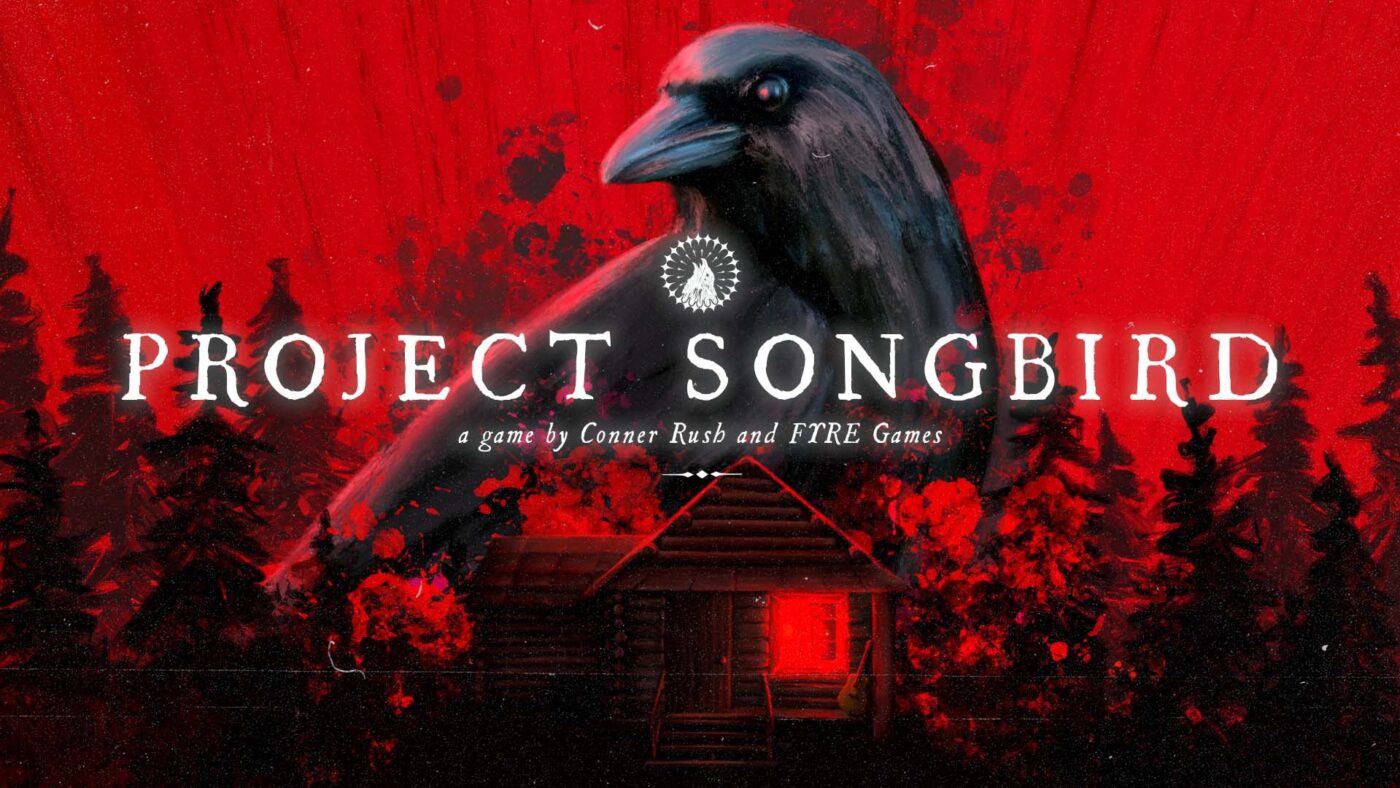
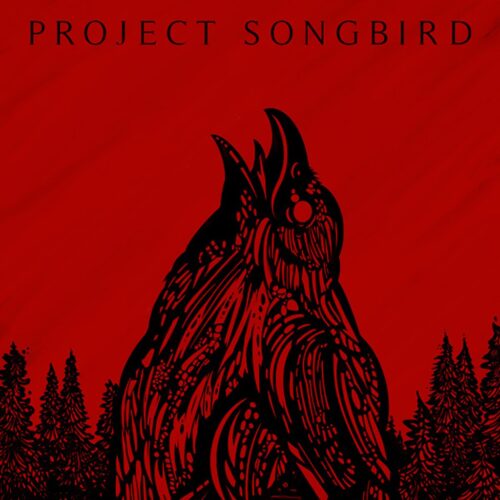
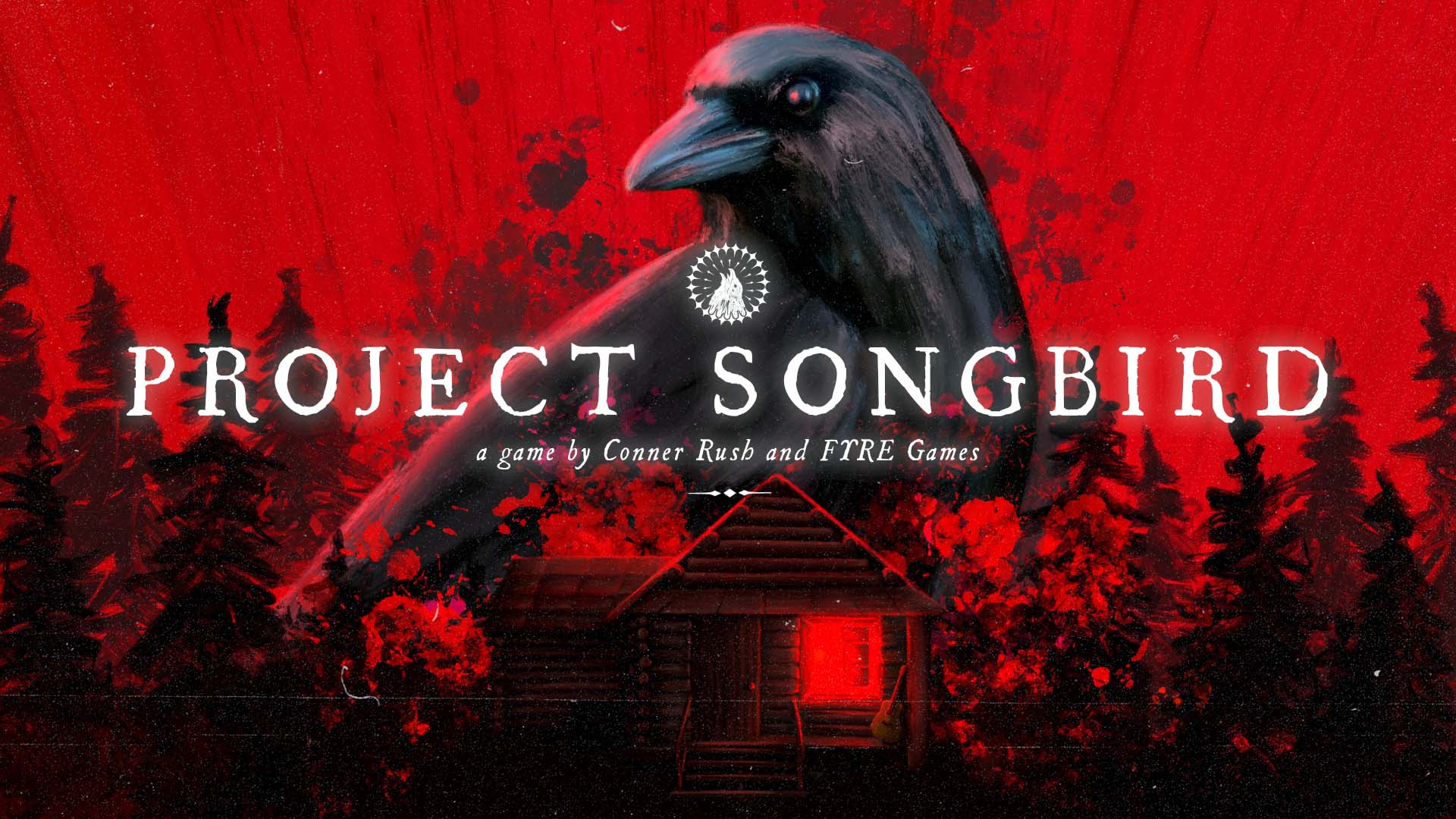
PS: Don't tell me the promotional art for the game isn't fascinating. I love it.
Related Articles
![[Analysis] Celestial Return: Losing the dice is also losing the game](https://combogamer.com/wp-content/uploads/2026/07/celestialreturn_keyart-300x182.jpg)
![[Analysis] Mixtape: the narrative adventure that turns a 90s mixtape into an unforgettable video game](https://combogamer.com/wp-content/uploads/2026/07/mixtape-poster-300x160.png)
![[Analysis] Scholar Adventure: Mystery of Silence — A Journey to an Abbey that Whispers Secrets](https://combogamer.com/wp-content/uploads/2026/06/Scholar-Adventure-Mystery-of-Silence_poster-300x169.png)

![[Analysis] OUTBLAST — When 2000s Arcade Puts on the VR Goggles (and Still Unimpressed)](https://combogamer.com/wp-content/uploads/2026/06/OUTBLAST-poster-300x172.jpg)
![[Analysis] NODE: The Last Favor of the Antarii — Program Every Leap to Save the World](https://combogamer.com/wp-content/uploads/2026/06/NODE-poster-300x169.jpeg)