

Table of Contents
- The plot: A conflict that touches the personal and the collective
- Gameplay: Puzzles that require planning and a more versatile pairing
- Graphics and atmosphere: A living, hand-painted planet
- Sound and soundtrack: An emotional layer that surrounds everything
- Personal opinion: A sequel that grows with its characters
- Conclusion: A journey worth returning to
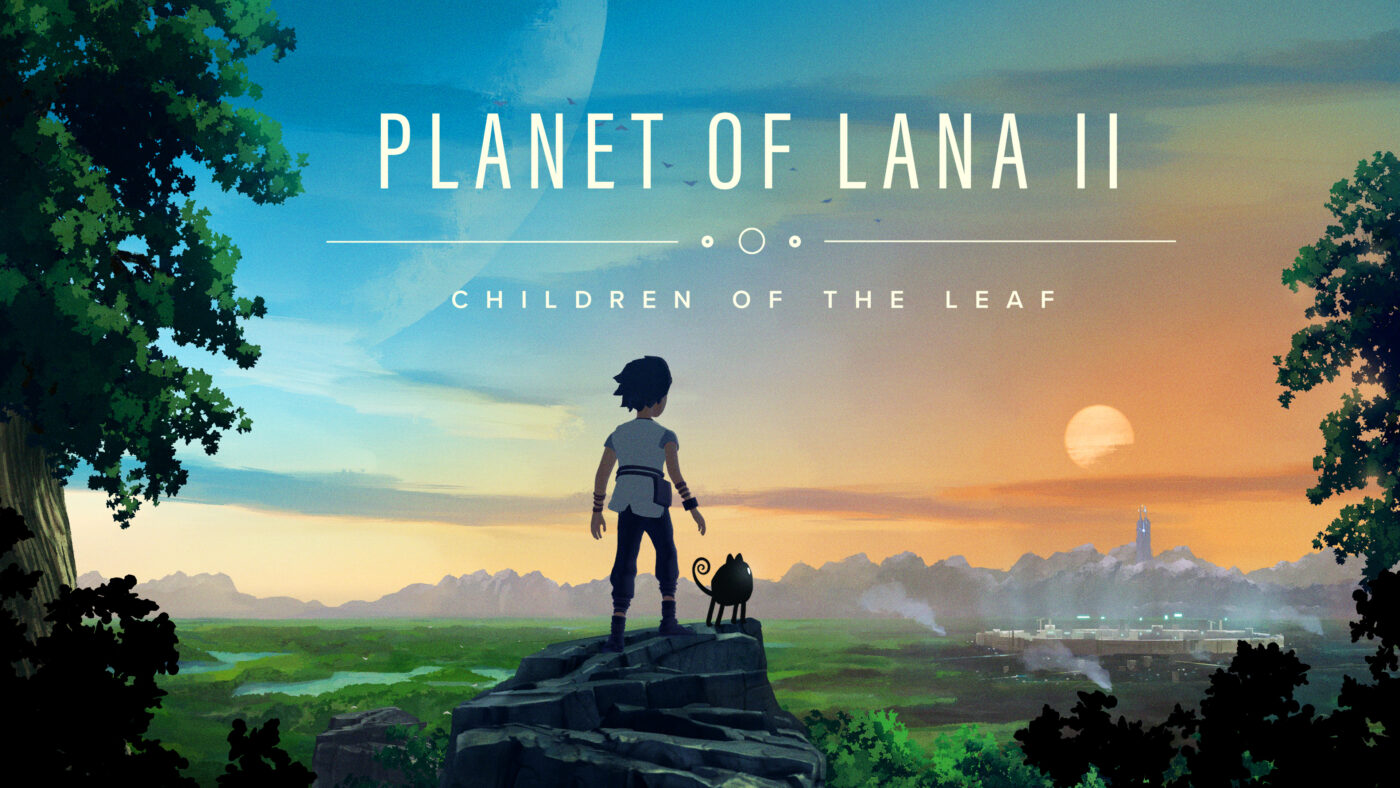
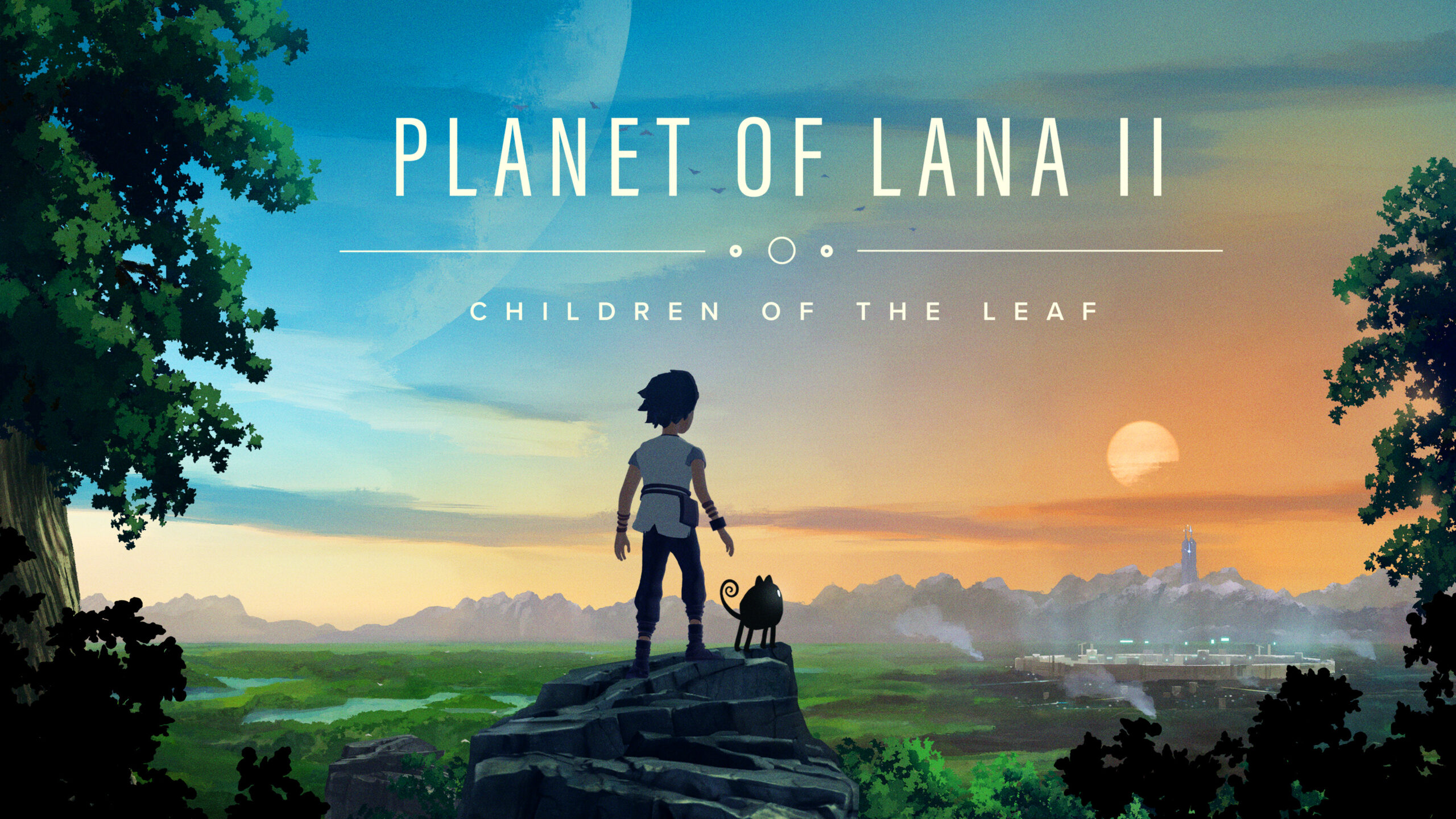
Meeting Lana and Mui again after a few years gave me that same feeling of discovery that the first Planet of Lana left, but with a maturity that is noticeable from the first minutes. Developed by Wishfully and published by Thunderful on March 5, 2026, Planet of Lana II directly continues the odyssey of the young girl and her little companion on a planet that has changed: greed and power are fracturing the tribes, and the hidden technological past begins to come to light in ways that complicate everything. It is not a radical revolution, but a natural evolution that expands what worked in 2023, and that is felt in every detail.
The plot: A conflict that touches the personal and the collective
The story places Lana in a moment of transition: more adult, more aware of the consequences of her actions, and accompanied by Mui on a mission that goes beyond the initial rescue of the first game. The planet's tribes are divided by ambitions that threaten the balance, and the duo must navigate fragile alliances while unraveling secrets about ancient civilizations that left technological and cultural imprints. The dialogue is sparse and always loaded with meaning, but the true weight falls on the visual storytelling: landscapes that tell stories of loss, ruins that hint at past mistakes, and moments of silent connection between Lana and Mui that convey a deeper relationship and mutual trust.
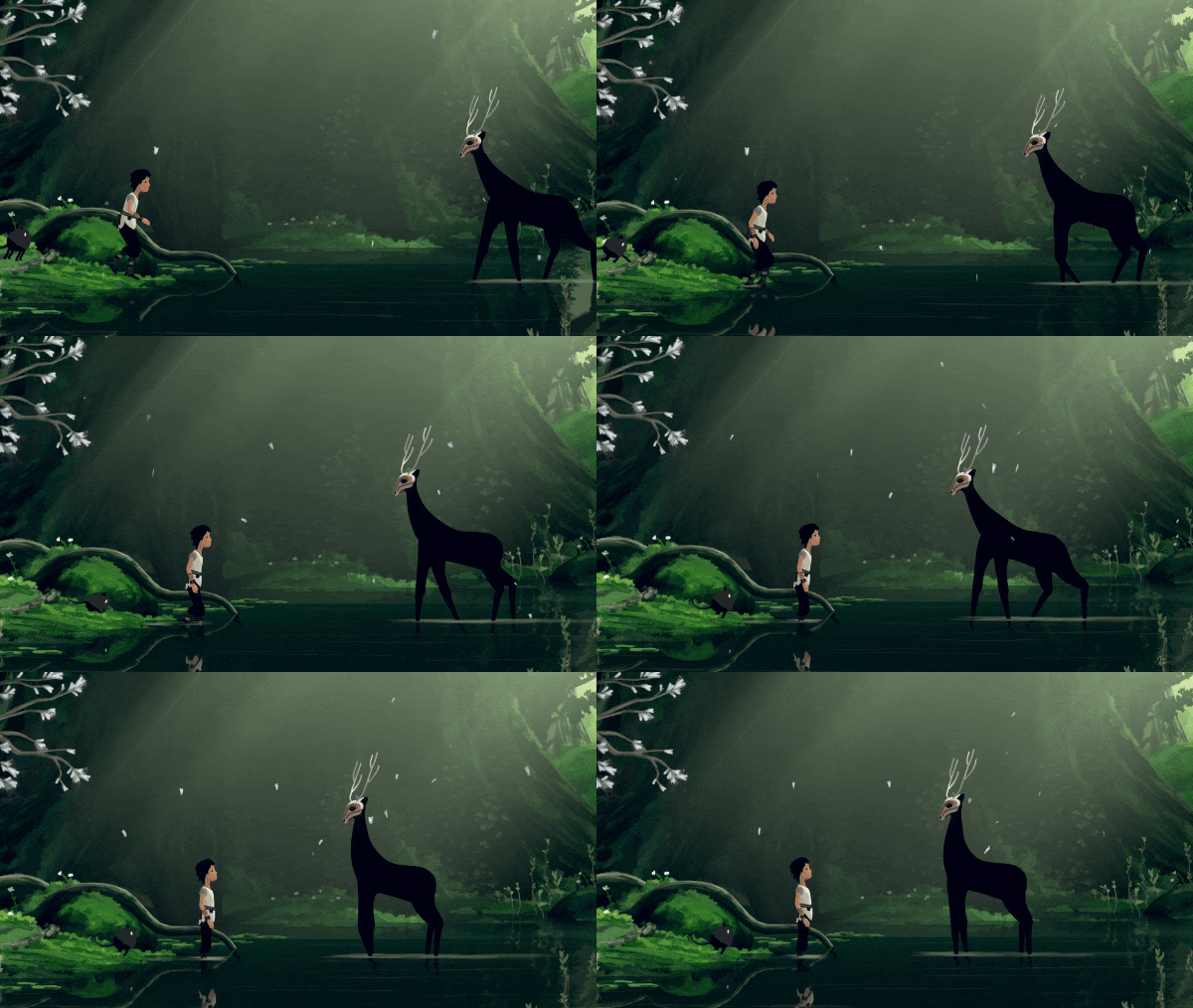
This installment feels more personal and darker than the first, but without losing the hopeful tone that defined the original. Themes of family, responsibility, and the cost of progress emerge organically as you progress, and the revelations about Mui's origin and the planet's legacy create moments that invite you to pause just to process what you have seen. There are no long exposures; everything is shown, and that makes the journey feel intimate even as the conflict escalates globally.
Gameplay: Puzzles that require planning and a more versatile pairing
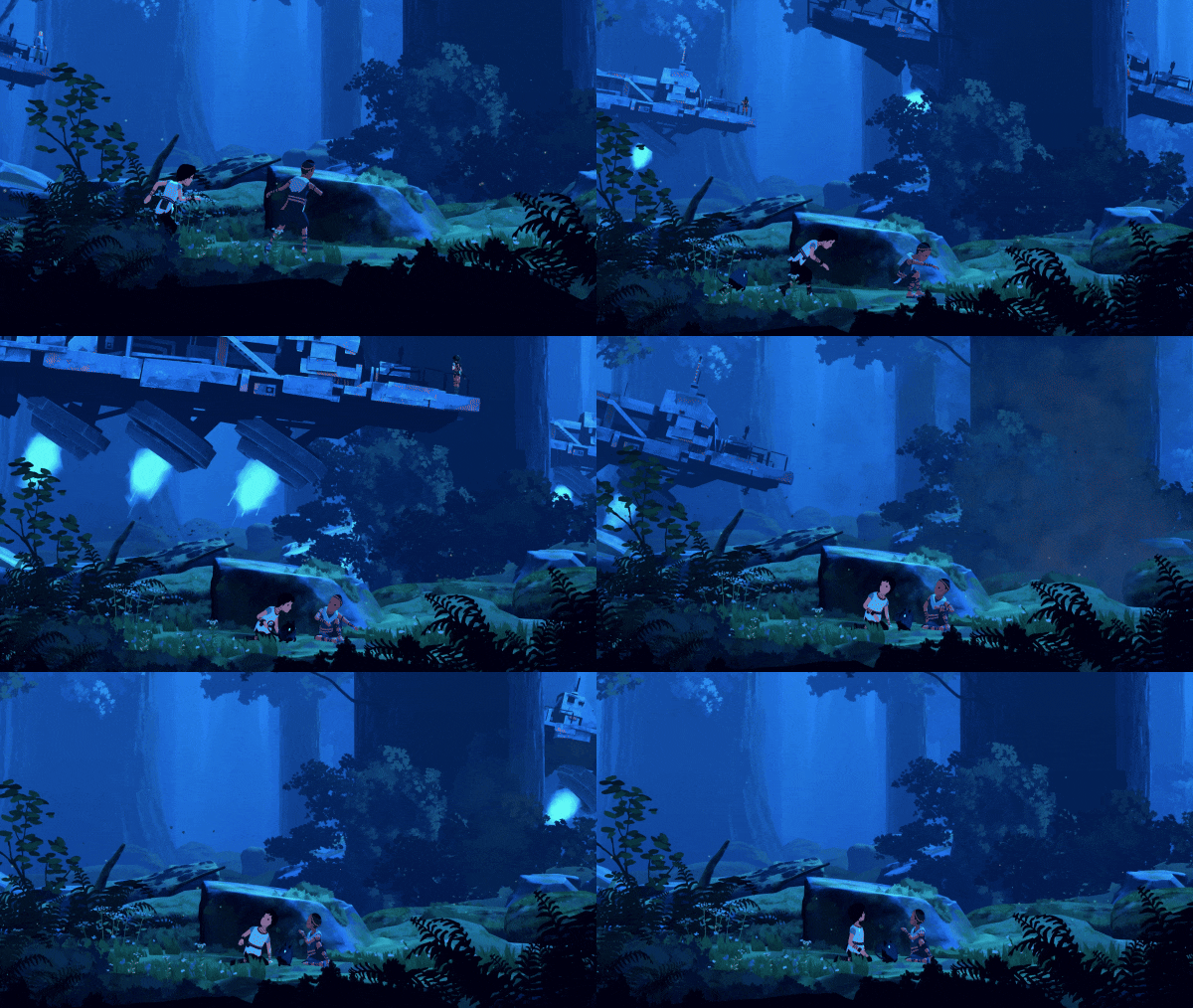
The core remainsplatformer-puzzlecinematic, but with more elaborate ideas and a progression that rewards experimentation. Lana has new movement and environmental manipulation capabilities that make her feel more capable, while Mui gains more actively complementing tools: she can interact with objects at a distance, activate mechanisms, or even distract threats in ways that open up creative routes. The puzzles require thinking several steps ahead, combining platforms, timing and environmental logic, and range from simple alignments to multi-phase sequences that integrate both characters simultaneously.
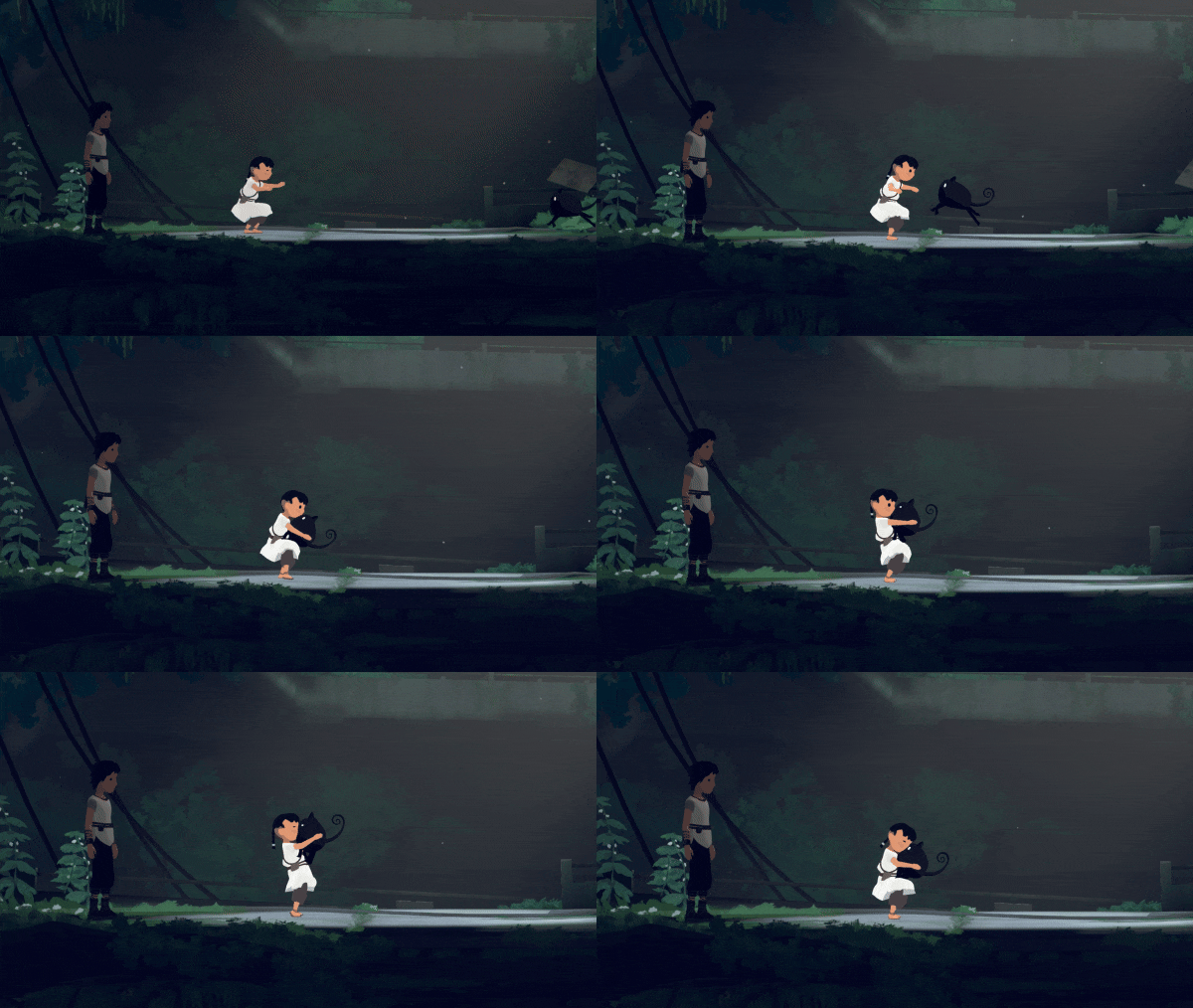
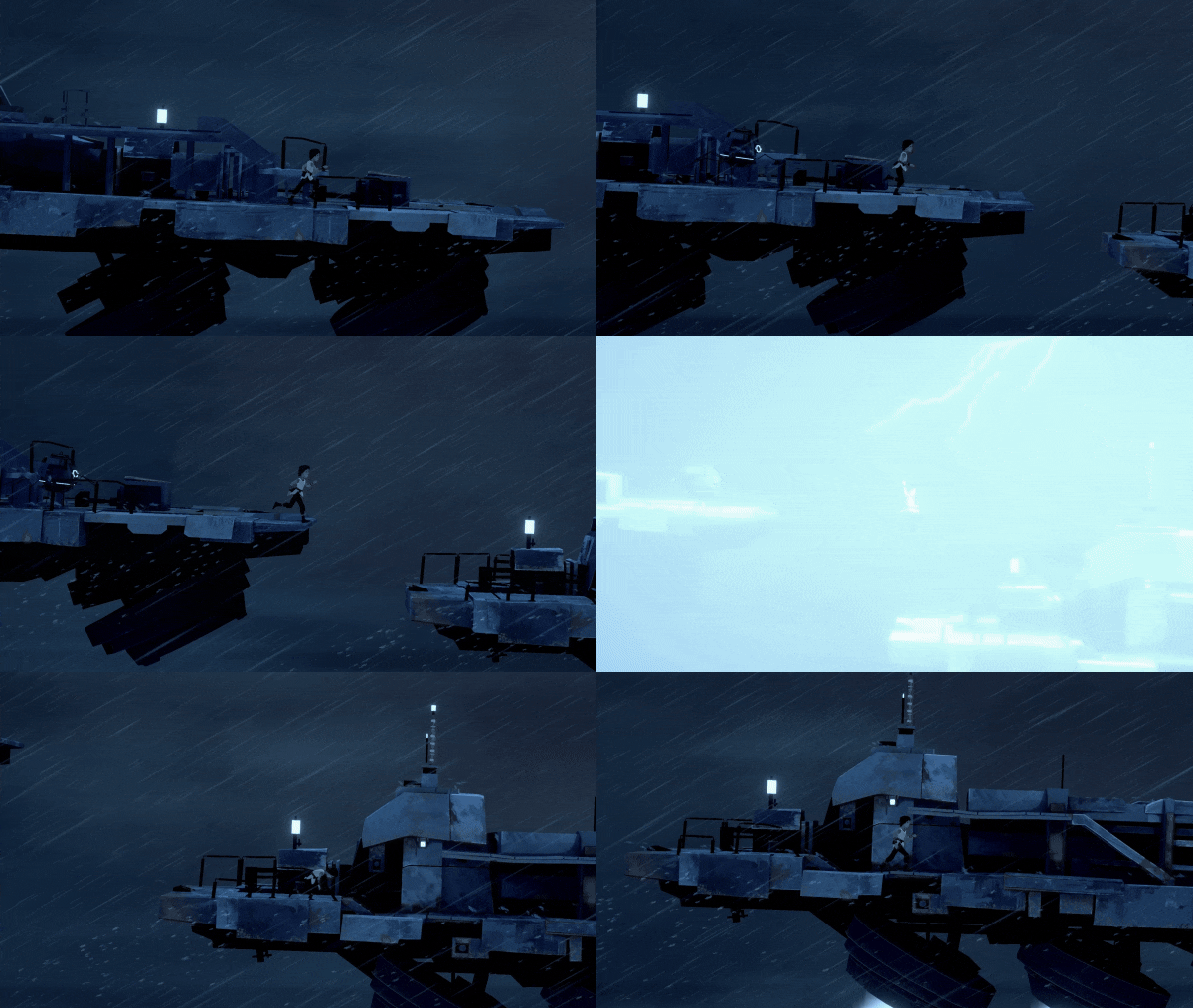
Exploration feels more open in some biomes, with alternate routes and secrets that invite you to retreat with new abilities. The rhythm alternates moments of contemplative calm with challenges that require precision, and the controls respond fluidly on both controller and keyboard (also, why the mania of continuing to play games like that with a keyboard?). The puzzles are smarter and more varied than in the first game, although the overall length of the game, as with the first installment, may leave you wanting more optional content. There are no traditional combats; the risk comes from glitches in platforms or wrong decisions in puzzles, which maintains tension without frustrating.
Graphics and atmosphere: A living, hand-painted planet
The visual section is, without a doubt, one of the points where the evolution is most noticeable. The settings capture an organic and melancholic beauty: dense jungles with curious creatures, ruins covered in vegetation that whispers ancient stories, and skies that change depending on the time of day. Lighting and particle effects bring each biome to life, making the world feel breathing and inhabited even in the most desolate areas. Lana and Mui have more expressive animations, and the interactions between them convey warmth amidst the menace.
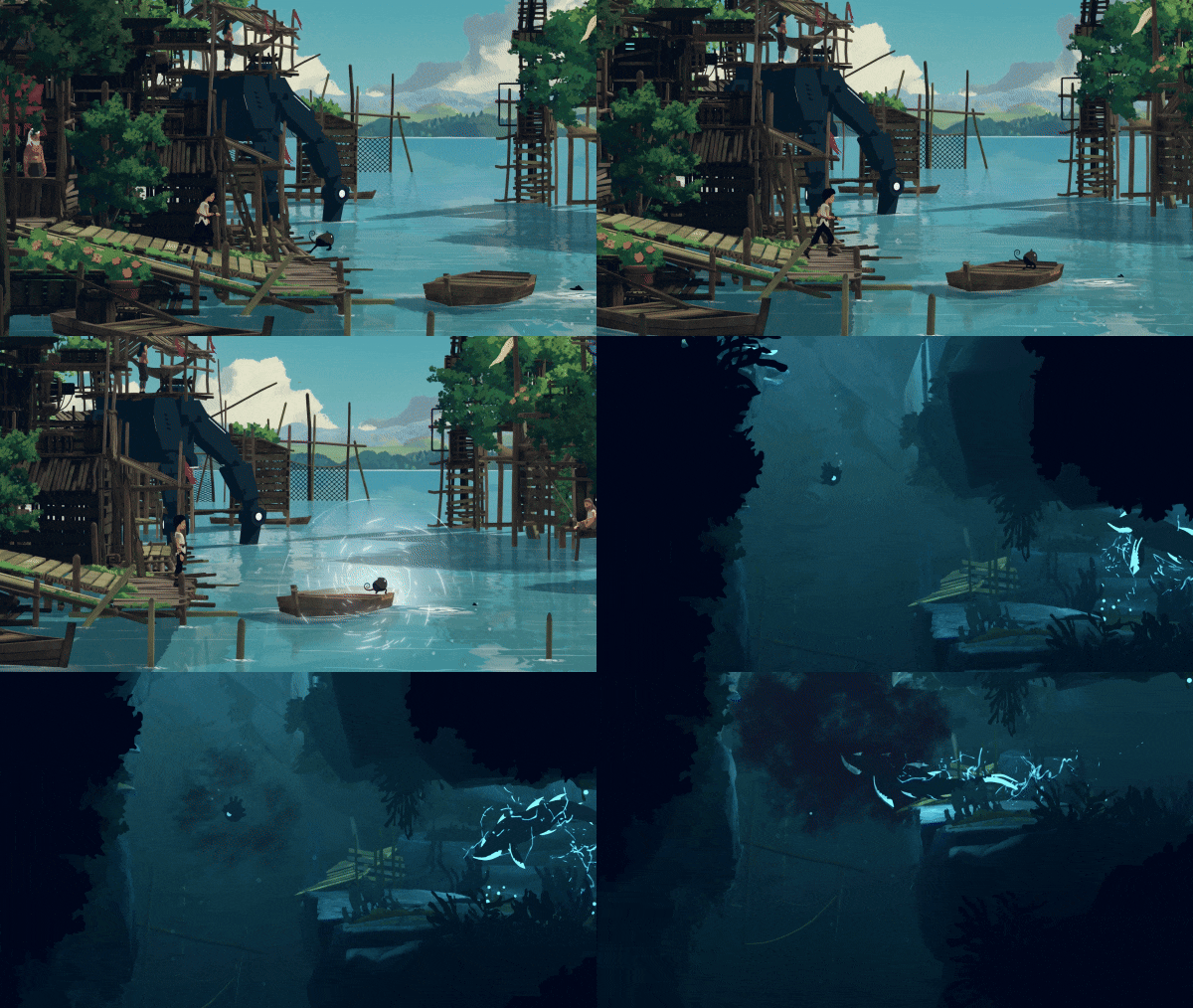
The atmosphere balances wonder and melancholy: there are moments of pure beauty that contrast with the growing darkness of the conflict, and the art direction makes each screen look like a moving illustration. Technically it runs solid on current platforms, with minimal loading times and stable performance that allows you to enjoy the details without distractions. The Switch 2 version is a luxury on a laptop, just like the PC version if you are looking for the best visual quality.
Sound and soundtrack: An emotional layer that surrounds everything
The music accompanies the journey with orchestral themes that range from serenity to restlessness depending on the scenario, reinforcing key moments without imposing themselves. Sound effects – the wind blowing through the leaves, Mui's footsteps, or ancient mechanisms activating – help make the world feel tangible. Directional audio enhances immersion, especially when exploring areas with echoes or creatures that react to noise.
Personal opinion: A sequel that grows with its characters
Planet of Lana II: Children of the Leaf feels like the next logical step for Lana and Mui: more mature, with challenges that demand a little more of you, and a story that touches deeper chords without losing the original charm. The duo remains the heart of the game, and watching their relationship evolve adds emotional weight to every decision. Some aspects, such as the short duration or lack of big mechanical surprises, may make it not stand out as much for those looking for radical reinventions, but for those who enjoyed the first, it offers exactly what they expected and a little more.
Conclusion: A journey worth returning to
Planet of Lana II: Children of the Leaf is available on PC, Xbox, PlayStation and Nintendo Switch (including Switch 2), and is coming to Xbox Game Pass on day one. If you liked the original or are simply looking for a cinematic adventure with heart and clever challenges, this is a return that rewards the wait. If you play it, tell me in the comments which moment with Mui excited you the most!
Related Articles
![[Analysis] Celestial Return: Losing the dice is also losing the game](https://combogamer.com/wp-content/uploads/2026/07/celestialreturn_keyart-300x182.jpg)
![[Analysis] Mixtape: the narrative adventure that turns a 90s mixtape into an unforgettable video game](https://combogamer.com/wp-content/uploads/2026/07/mixtape-poster-300x160.png)
![[Analysis] Scholar Adventure: Mystery of Silence — A Journey to an Abbey that Whispers Secrets](https://combogamer.com/wp-content/uploads/2026/06/Scholar-Adventure-Mystery-of-Silence_poster-300x169.png)
![[Analysis] OUTBLAST — When 2000s Arcade Puts on the VR Goggles (and Still Unimpressed)](https://combogamer.com/wp-content/uploads/2026/06/OUTBLAST-poster-300x172.jpg)
![[Analysis] NODE: The Last Favor of the Antarii — Program Every Leap to Save the World](https://combogamer.com/wp-content/uploads/2026/06/NODE-poster-300x169.jpeg)