

Table of Contents
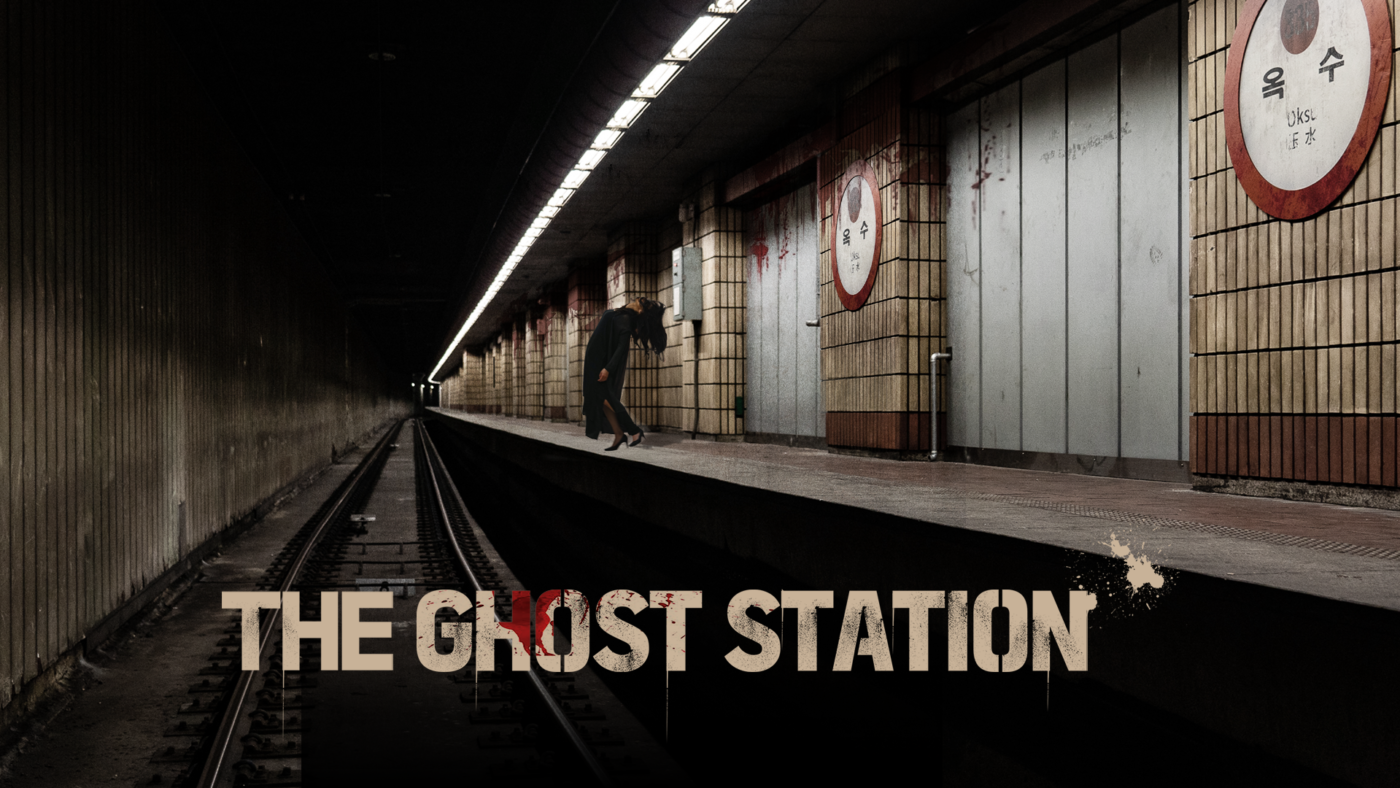
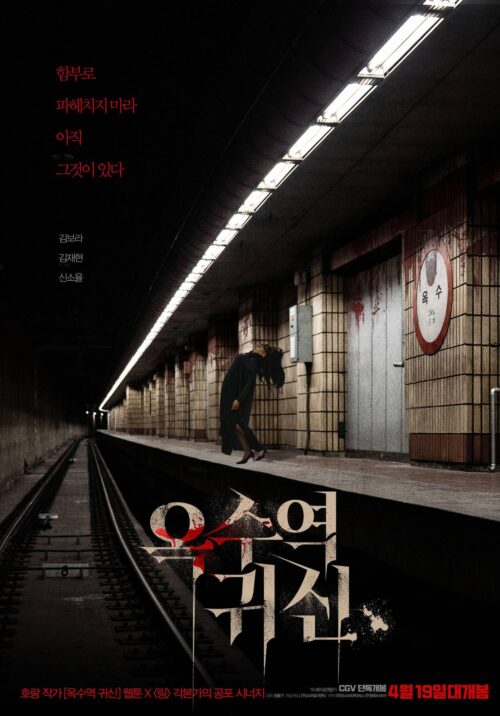
The Ghost Station(2023), also known asOksu Station GhosteitherOgsuyeog gwisin, is a Korean horror film directed by Jeong Yong-ki that adapts the popularHorang webtoon. The story follows a reporter for a tabloid news site who, pressured by her boss to find a viral story, investigates a series of suicides and unexplained accidents at Oksu Station in Seoul. What begins as a routine investigation turns into something much darker when he discovers connections to the place's hidden past. The film combines supernatural horror with elements of family drama and social criticism, set in an everyday urban environment that becomes oppressive and threatening.
The Investigation that Awakens the Curse
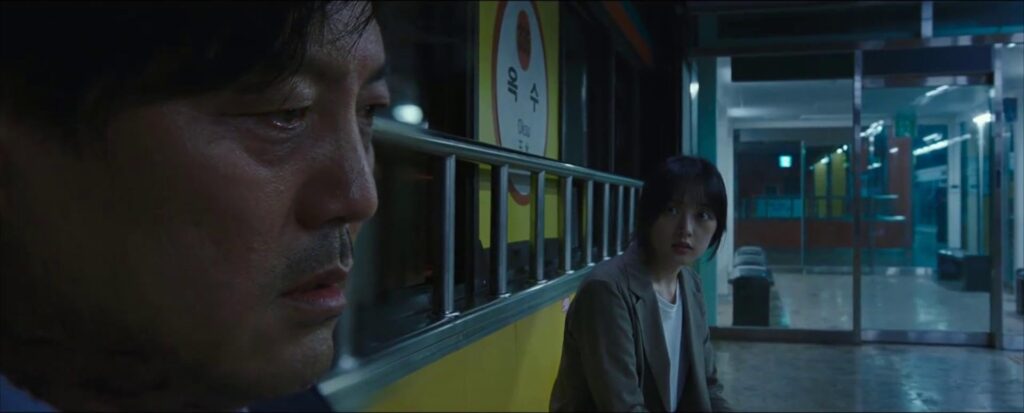
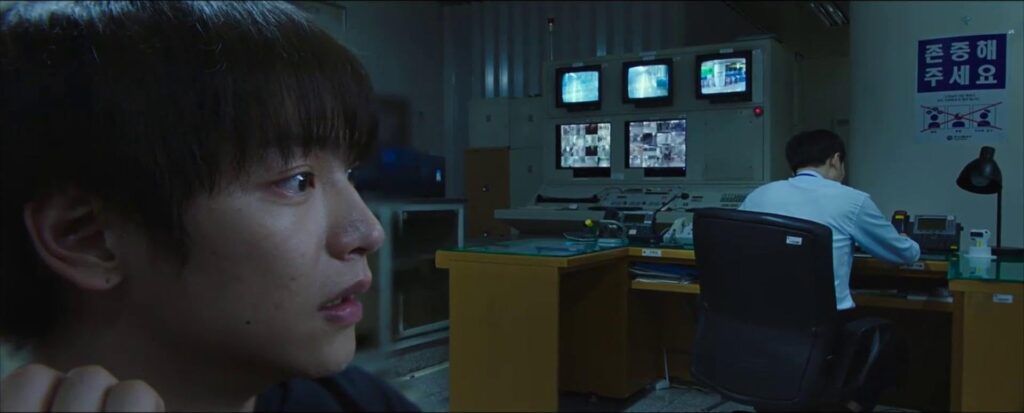
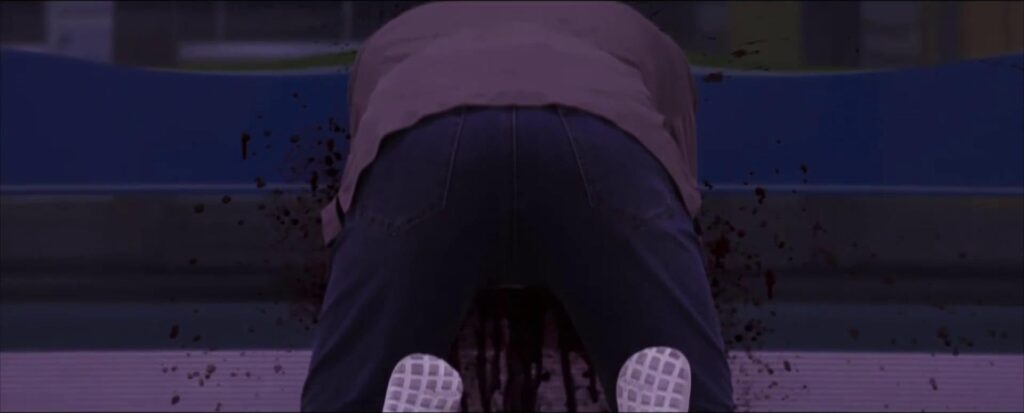
The plot begins with Kim Na-yeong, a journalist struggling to keep her job after a professional mistake. His friend Woo-won, who works at the Oksu station, tells him about a recent incident: a man commits suicide by throwing himself onto the tracks and several employees witness strange visions of children. Na-yeong sees this as the perfect opportunity to save her job and begins to investigate. Visit the station at night, interview witnesses and review security footage that shows disturbing details, such as child figures appearing and disappearing on the platforms.
As the investigation progresses, it reveals a pattern of accidents and deaths that appear connected. Those affected repeat four-digit numbers and show nail marks on their skin, as if something had scratched them from the inside. Na-yeong and Woo-won, along with other stationmates, become increasingly involved. The station, a place traveled by thousands of people daily, is transformed into a sinister space where lights flash for no reason, trains pass without stopping and shadows seem to come to life in the dark corners.
The first half of the film focuses on this slow but steady escalation. Na-yeong collects testimonies from the victims' families, consults historical archives and discovers that the station was built on land with a dark past. The subway scenes are especially effective: the echo of lonely footsteps, the silence broken by repetitive announcements, and the feeling that someone is watching from the tracks. The relationship between Na-yeong and Woo-won adds emotional tension, as fear unites them but also creates conflict when the visions become personal. The film uses the real-life environment of Oksu Station to create authenticity, making the horror feel close and possible at any station in Seoul.
The Buried Past and Cultural References
As they delve deeper, their investigation leads to an abandoned well hidden near the station, linked to an orphanage that existed decades before. There, children without names—only numbers—suffered terrible abuse and were forgotten by society. The curse of these vengeful spirits manifests itself through employees and passengers, as a reminder that past crimes do not disappear with time. The film incorporates elements of Korean and Japanese folklore, such asyūreior resentful spirits seeking justice, and the historical practice ofubasute, where the elderly or children were abandoned in remote places during times of crisis.
Oksu Station exists in real life and has spawned urban legends about ghosts, especially after accidents on its tracks. Jeong Yong-ki uses this to anchor the terror in something tangible, contrasting the modernity of the subway with the weight of repressed history. The film also criticizes the media's obsession with sensationalism: Na-yeong, initially motivated by clicks and views, ends up facing the human cost of unearthing painful truths. The pace is slow, prioritizing atmosphere over easy scares, although some moments ofjumpscaresand marks on the skin are reminiscent of J-horror classics likeThe Ring.
The reception has been mixed. Many viewers enjoy the eerie atmosphere at the station and the strong performances, especially from Kim Bo-ra as Na-yeong, who conveys desperation and determination. However, others find it formulaic and derivative of films likeThe Ring, with a predictable development and an ending that some consider abrupt or unsatisfactory. At festivals like FrightFest it received praise for its setting, but outside of Korea it is considered conventional horror that entertains without innovating too much, and I agree with the latter.
Jeong Yong-ki's Style and Its Impact
Jeong Yong-ki, known for his special effects work, directs with a focus on the claustrophobia of the subway, using tight shots and ambient sound to generate constant tension. The film avoids excessive gore and focuses on suggestion, although some scenes of childhood visions manage to be disturbing. Its short duration, around 80 minutes, maintains the pace, but leaves feelings that the background of the orphanage could have been explored more.
In summary,The Ghost Stationis a solid example of Korean horror that leverages local urban legends to create an effective tale of collective guilt and oblivion. It doesn't reinvent the genre, but it more than delivers if you're looking for a night of tension in a family environment. His greatest achievement is making an everyday subway station look like the scariest place in the world.
Curiosities aboutThe Ghost Station
- It is based on the webtoonOksu Station Ghostof Horang, which went viral for its urban legends about the royal station.
- Oksu Station exists in Seoul and has generated ghost rumors for years, especially after accidents on its tracks.
- The film's fictional orphanage is inspired by historical Korean practices of child abandonment during times of poverty.
- Jeong Yong-ki incorporated J-horror elements such as vengeful spirits and cursed objects to connect with international audiences.
If you have seenThe Ghost StationWhat did you think? Share in the comments!
Related Articles
![[HorrorScience] Obsession: turning the classic "be careful what you wish for" into a nightmare](https://combogamer.com/wp-content/uploads/2026/07/obsession-poster-300x169.jpg)
![[HorrorScience] Backrooms: the A24 film that turned an internet creepypasta into a horror phenomenon](https://combogamer.com/wp-content/uploads/2026/07/backrooms-poster-300x169.jpg)
![[HorrorScience] Victor Crowley (Hatchet IV): The fourth installment that arrived without warning](https://combogamer.com/wp-content/uploads/2026/06/victor_crowley-poster-300x169.jpg)
![[HorrorScience] Number 23 (2007)](https://combogamer.com/wp-content/uploads/2026/05/El-numero-23-banner-largo-300x169.jpg)
![[HorrorScience] Hokum: When a bitter writer meets an Irish witch](https://combogamer.com/wp-content/uploads/2026/06/hokum-poster-300x169.jpg)
![[HorrorScience] The man who could cheat death](https://combogamer.com/wp-content/uploads/2026/04/The-man-cheated-death-banner-300x165.png)