

Table of Contents
- The plot of Routine: A cosmic puzzle of logs and absences
- The lore expands in layers
- Gameplay: Tactile stealth and puzzles that punish intuition
- Mechanics escalate in complexity
- Graphics and atmosphere: A retro-future that sticks in the retina
- Personal opinion: Brutal immersion with different aspects
- Conclusion: For those who tolerate emptiness
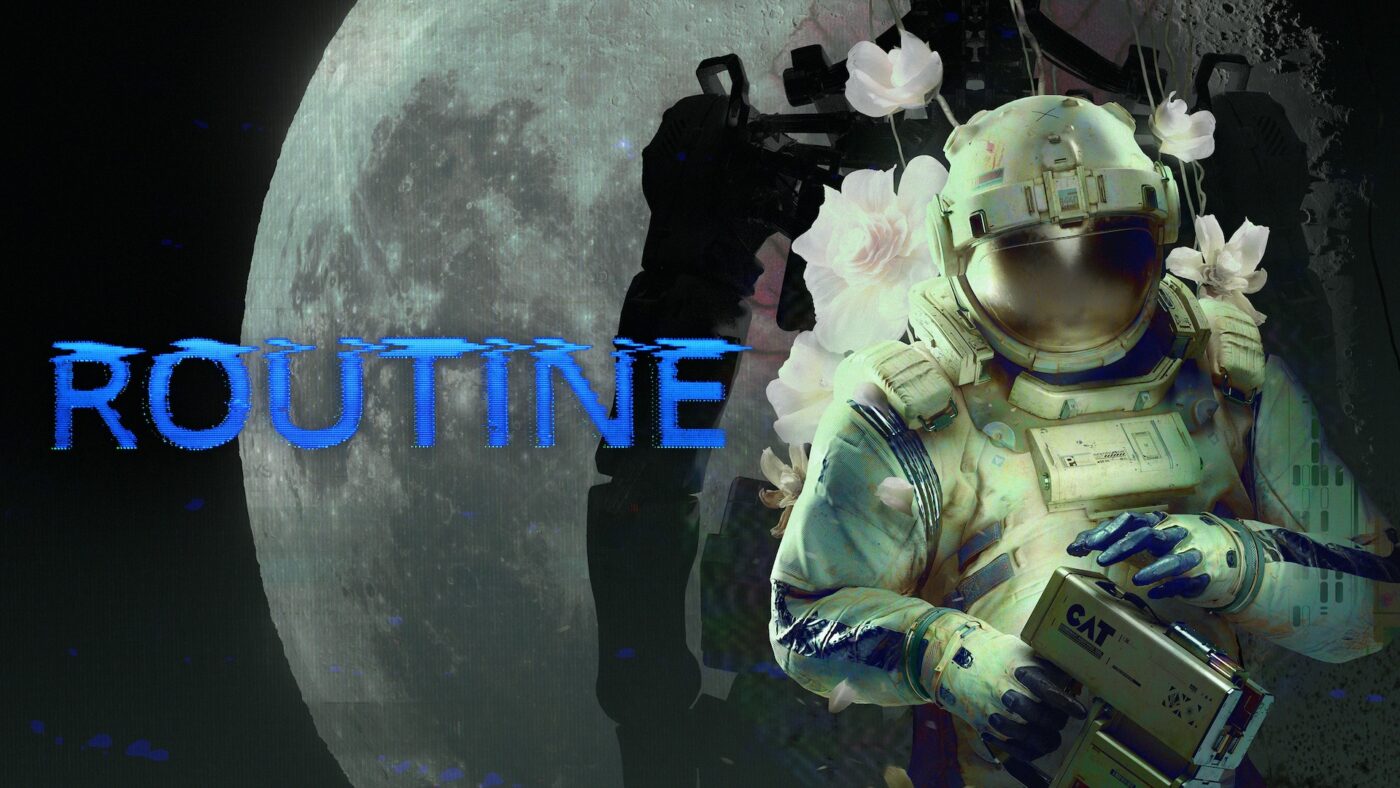
Imagine waking up in a spacesuit, with the constant hum of fans in your ears and lunar gravity making every movement feel deliberate, almost fragile. This is how Routine begins, the debut of Lunar Software published by Raw Fury on December 4, 2025, after a gestation ofmore than 13 yearswhich has generated expectation and skepticism alike.
I entered Sinclair Station with the curiosity of someone exploring a forgotten reliquary, only to find myself trapped in a cycle of controlled panic: robots that patrol with unpredictable sensors, hallways that seem to repeat themselves in an infinite loop, and scattered clues that force me to think like a desperate engineer. It's not a horror of easy jumpscares; It's an experience that forces you to confront human insignificance in a vacuum, with a design that eliminates any visual distractions like a HUD or minimap to fully immerse you.
The plot of Routine: A cosmic puzzle of logs and absences
Routine's story is built like a masterful environmental puzzle, where absence is as protagonist as what is present. You wake up as an anonymous engineer on the Union Plaza moon base, responding to a routine call that turns sinister: the crew has disappeared, leaving behind a trail of fragmented audio logs, terminals with coded inputs, and holograms.glitchedthat narrate the gradual collapse. As you progress, the logs paint a vivid portrait of daily life on the station: banal discussions about shifts, AI experiments gone wrong, and rising tensions over unexplained failures in the life support system. One of the initial logs, for example, details how a companion notices “shadows that don't match the lights,” sowing the seeds of the supernatural – or at least, the inexplicable – without revealing too soon.
Helore expands in layers
You discover that the base is part of a larger lunar colonization project in the 80s, with influencesretro-futuristic that evoke sci-fi VHS tapes of the time. There are implicit factions – ambitious corporations, scientists on the edge – and experiments with entities that transcend known physics, fusinglovecraftian horrorwith technological paranoia. The narrative twists come in waves: one audio reveals internal betrayals, another hints at external manipulations, and towards the end, the line between the mechanical and the organic blurs completely, questioning whether you are the last human or part of something worse.
In my journey, rereading logs in later contexts revealed hidden connections, such as cross-references to “containment protocols” that at first seem like harmless bureaucracy. The narrative is not linear; It depends on your exploration, rewarding those who scrutinize every corner to put together the mental puzzle. This initial opacity can be disorienting, making the story "click" only in retrospect, but that reinforces the central theme: the terror of the unknown in absolute isolation.
Gameplay: Tactile stealth and puzzles that punish intuition
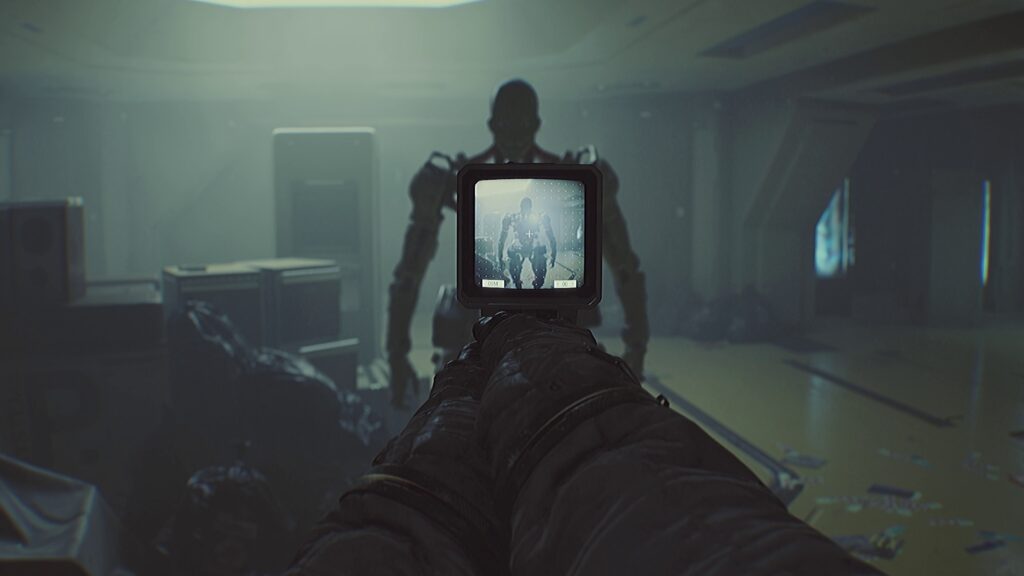
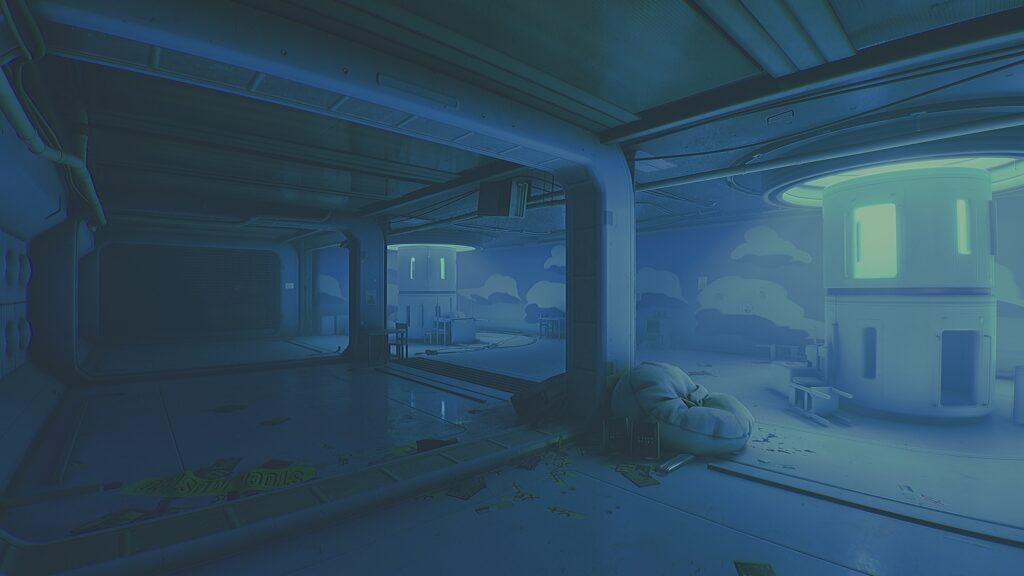
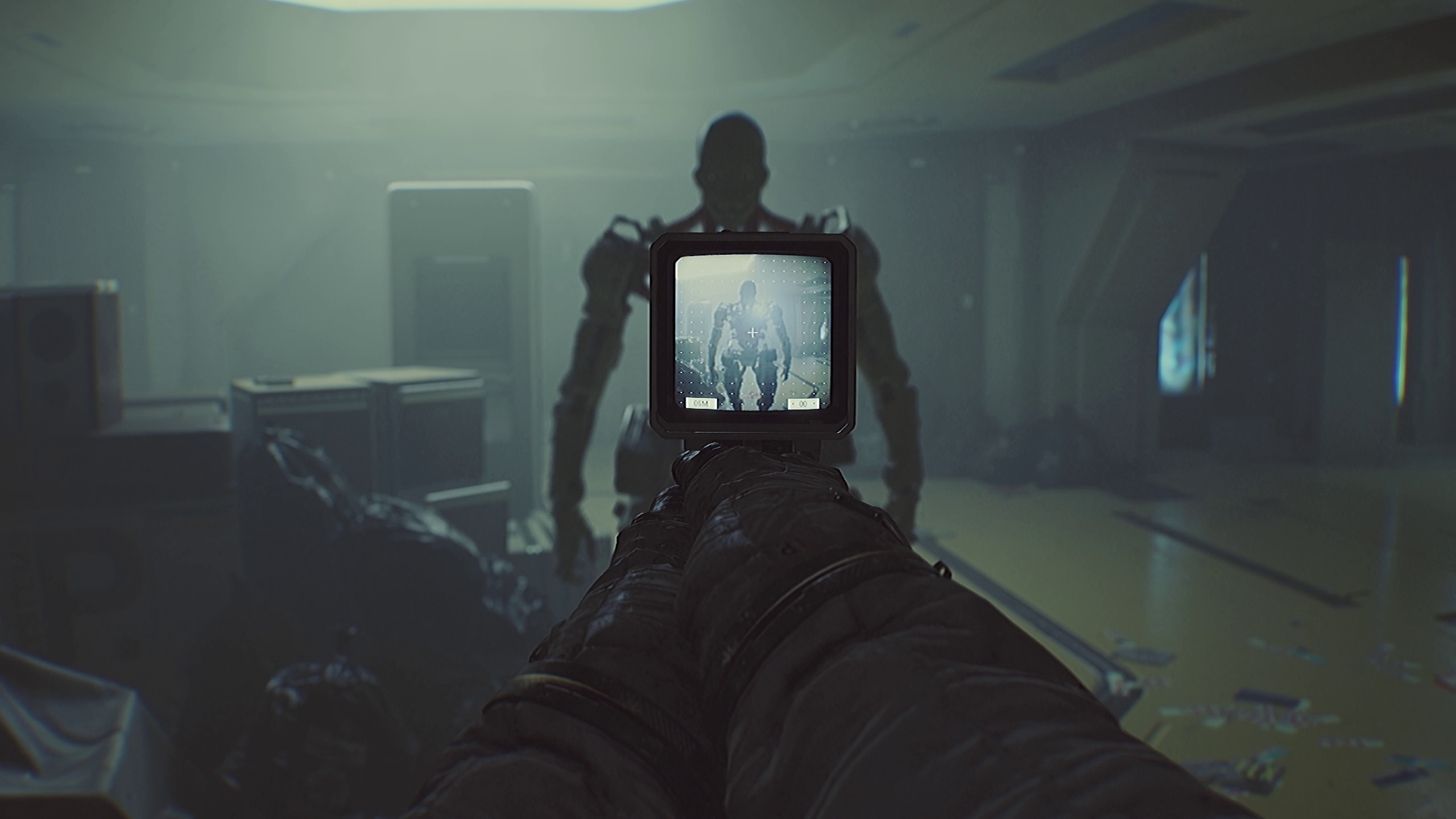
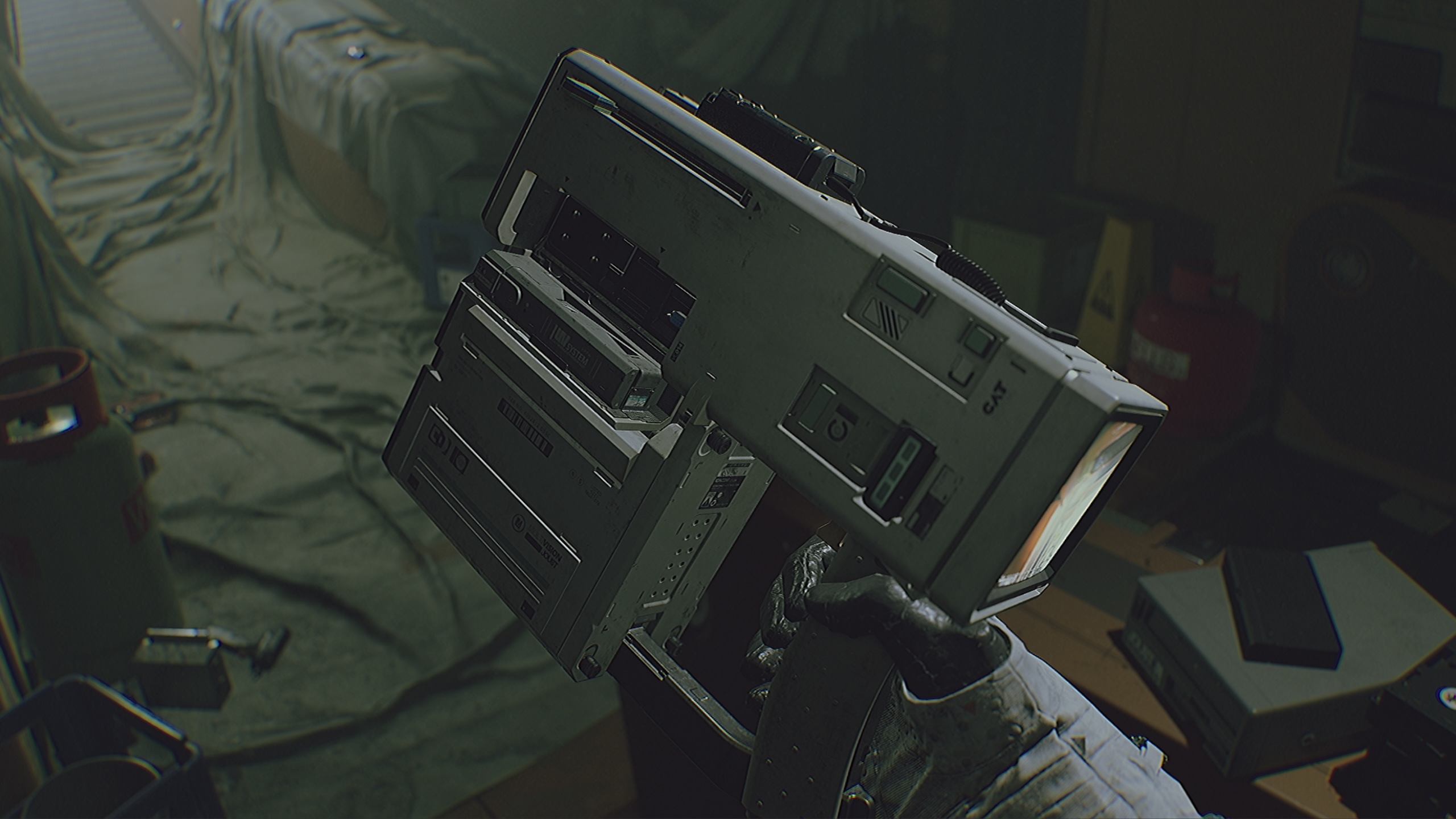
Routine offers a slightly different approach to traditional survival horror by eliminating any interface: there are no life bars, on-screen objectives, or guiding arrows. Everything is resolved with pure physical and logical interaction, centered on the deviceC.A.T.(Computer Assisted Tool), a multi-tool that becomes your lifesaver and nemesis. This gadget allows you to scan environments, hack panels, manipulate gravity or project diagnostic holograms, but it requires precise steps: aligning cables manually, calibrating sensors by dragging icons or solving logic circuits in real time. A typical puzzle involves using the C.A.T. To restore power to a sector: first you scan for bad fuses, then you drag tools from your inventory (physically accessible in the suit) and finally you purge the system by dragging virtual valves –all while a robot lurks nearby.
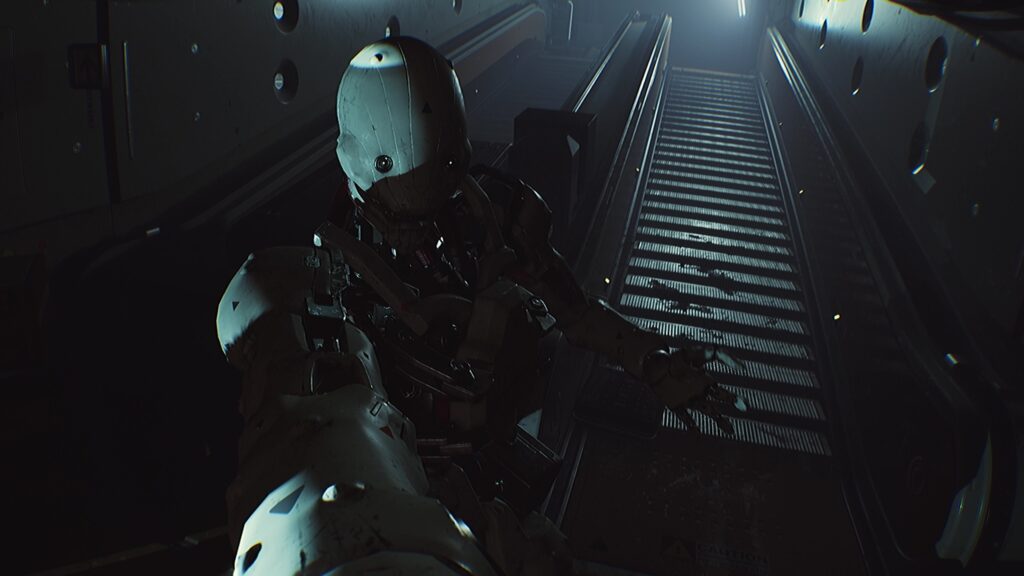
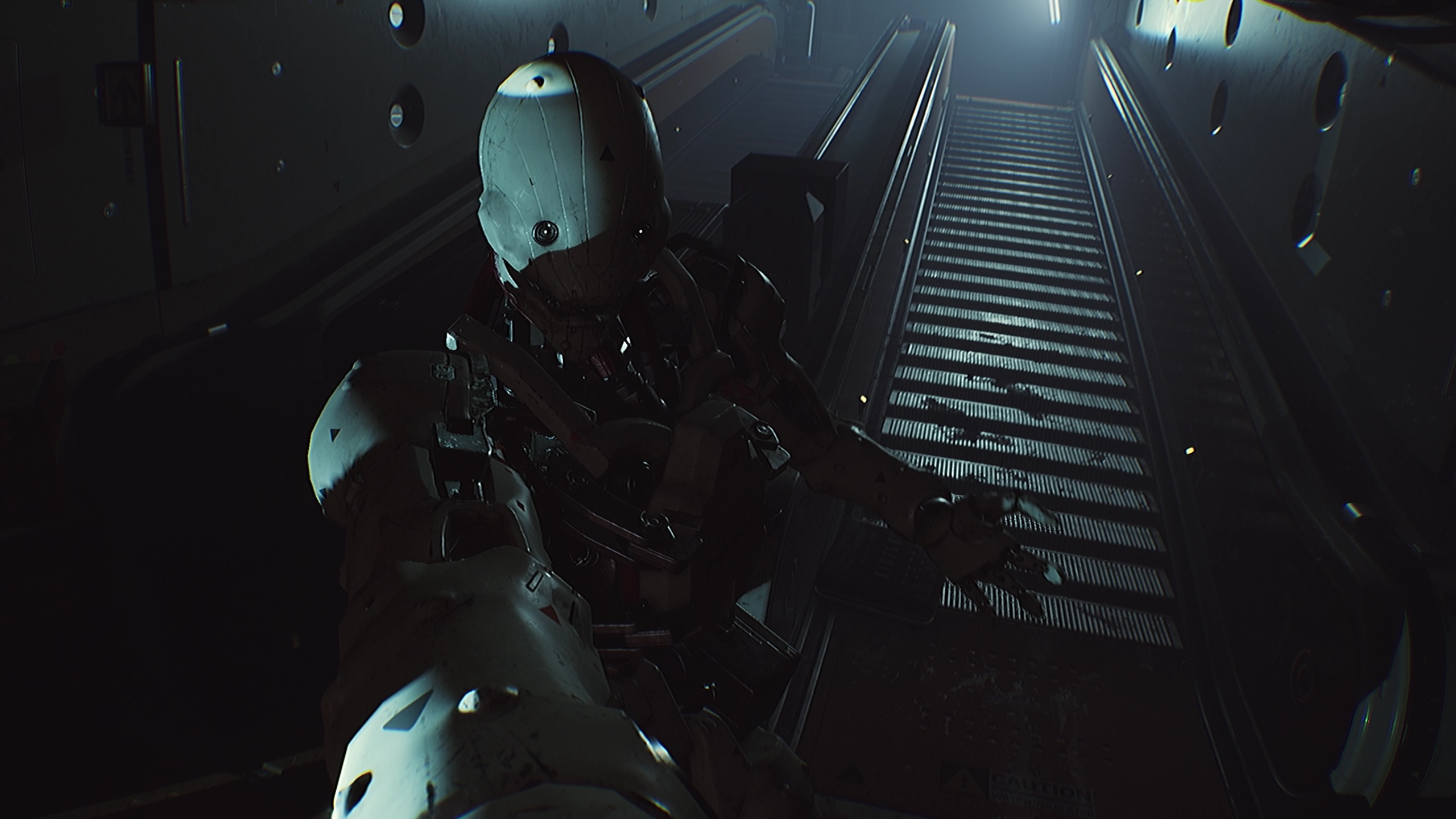
Enemies are the heart ofstealth- Type-05s, reprogrammed maintenance robots, patrol in varied patterns. Some detect noise (heavy footsteps echo off lunar metal), others detect movement (crouching or hovering in low gravity is key), and advanced variants combine both with thermal vision. Evasion involves creativity: throwing objects to distract, turning off lights with remote switches, or climbing ventilation ducts by crawling inch by inch. There is no combat; one touch means instant death and respawn at checkpoint, encouraging learning by trial and error.

Mechanics escalate in complexity
In midsections, you combine C.A.T. withupgradessuch as the Ultraview Module to reveal invisible fingerprints or hidden codes on keyboards. Advanced puzzles require multitasking, like hacking a door while distracting a bot or lining up zero-g lasers to open routes. Retracing your steps is ubiquitous – you return to areas with new tools – which generates frustration when certain implicit objectives (deduced from logs) are not obvious, leading to exhaustive searches.
Frequent checkpoints save you from rage, but the difficulty curve is relentless: what starts as free exploration ends in tense chases where a minor mistake resets several minutes of progress.
Graphics and atmosphere: A retro-future that sticks in the retina
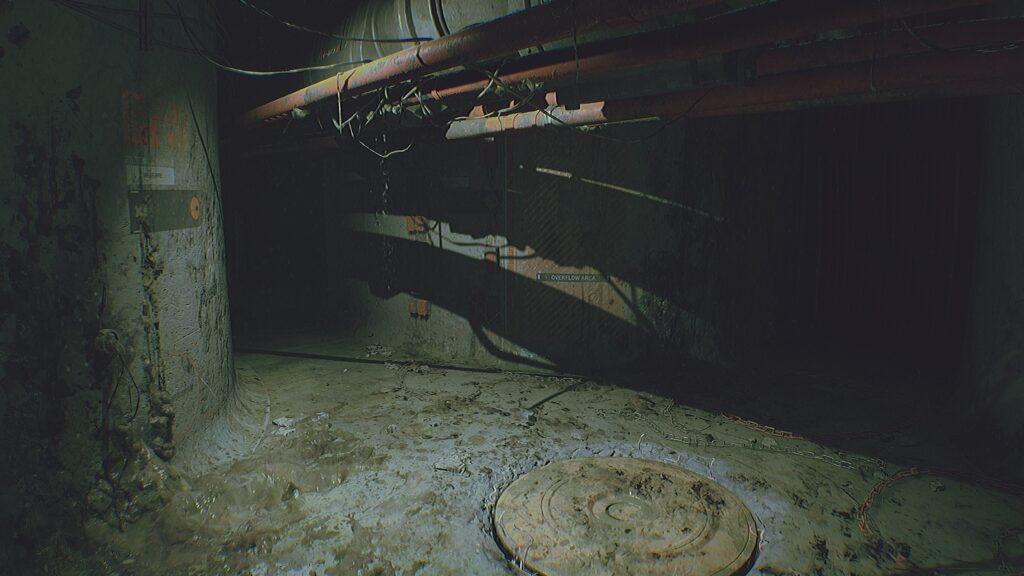
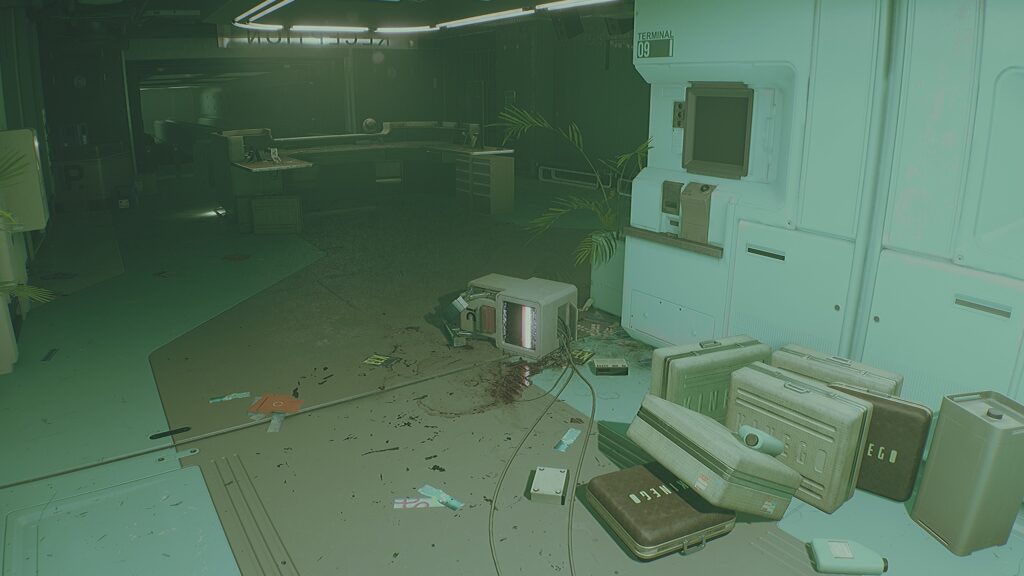
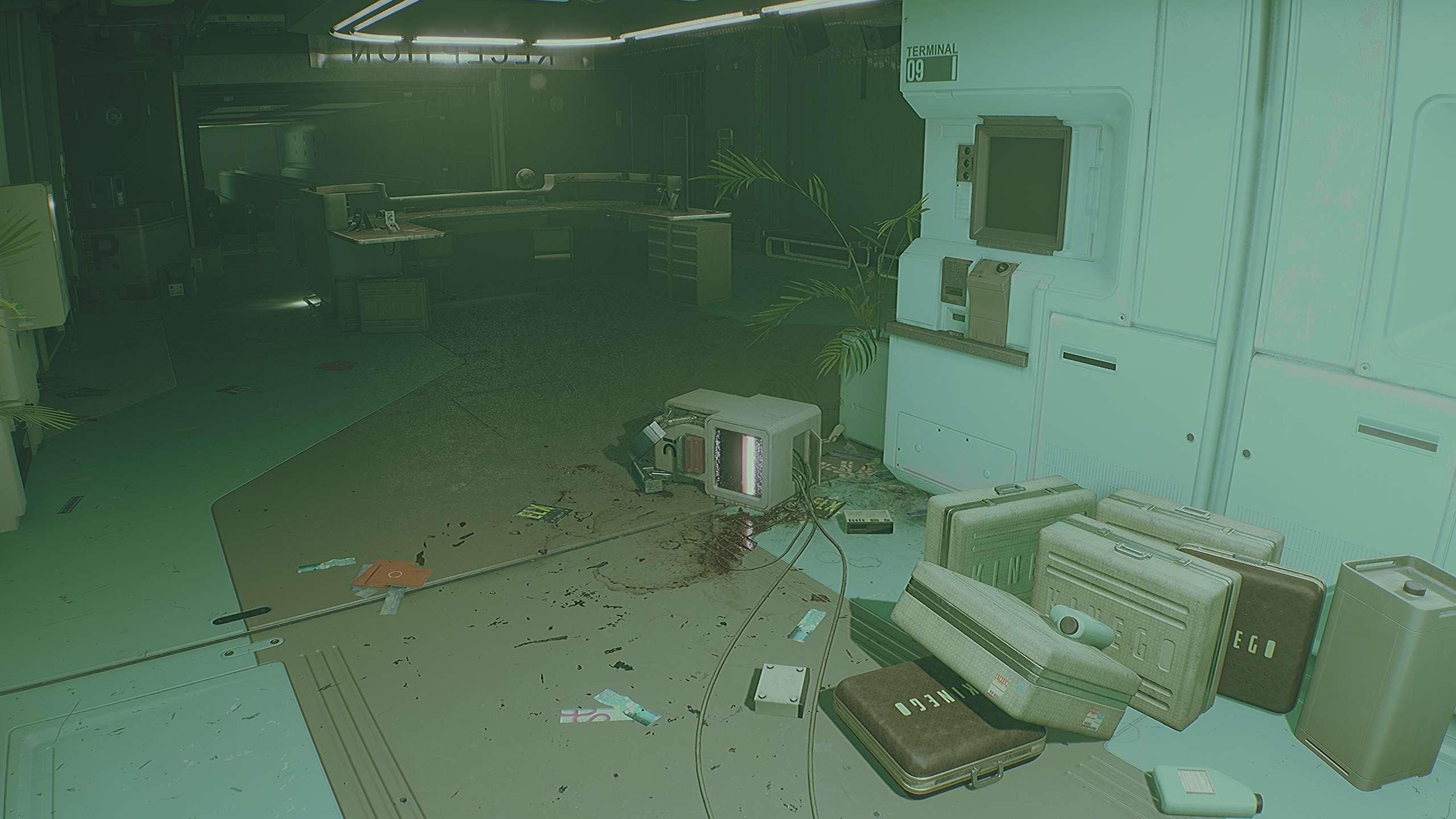
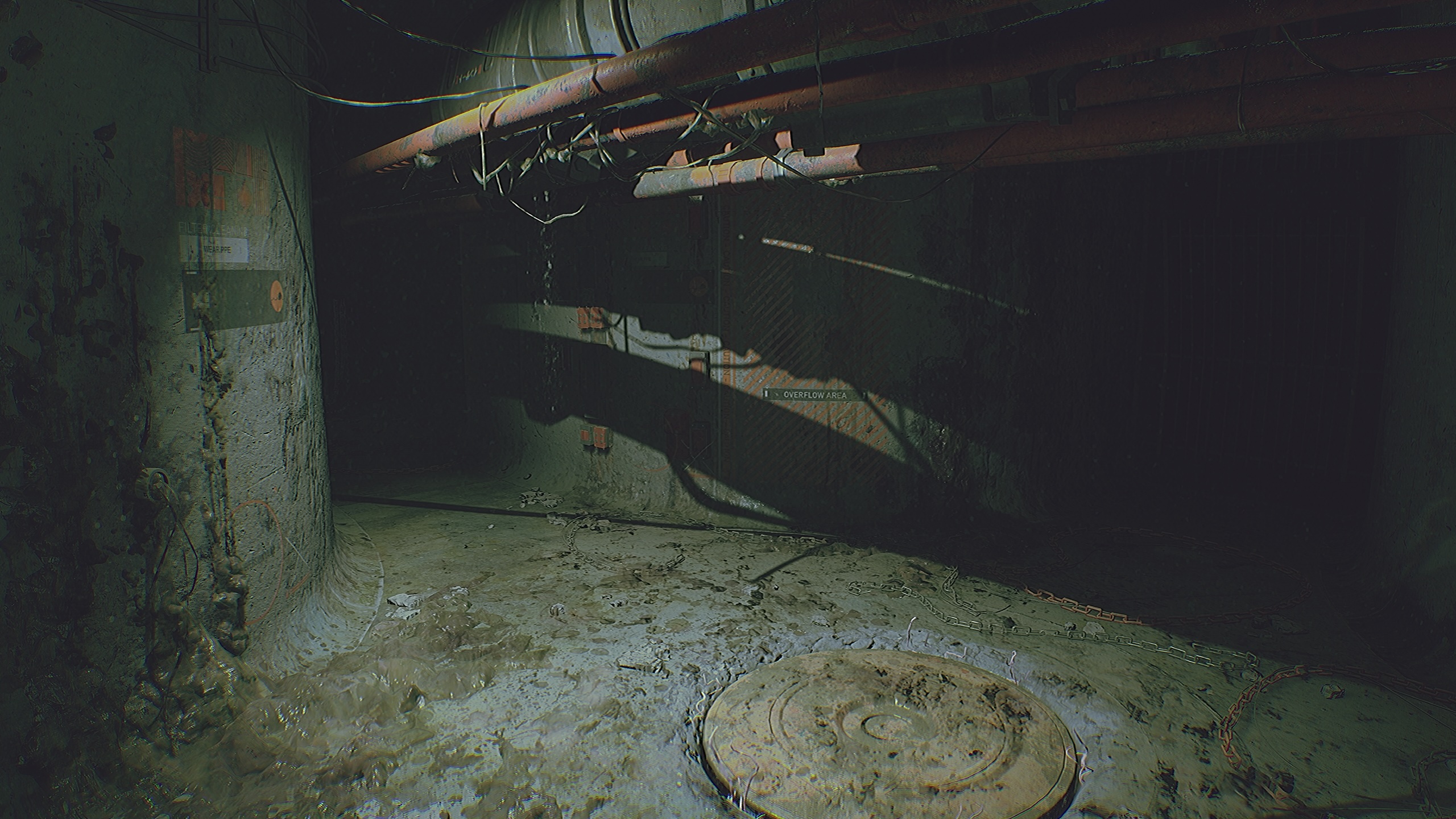
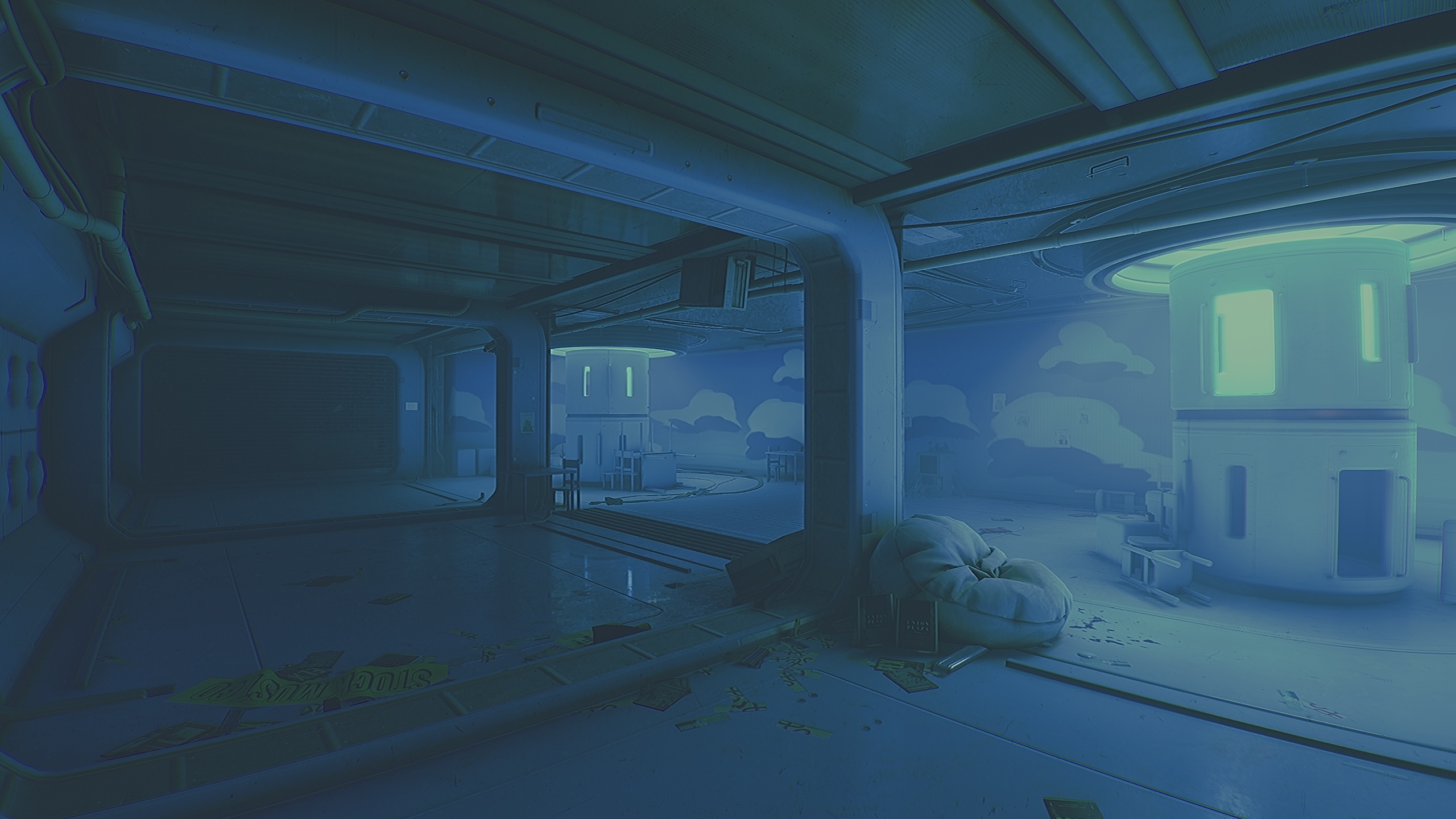
Routine takes advantageUnreal Engine 5for hyper-realistic environments: corridors with accumulated rust, dry hydroponics floating in microgravity and flickering CRT monitors that projectglitchesorganic. Dynamic lighting creates treacherous shadows, and lunar physics make corpses and debris float hypnotically. The atmosphere oppresses: silence broken by distant hums generates paranoia, amplified by a visible full body that reminds you of your vulnerability.

Personal opinion: Brutal immersion with different aspects
Routine prioritizes a vision of: total immersion that fascinates for its audacity, but punishes with opaque puzzles and stealth that borders on the unfair. The story rewards dedication, revealing a disturbing cosmic tapestry, although its initial density may divide opinions. As an experience, it stands out in a sea of horror games that seem to follow the same mold, but it demands an amount of patience that not everyone has.
Conclusion: For those who tolerate emptiness
Routine invites you to get lost on its hostile moon, available on PC and Xbox. If logical exploration and environmental horror call to you, go for it; otherwise, it passes by. Tell me if you managed to hack the first panel without dying!

Related Articles
![[Analysis] Celestial Return: Losing the dice is also losing the game](https://combogamer.com/wp-content/uploads/2026/07/celestialreturn_keyart-300x182.jpg)
![[Analysis] Mixtape: the narrative adventure that turns a 90s mixtape into an unforgettable video game](https://combogamer.com/wp-content/uploads/2026/07/mixtape-poster-300x160.png)
![[Analysis] Scholar Adventure: Mystery of Silence — A Journey to an Abbey that Whispers Secrets](https://combogamer.com/wp-content/uploads/2026/06/Scholar-Adventure-Mystery-of-Silence_poster-300x169.png)
![[Analysis] OUTBLAST — When 2000s Arcade Puts on the VR Goggles (and Still Unimpressed)](https://combogamer.com/wp-content/uploads/2026/06/OUTBLAST-poster-300x172.jpg)
![[Analysis] NODE: The Last Favor of the Antarii — Program Every Leap to Save the World](https://combogamer.com/wp-content/uploads/2026/06/NODE-poster-300x169.jpeg)