


Table of Contents
- The premise: Sweet revenge with pineapple flavor
- Gameplay: More than just hiding pineapples
- Research and planning
- Various mini-games
- A trip through teenage nostalgia
- Detailed scenarios
- Believable characters
- The pineapple as a symbol
- Charming aesthetic
- Deep themes beneath the comic surface
- Facing bullying
- The importance of self-esteem
- Innovative game mechanics
- Contextual puzzles
- Replayability and additional content
- Multiple endings
- Achievements and secrets
- Final thoughts
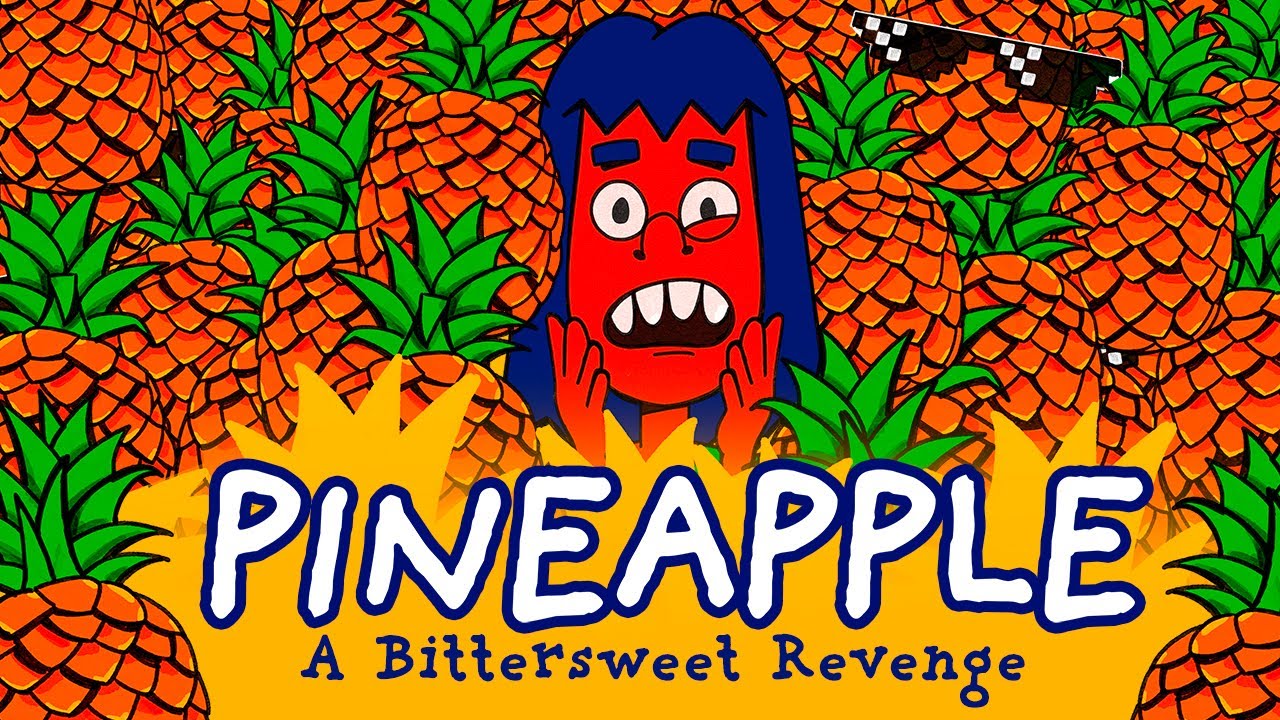
Today I want to share my experience with a game that pleasantly surprised me: "Pineapple: A Bittersweet Revenge." This title, developed by the independent studioPatterns & Hiding, took me on a short, nostalgic and fun trip through the halls of high school, reliving those moments of teenage frustration, but with a comedic and unexpected twist.
The premise: Sweet revenge with pineapple flavor
From the moment I started the game, I found myself in the shoes of a high school student who was bullied for months. The premise is simple but effective: our protagonist has decided to take matters into his own hands and take revenge on his stalker in a rather peculiar way: flooding his life with pineapples.
Yes, you read that right. Pineapples (or pineapples). That tropical fruit becomes the non-lethal weapon of choice for our unsung hero. As the story progressed, I couldn't help but smile at the absurdity of the situation. Who would have thought that a fruit could be the perfect instrument for teenage revenge?
Gameplay: More than just hiding pineapples
Although the premise may sound simple, the gameplay of "Pineapple: A Bittersweet Revenge" is varied and challenging. Throughout my adventure, I found myself solving a series of puzzles and mini-games that went beyond simply hiding pine cones in strategic places.
Research and planning
A crucial part of the game involves investigating the stalker's daily routine. I immersed myself in the role of teenage detective, carefully reviewing my virtual diary to gather information about my nemesis's movements and habits. This mechanic added a layer of depth to the game, making me feel like a true strategist on my mission of fruity revenge.
Various mini-games
The developers have done an excellent job of introducing a variety of mini-games that keep the experience fresh. I found myself dodging students in the hallways, trying to blend in while planting my “pineapple bombs.” Another time, I had to carefully calculate the perfect angle to throw balls and distract the guard dogs. Each of these challenges added a dose of adrenaline and fun to the overall experience.
The best? Each level is different from the others, you always have to do something new.
Bad? It is very short and, therefore, there is no time to fully enjoy it.
A trip through teenage nostalgia
As I progressed through "Pineapple: A Bittersweet Revenge," I couldn't help but feel transported back to my own high school days, even though I was lucky enough not to experience bullying, or at least not the kind depicted in the game and sadly seen today.
Detailed scenarios
The developers have taken special care to recreate the typical scenarios of a high school (at least, as it is known in many countries and in movies/series). From the classrooms to the cafeteria, to the lockers and the gym, each location is full of details that resonate with authenticity (within the absurdity, of course).
Believable characters
Although the game focuses primarily on the protagonist and his stalker, the world is populated by a variety of supporting characters who bring the school to life. Absent-minded teachers, popular students, nerds, athletes... the entire range of school archetypes is present, but presented in a way that avoids falling into simplistic clichés.
![[Analysis] Pineapple: A Bittersweet Revenge – A revenge “for the pineapples”](https://combogamer.com/wp-content/uploads/2024/09/pineapple_a_bitter_sweet_revenge_01-1024x576.jpg)
The pineapple as a symbol
What I also liked about "Pineapple: A Bittersweet Revenge" was how the developers managed to turn something as innocuous as a pineapple into a powerful symbol of resistance and affirmation. As I placed pinecones in the places my stalker frequented, I felt a growing sense of empowerment.
The pineapple becomes a silent but forceful statement: "I am here, you have not defeated me." It is a form of revenge that, although annoying to the harasser, does not cross the line into violence or excessive cruelty. I thought it was a brilliant choice by the developers, as it allows serious topics such as bullying to be explored in a way that is accessible and even comedic.
![[Analysis] Pineapple: A Bittersweet Revenge – A revenge “for the pineapples”](https://combogamer.com/wp-content/uploads/2024/09/pineapple_a_bitter_sweet_revenge_03-1024x576.jpg)
Charming aesthetic
Visually, "Pineapple: A Bittersweet Revenge" adopts an art style that combines pixel art elements with more detailed illustrations for important moments in the story. This aesthetic choice is not only pleasing to the eye, but also contributes to the nostalgic atmosphere of the game, reminding me of the point-and-click adventure games of my youth (well, and not so youth, because I still play some like that today). For some reason, it also reminded me of a certain "Cartoon Network" style and I can say that that's what attracted me as soon as I saw it.
Deep themes beneath the comic surface
Although "Pineapple: A Bittersweet Revenge" is presented primarily as a comedy, it is not afraid to tackle deeper themes relevant to the teenage experience.
Facing bullying
The game offers an interesting perspective on how to deal with bullying. Although the protagonist's solution is clearly exaggerated and fictional, the underlying message about the importance of standing up to bullies and not letting them define you is powerful and relevant.
The importance of self-esteem
Through the protagonist, the game explores themes of self-esteem and self-worth. Watching the main character go from being a passive victim to taking control of his situation can be inspiring, even within the comedic context of the game.
Innovative game mechanics
The game implements an interesting reputation system that affects how other students and teachers interact with you. My actions, both successful and unsuccessful, had consequences for how I was perceived at school. This added an extra layer of strategy to my decisions, as I had to balance my desire for revenge with the need to keep a low profile.
Contextual puzzles
The puzzles and challenges I faced didn't feel like artificial elements added to the game, but rather were seamlessly integrated into the context of school life. Whether it was trying to open a locker without being seen or finding a way to sneak a pineapple into the bully's backpack during PE class, each challenge felt organic and consistent with the game world.
![[Analysis] Pineapple: A Bittersweet Revenge – A revenge “for the pineapples”](https://combogamer.com/wp-content/uploads/2024/09/pineapple_a_bitter_sweet_revenge_02-1024x576.jpg)
Replayability and additional content
Although the main story of “Pineapple: A Bittersweet Revenge” can be completed in an afternoon, the game offers additional content that motivated me to play it again.
Multiple endings
Depending on the decisions you make throughout the game and how successful your “piñatization” campaign is, there are several possible endings. This encouraged me to replay the game, making different decisions to see how they affected the outcome of the story.
Achievements and secrets
The game is full of achievements to discover and secrets to unlock. From finding all possible locations to hide pine cones to discovering easter eggsrelated to pop culture, there is plenty of additional content for the most dedicated players.
Final thoughts
What initially seemed like a simple and even silly premise – getting revenge on a bully with pine cones – turned out to be the gateway to a deep and moving story about personal growth, resilience and the power of facing our fears.
The game strikes a balance between comedy and drama, never taking itself too seriously but also never trivializing the important themes it addresses. However, it should be noted that these topics end up being poorly developed due to their short duration.
Beyond its entertainment value, the game left me reflecting on my own school experiences and how I faced (or didn't) the challenges of that time. It made me think about the importance of finding creative, non-violent ways to deal with adversity, and how sometimes the smallest acts of resistance can have a big impact.
In short, “Pineapple: A Bittersweet Revenge” is much more than just a game about hiding pineapples. It's an ode to teenage resilience, a nostalgic trip through the halls of high school, and a comedic yet profound reflection on how we face our fears and challenges.
Whether you're looking for a unique gaming experience, a fun story with heart, or just want to relive your school days (this time with the power of pineapples on your side), Pineapple can be a good choice. Who knows, maybe the next time you see a pineapple, you'll smile remembering this sweet digital revenge.
Related Articles
![[Analysis] Celestial Return: Losing the dice is also losing the game](https://combogamer.com/wp-content/uploads/2026/07/celestialreturn_keyart-300x182.jpg)
![[Analysis] Mixtape: the narrative adventure that turns a 90s mixtape into an unforgettable video game](https://combogamer.com/wp-content/uploads/2026/07/mixtape-poster-300x160.png)
![[Analysis] Scholar Adventure: Mystery of Silence — A Journey to an Abbey that Whispers Secrets](https://combogamer.com/wp-content/uploads/2026/06/Scholar-Adventure-Mystery-of-Silence_poster-300x169.png)

![[Analysis] OUTBLAST — When 2000s Arcade Puts on the VR Goggles (and Still Unimpressed)](https://combogamer.com/wp-content/uploads/2026/06/OUTBLAST-poster-300x172.jpg)
![[Analysis] NODE: The Last Favor of the Antarii — Program Every Leap to Save the World](https://combogamer.com/wp-content/uploads/2026/06/NODE-poster-300x169.jpeg)