
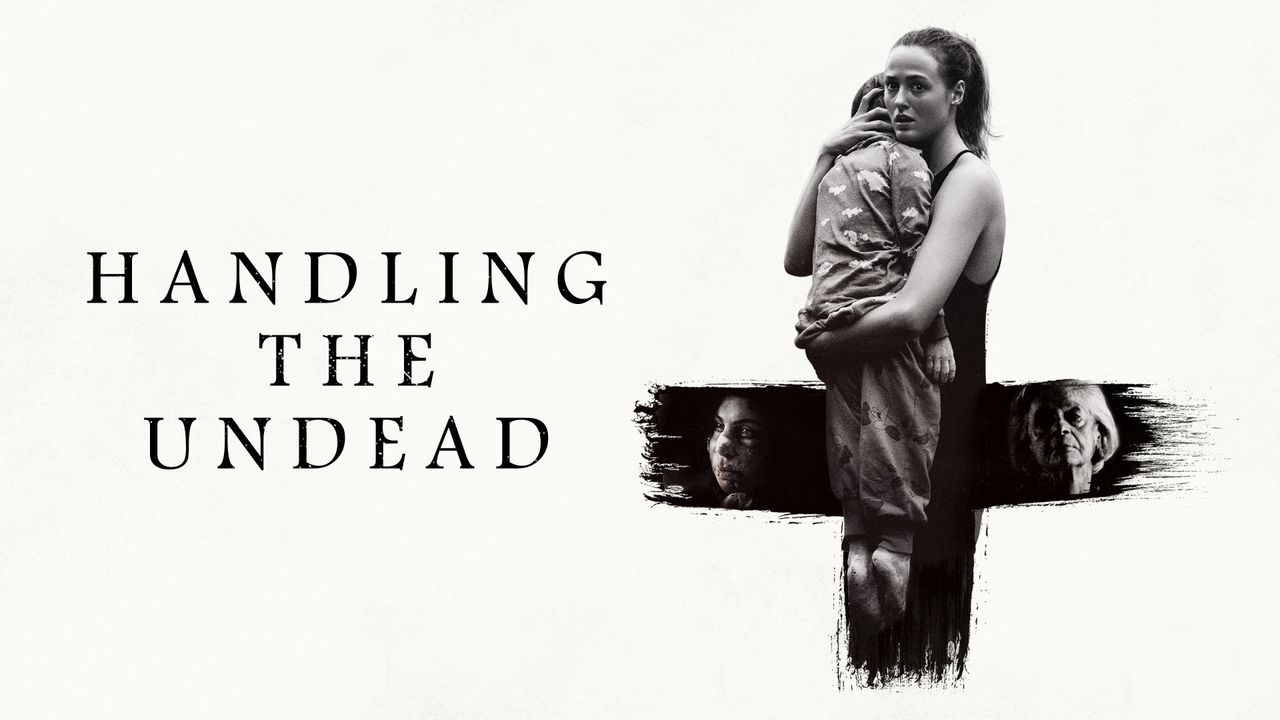

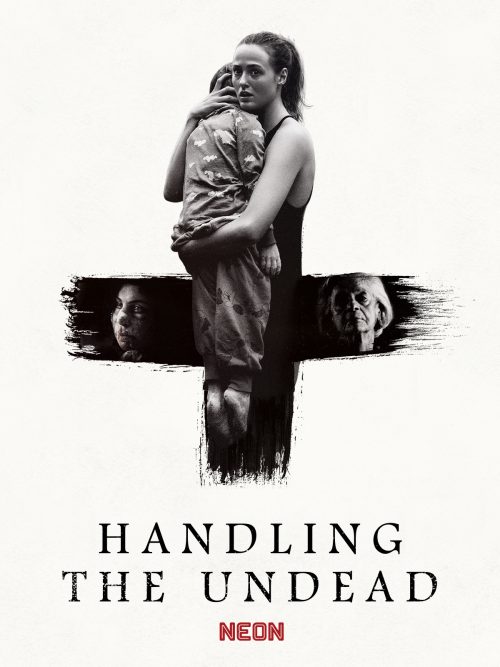
"Rest in peace" ("Handling The Undead" in English, or "Håndtering av udøde» according to its original Norwegian title) is not your typical zombie movie. This work by the Norwegian director Thea Hvistendahl and the novelistJohn Ajvide Lindqvist(let me in) immerses us in a world where the dead return to life, but not in the way we would expect. Far from the hordes hungry for human flesh that we are used to seeing in the genre, we find a slow and contemplative exploration of grief and loss.
The plot follows three families who have suffered recent losses: Anna and her father Mahler, who lost son/grandson Elias; David, whose wife Eva has just died in an accident; and Tora, who has just buried his partner Elisabet. When a strange electromagnetic phenomenon causes the dead to rise, these families face the terrifying reality of having their loved ones back, but not as they remembered them.
What sets “Rest in Peace” apart is its deliberately slow and meditative approach. Hvistendahl opts for a slow pace that may be demanding for some viewers, but is essential to immerse oneself in the emotional state of the characters. Scenes unfold with an almost painful slowness, mirroring the way time seems to drag when we are mired in grief.
The film is filled with long silences and static shots that extend beyond what we might consider comfortable. This use of silence is not a simple stylistic device, but a powerful tool to convey the weight of grief. In these moments of stillness, we can feel the absence that consumes the characters, the void that loss has left in their lives.
Dialogue is sparse and, when it occurs, it is often choppy and filled with suppressed emotions. The characters struggle to express the inexpressible, to give voice to a pain that seems too great to be contained in words. This economy of dialogue forces the viewer to pay attention to the actors' gestures, gazes, and body language, which convey volumes of emotion without the need for words.
The film's cinematography, bathed in dull, gray light, creates a constantly depressive and oppressive atmosphere. The desaturated colors and elongated shadows reflect the mood of the characters, trapped in a world that seems to have lost all its vividness. This visual choice not only sets the tone of the film, but also serves as a visual metaphor for the emotional state of the protagonists.
Hvistendahl uses long, contemplative shots that force us to sit with the characters' discomfort and pain. We see Anna, masterfully played by Renate Reinsve, struggling to find purpose in a world that no longer includes her son. The camera lingers on her face, capturing every nuance of her pain, every flicker of desperate hope as her son returns, and the gradual horror that overtakes her as she realizes that what has returned is not really her son.
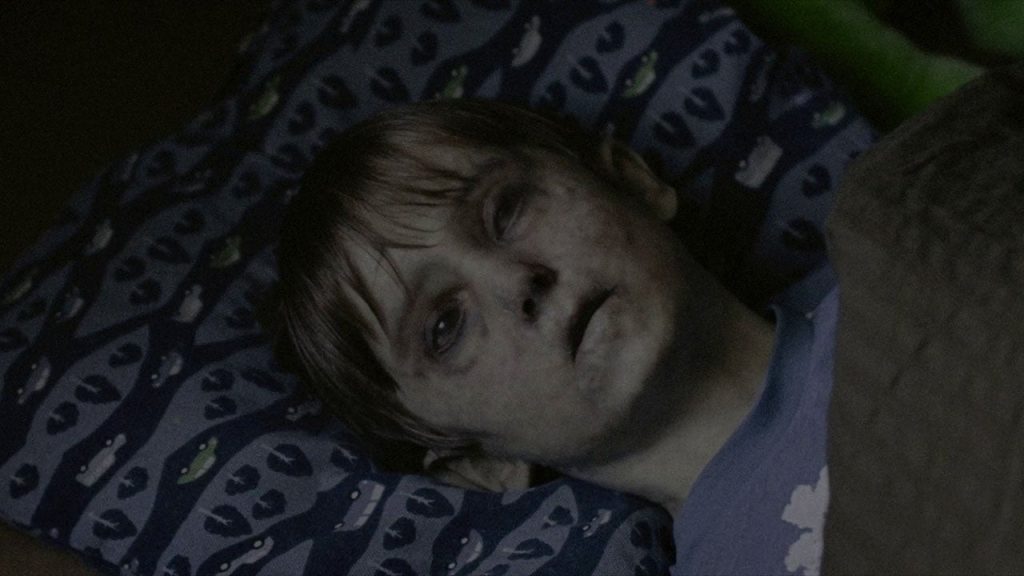
These slow, almost dialogue-less scenes are the beating heart of the film. They force us to confront the reality of grief in a way that few films dare to do. There are no emotional montages or moving speeches that offer us easy catharsis. Instead, we are forced to sit with the pain, to experience it in real time alongside the characters.
The entire film feels like a prolonged dive into the deep suffering of losing a loved one. Every frame is suffused with a sense of loss and longing. The zombies in this film are not monsters to be feared or destroyed, but rather physical manifestations of pain that the characters cannot let go. They are constant, heartbreaking reminders of what has been lost.
It is crucial to understand that "Rest in Peace" is much more of a drama than a zombie movie. Although it uses elements of the horror genre, it does so as a means to explore deeply human themes. The real "infection" in this film is not a virus that turns people into monsters, but the pain that spreads and consumes the living.
The film forces us to ask ourselves: What would we do if we had the opportunity to see a deceased loved one again? How would we react to the cruel irony of having them back, but as a shadow of what they were? These questions are explored through the different reactions of the families.
Anna and her father Mahler desperately cling to Elias's reanimated body, refusing to accept that what has returned is not really their son/grandson. Their struggle to maintain a semblance of normality is heartbreaking and deeply disturbing. We see how pain can blind us, leading us to deny reality even when it is in front of us.
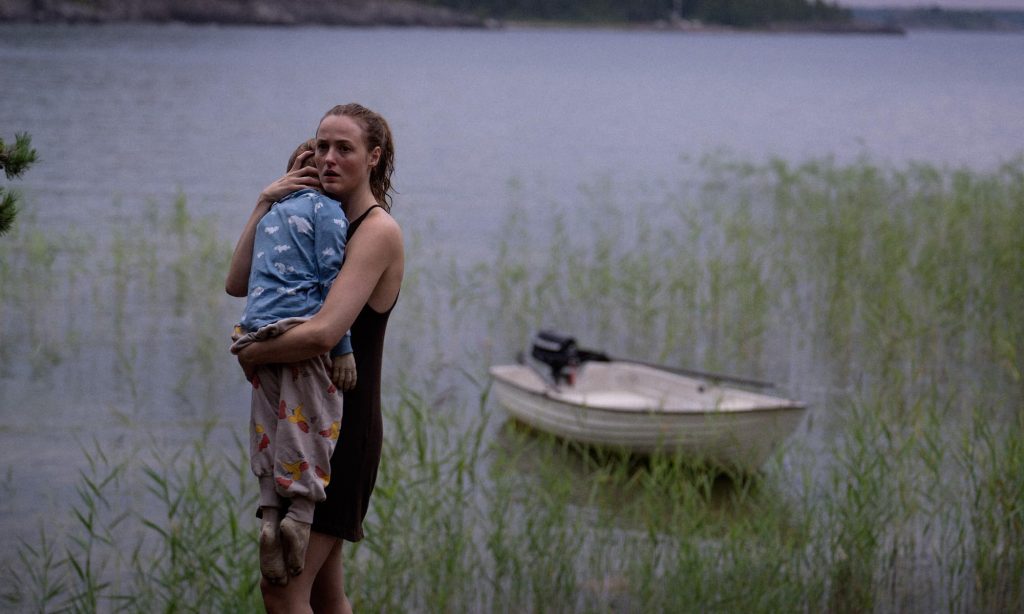
David, on the other hand, faces a different situation with his wife Eva. Their struggle is more subtle, but equally painful. You must navigate your children's confusion and pain while dealing with your own conflicting emotions. Her story shows us how grief can complicate family dynamics, creating tensions and misunderstandings even among those who share the same loss.
The story of Torah and Elizabeth offers a different perspective on grief and loss. Their relationship, interrupted by death, becomes a meditation on love and mortality. The scene in which they dance together, with Elisabet in her zombified state, is one of the most moving in the film. It's a moment of bittersweet beauty that captures the essence of what the film is trying to convey: the desperate longing for connection in the midst of irreparable loss.
Hvistendahl's decision to keep the violence and gore to a minimum is crucial to the film's emotional impact. Instead of shocks and scares, the film generates a constant feeling of unease and unease. The real horror here is existential, born from the confrontation with the finality of death and the impossibility of truly recovering what has been lost.
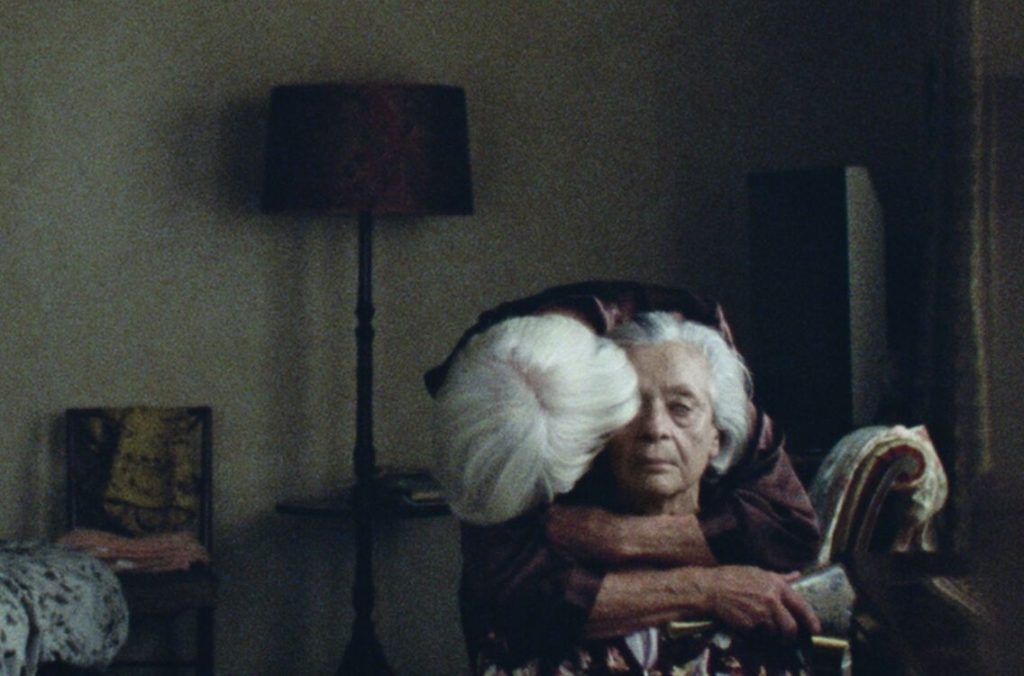
This approach to the zombie genre can be frustrating for those who expect the action and adrenaline typical of undead movies. “Rest in peace” requires patience and a willingness to immerse yourself in uncomfortable emotions. It's not a film that offers easy answers or quick comfort. Instead, it invites us to sit with the pain, to explore it in all its complexity and ugliness.
The film also raises deep philosophical questions about the nature of consciousness and identity. What makes us who we are? Is it simply our physical body, or is there something more, something intangible that is lost with death? The zombies in this film, with their blank stares and mechanical movements, are a constant reminder that what makes a person who they are goes beyond their mere physical existence.
As the film progresses, the tension builds almost imperceptibly. There are no big climactic moments or dramatic revelations. Instead, we experience a slow descent into despair along with the characters. The gradual realization that there is no turning back, that death is final even as the body continues to move, is devastating in its stillness.

It is important to note that "Rest in Peace" is not a film for everyone. Its slow pace and focus on emotional pain may be exhausting for some viewers. Those looking for light entertainment or who get bored easily with contemplative films will likely find this experience frustrating. The film demands significant emotional investment and a willingness to confront difficult issues without the promise of a satisfying resolution.
However, for those willing to wade into its murky waters, "Rest in Peace" offers a unique and deeply moving cinematic experience. It is a meditation on grief that uses the zombie genre in a new and provocative way. It forces us to confront our own fears about death and loss, and to consider how we would react if given an impossible second chance with those we have lost.
Ultimately, "Rest in Peace" is a film about the need to let go. Through their characters, we explore the different stages of grief: denial, anger, bargaining, depression and, finally, acceptance. The film suggests that, as painful as it may be, accepting the finality of death is necessary in order to move forward.
The ending of the film, which I won't reveal here, is an emotional punch that resonates long after the credits roll. It offers not easy answers or cheap consolation, but a deeper understanding of the nature of grief and loss. It leaves us with the feeling of having experienced something deeply human and universal, despite the supernatural context of the story.
In conclusion, "Rest in Peace" is a masterpiece of contemplative cinema that uses the zombie genre as a vehicle to explore deeply human themes. Its slow, meditative approach may not be for everyone, but for those willing to immerse themselves in its world, it offers an unforgettable cinematic experience. It's a film that stays with you, that forces you to reflect on your own experiences with loss and grief.
Some curiosities about “Rest in Peace”
- For years,Kristian PetriHe was John Ajvide Lindqvist's preferred director to direct the film. Ajvide Lindqvist wrote on his former official forum, now defunct, that the film was in a bind in terms of development because the production company he had signed the rights to wanted to sell them to an American company instead of making the film themselves. Petri eventually abandoned the project and when the rights returned to Ajvide Lindqvist, he sold them to Einar Film.
- While the original novel on which the film is based was originally written in Swedish and takes place in the municipality of Danderyd, north of Stockholm, the film adaptation takes place in Oslo, Norway, with dialogue spoken in Norwegian.
- The lullaby that the child sings during a funeral is in the Farsi language. This is because in a way it is dedicated to his mother, who is Persian-Swedish, and although they live in Norway, the song is sung like a Persian lullaby.
- If you know English and are interested in seeing an interview with the film's director about this film, here is an interesting one:
Related Articles
![[HorrorScience] Obsession: turning the classic "be careful what you wish for" into a nightmare](https://combogamer.com/wp-content/uploads/2026/07/obsession-poster-300x169.jpg)
![[HorrorScience] Backrooms: the A24 film that turned an internet creepypasta into a horror phenomenon](https://combogamer.com/wp-content/uploads/2026/07/backrooms-poster-300x169.jpg)
![[HorrorScience] Victor Crowley (Hatchet IV): The fourth installment that arrived without warning](https://combogamer.com/wp-content/uploads/2026/06/victor_crowley-poster-300x169.jpg)
![[HorrorScience] Number 23 (2007)](https://combogamer.com/wp-content/uploads/2026/05/El-numero-23-banner-largo-300x169.jpg)
![[HorrorScience] Hokum: When a bitter writer meets an Irish witch](https://combogamer.com/wp-content/uploads/2026/06/hokum-poster-300x169.jpg)
![[HorrorScience] The man who could cheat death](https://combogamer.com/wp-content/uploads/2026/04/The-man-cheated-death-banner-300x165.png)