

Table of Contents
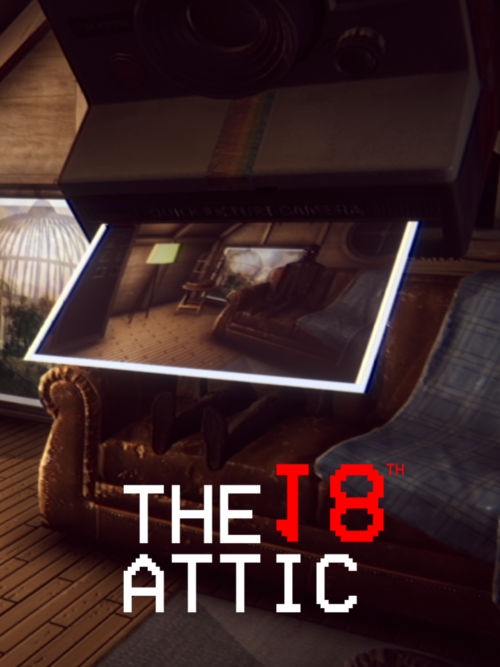
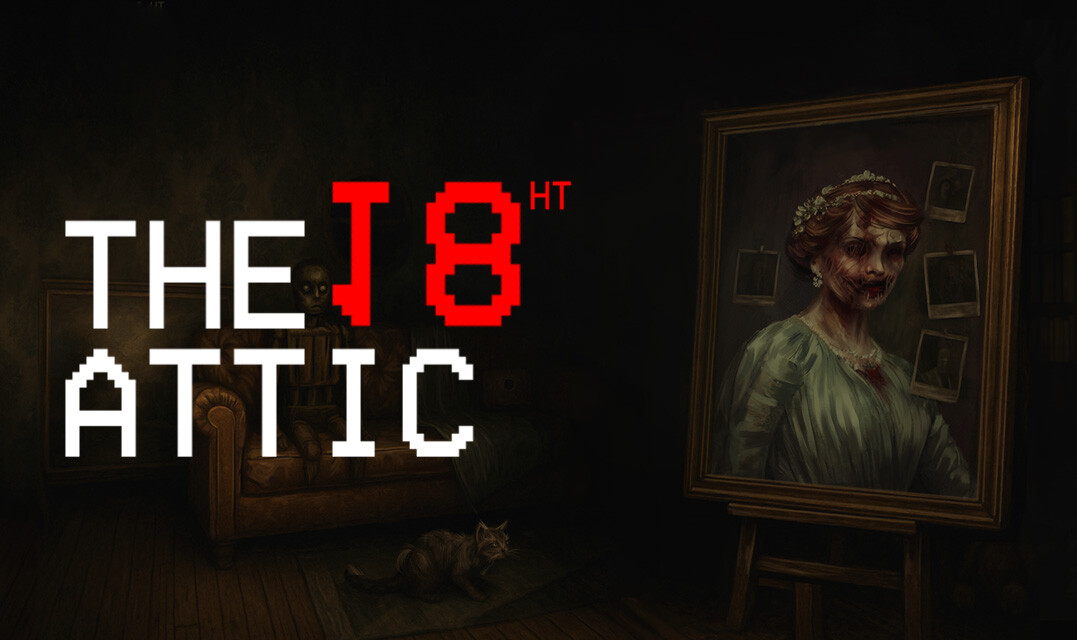
Holding a shaky Polaroid camera in the gloom of a dusty attic, with only the purring of a cat for company, is the defining premise of The 18th Attic. Developed and published by the reclusive Steelkrill Studio, this title landed on PC on January 23, 2026 via Steam, Epic and GOG, bringing a psychological horror inspired byFatal Frameand the observational paranoia ofExit 8. I found myself drawn into its endless floors, scrutinizing each shadow for subtle differences that could be deadly, and although the formula generates moments of pure nerve, the confined environment begins to weigh after a few loops.
The plot: Fragmented memories in a claustrophobic loop
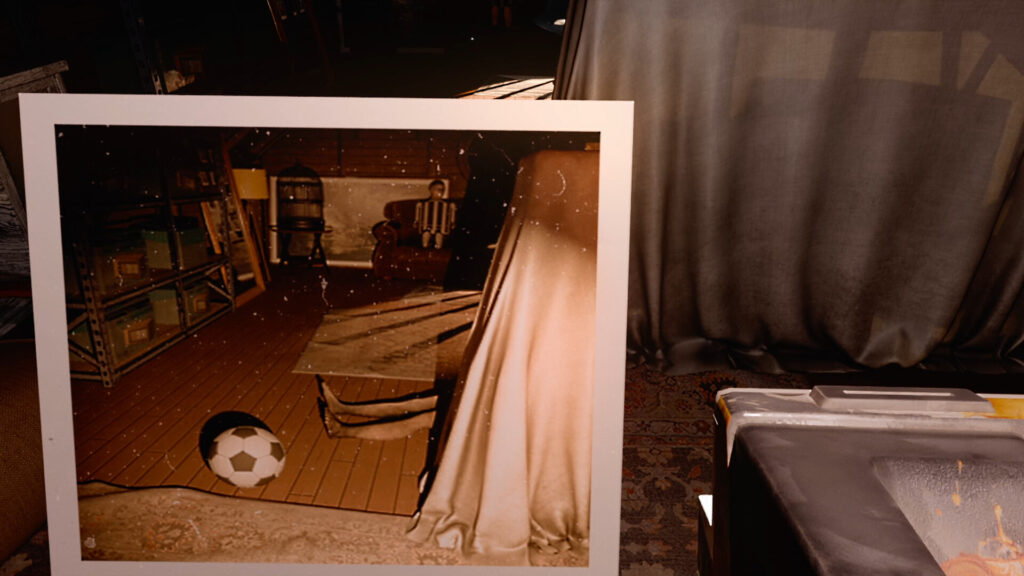
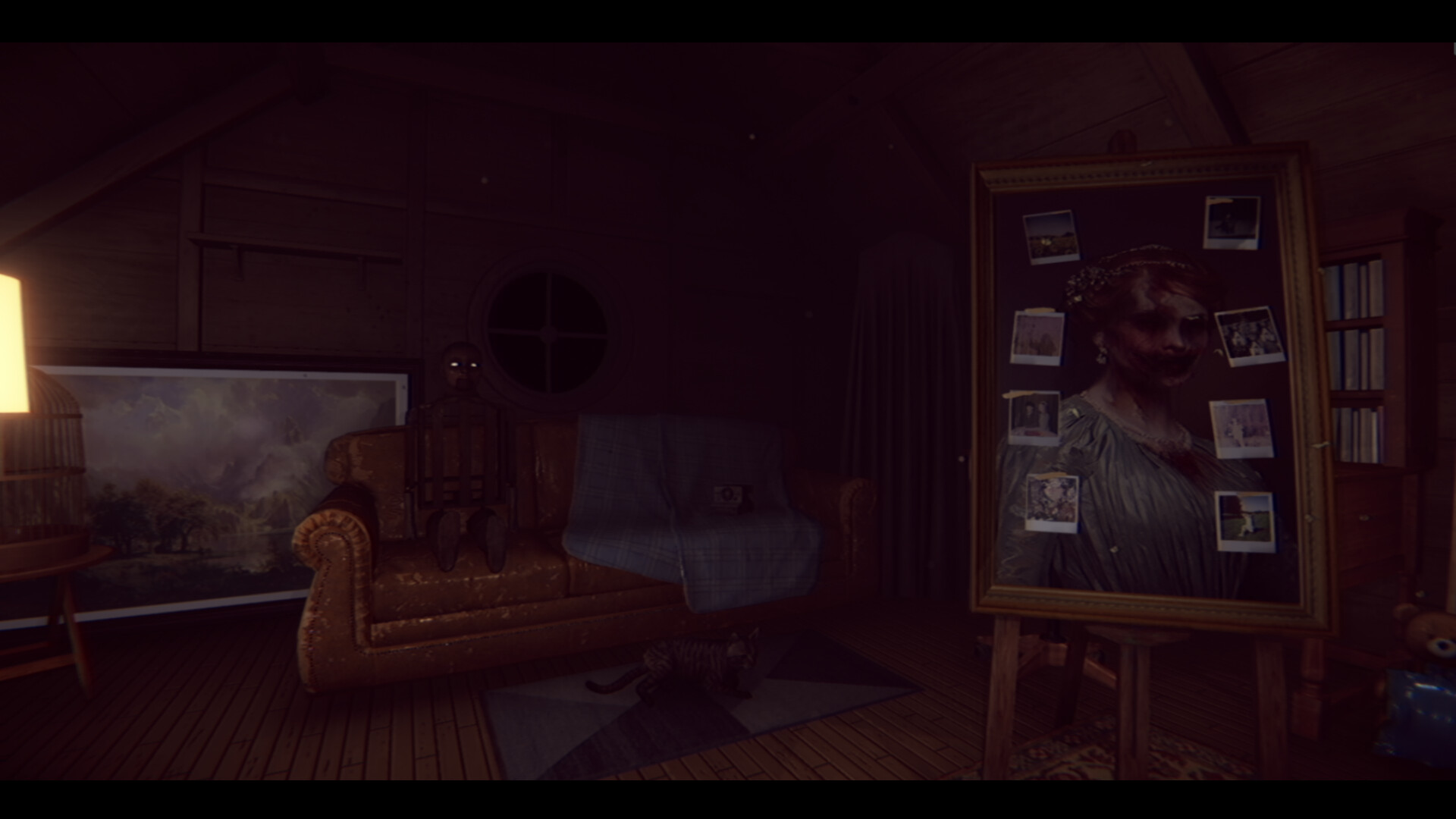
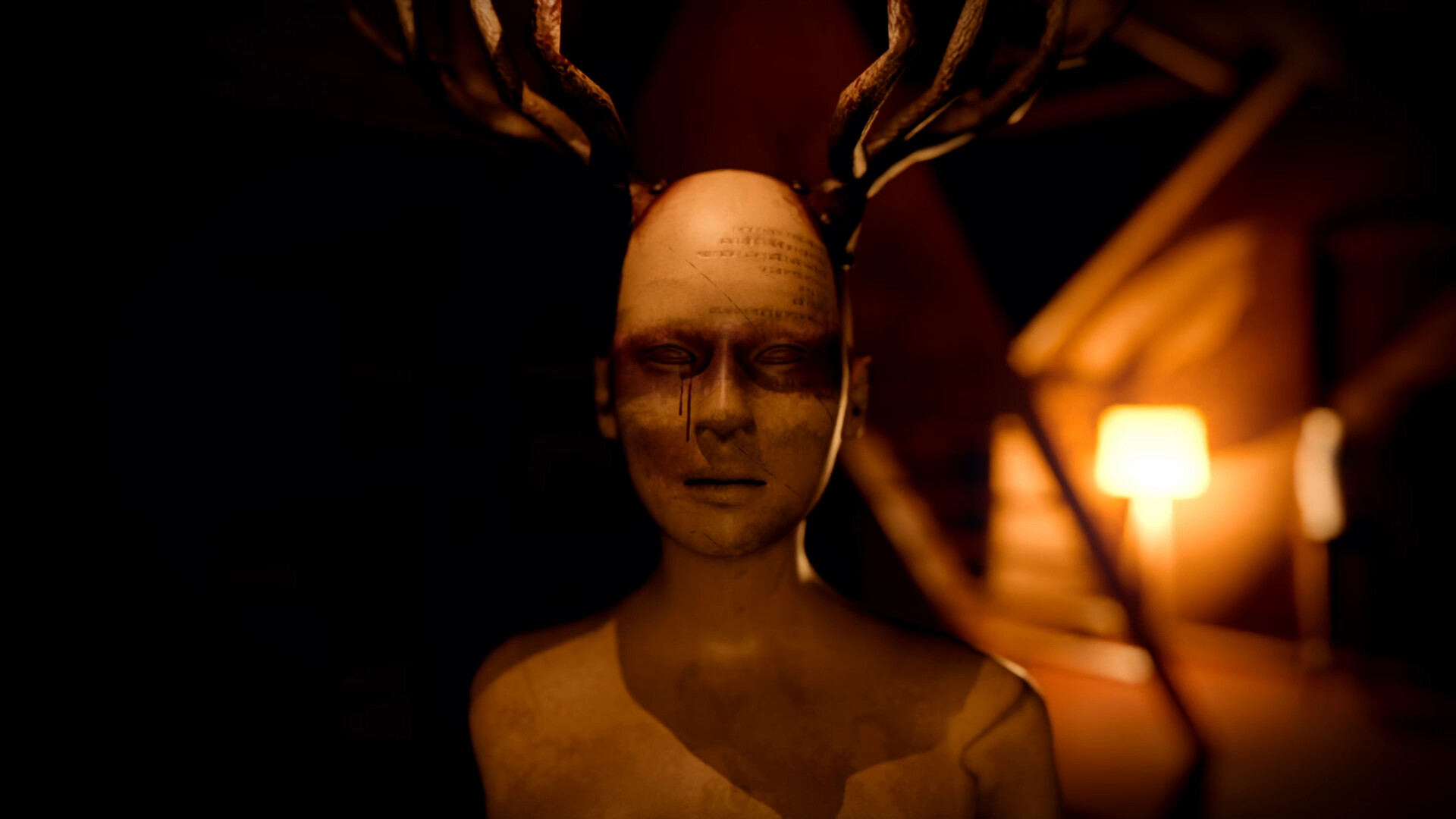
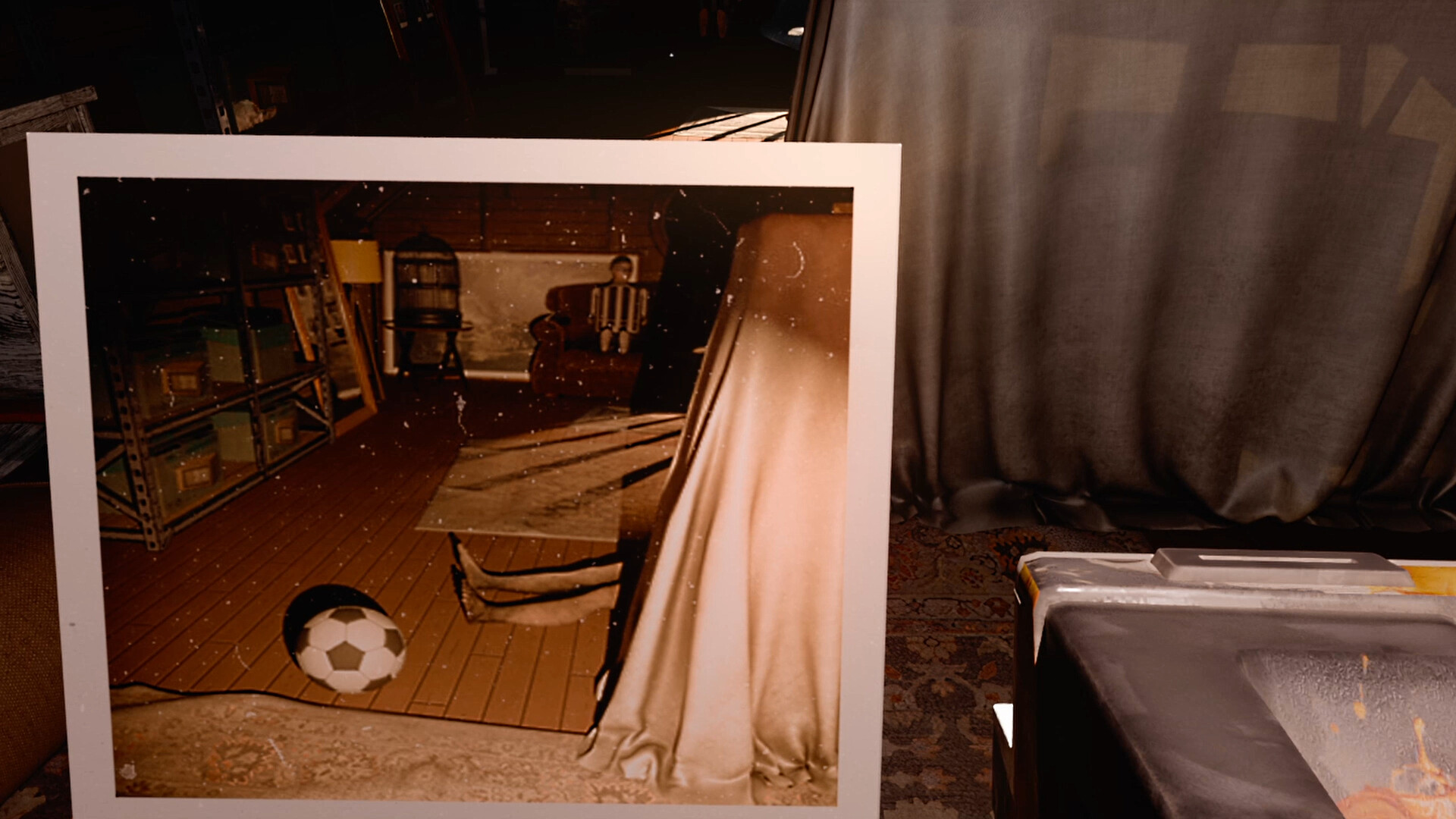
You control James, a man trapped in an attic that repeats itself in ascending loops, where each floor appears identical but hides paranormal alterations linked to his past. The story emerges from photos that capture anomalies: each revealed image unlocks a memory, weaving a tale of truncated romance with Emily and presences that distort reality. Distant conversations and out-of-place objects – a moved chair, an absent wedding dress – piece together the puzzle without interruptions, culminating in a closing that unites the personal with the supernatural.
What stands out is how the lore is integrated into the gameplay: there are no cinematics; the anomalies narrate themselves, encouraging a natural progression that rewards attention. Although some see it as generic, its subtle display generates empathy with James, turning the promotion into an emotional catharsis.
Gameplay: Paranoid observation with scarce resources
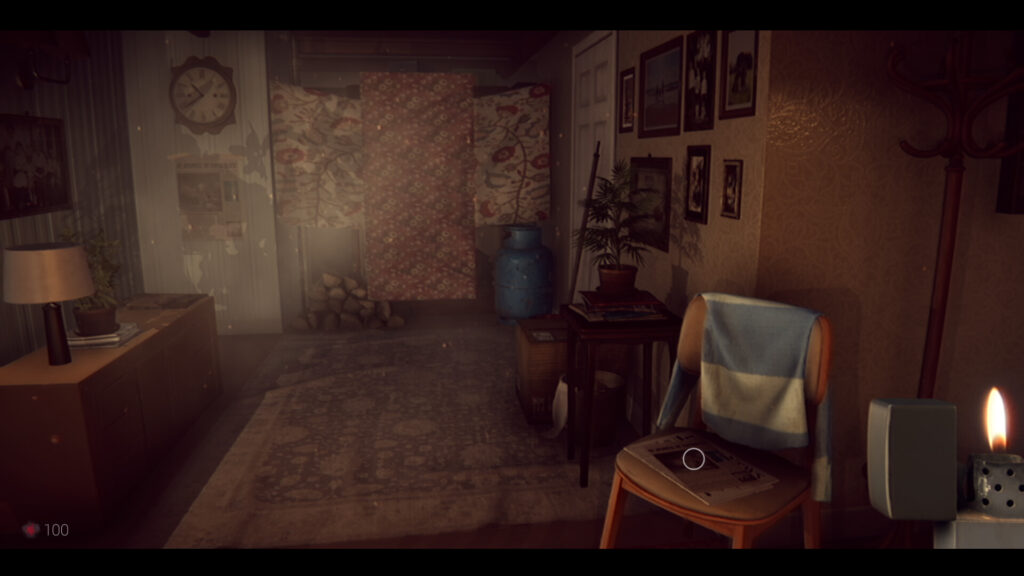
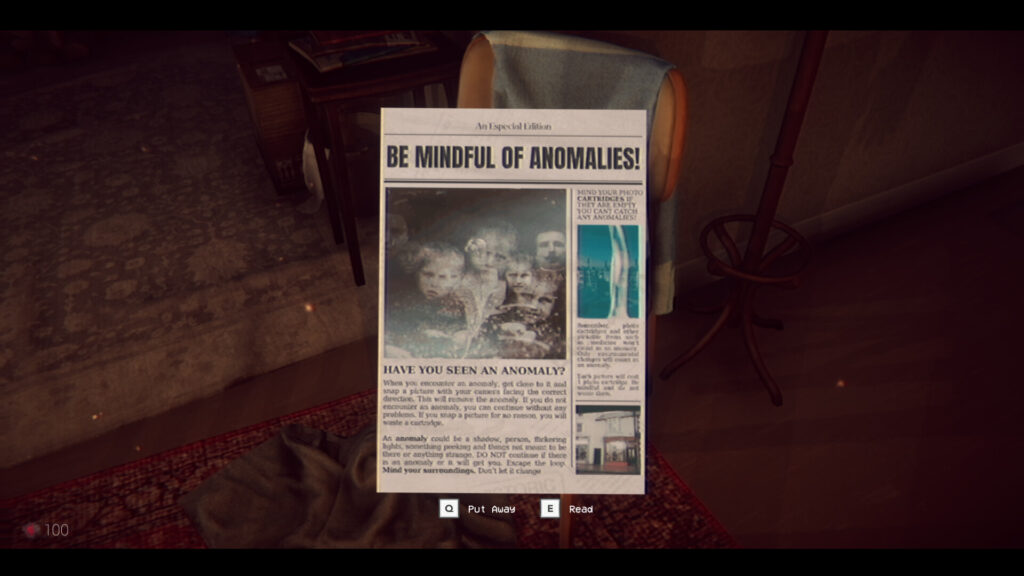
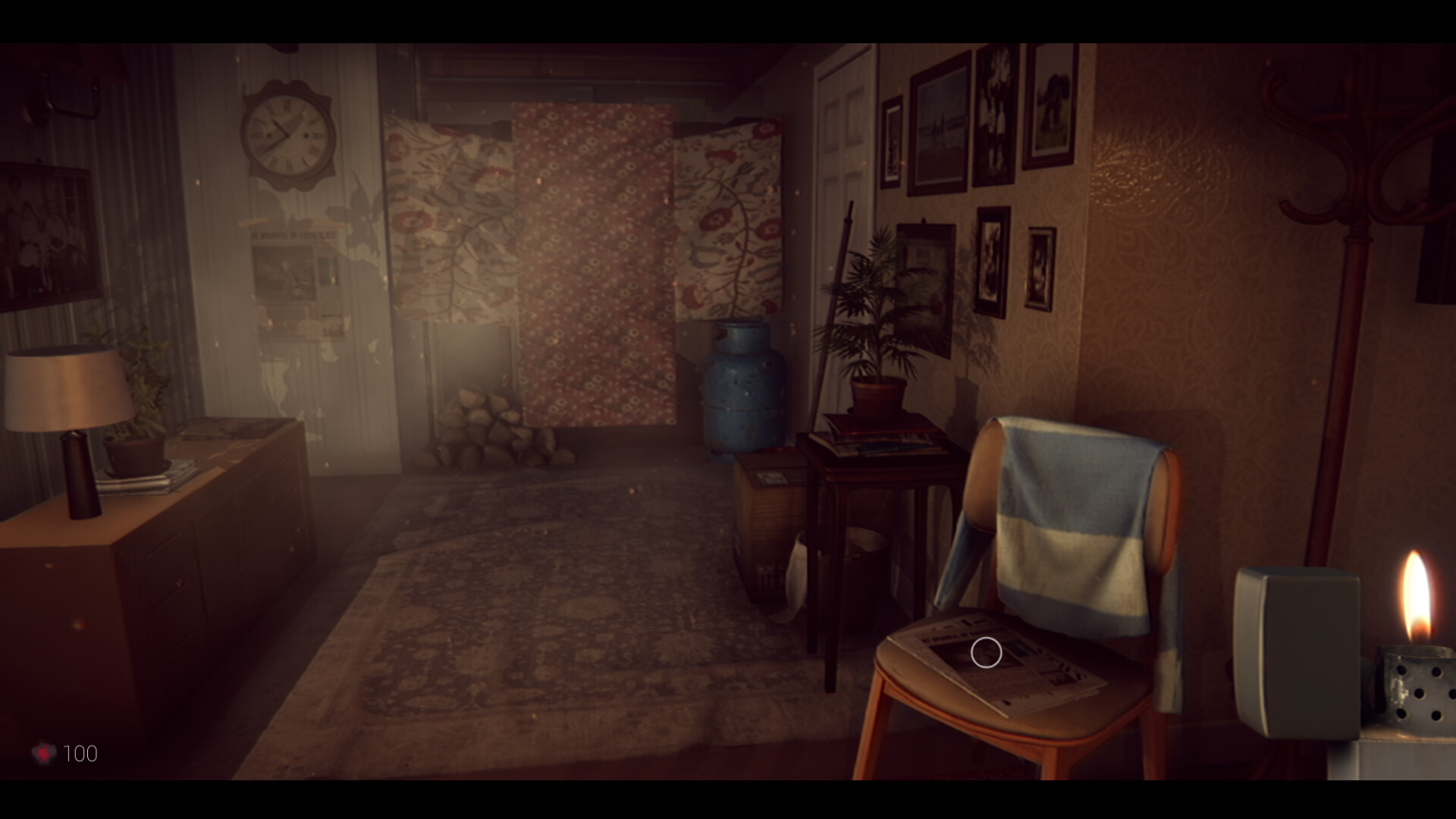
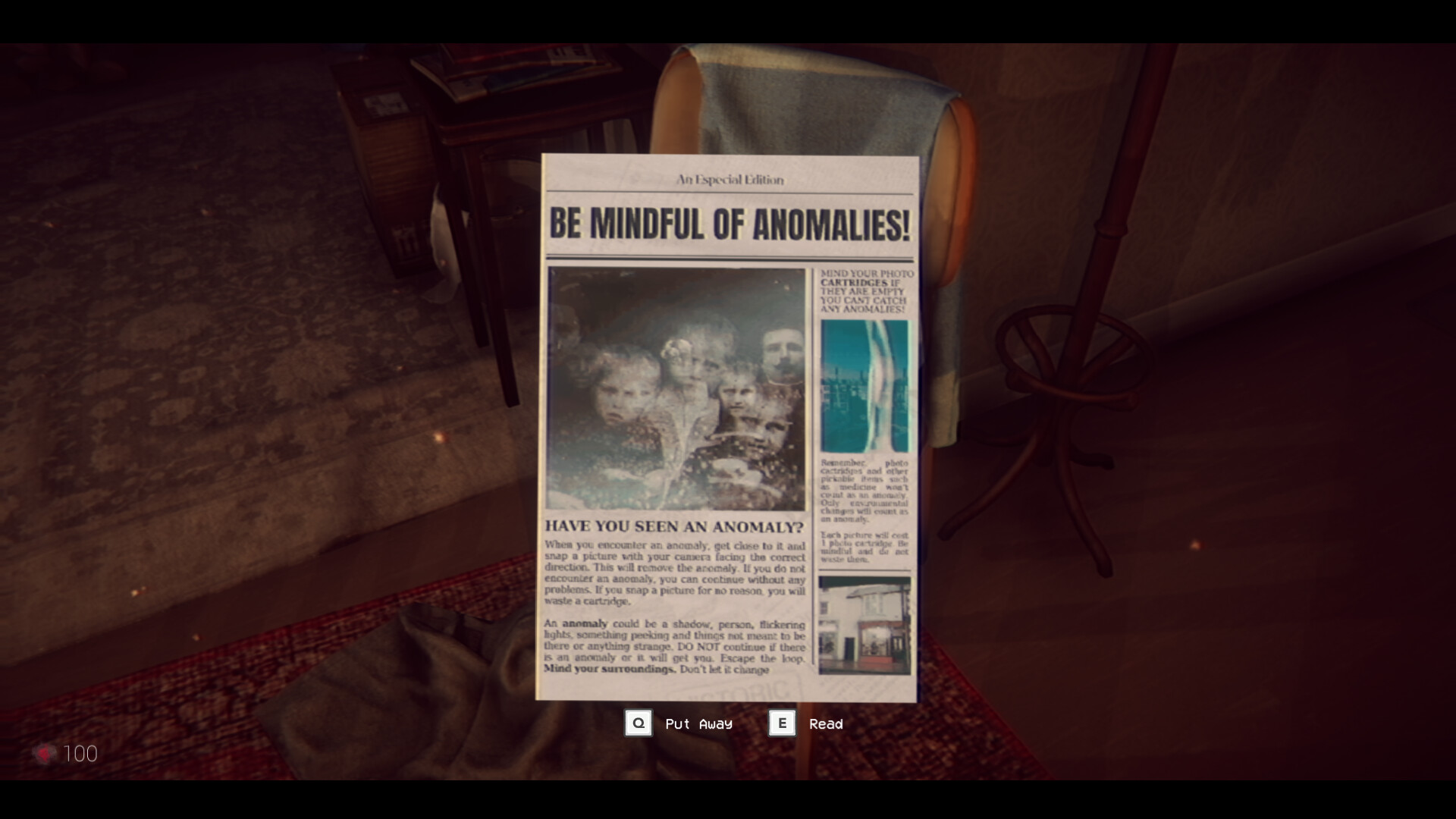
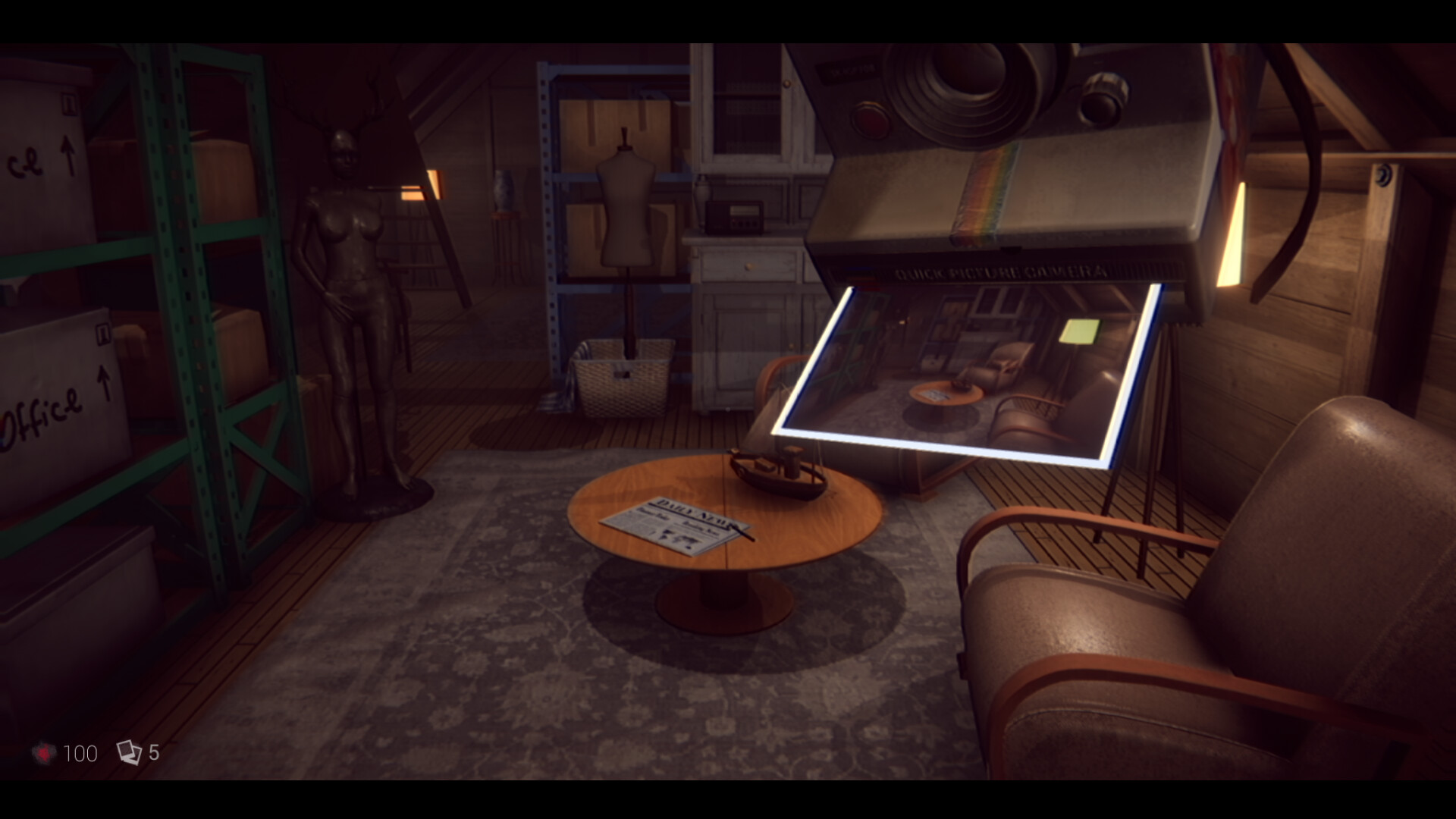
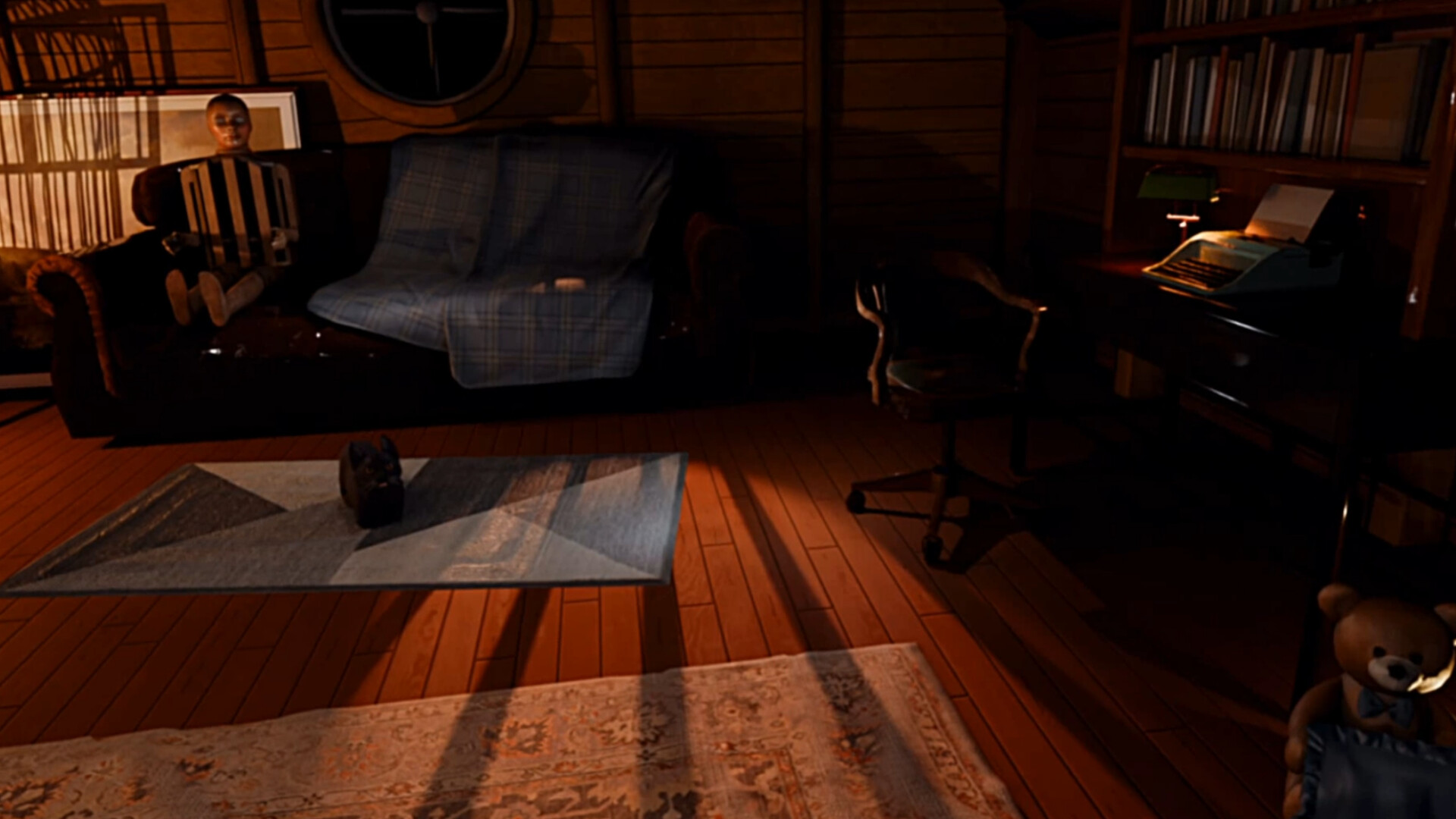
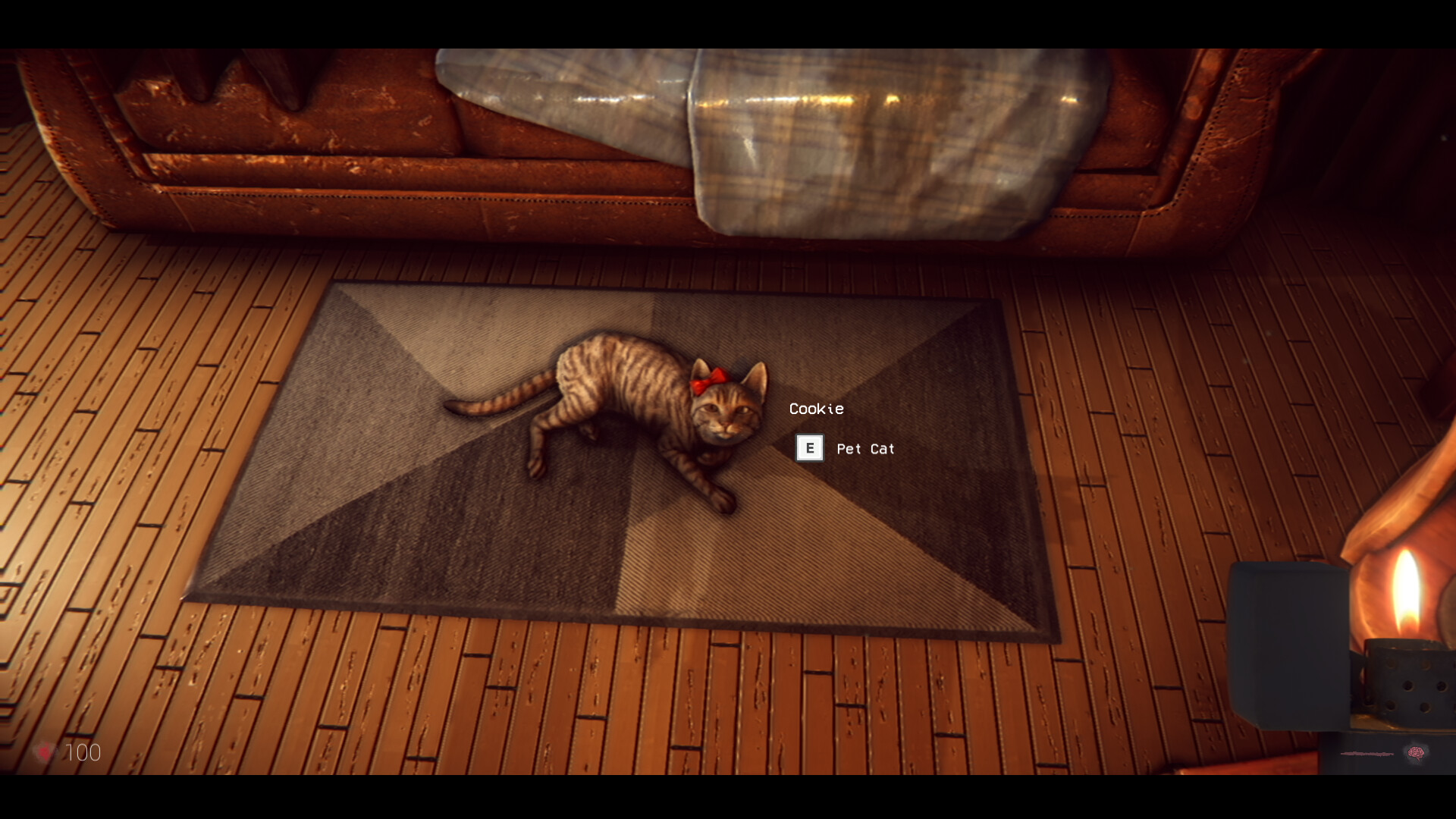
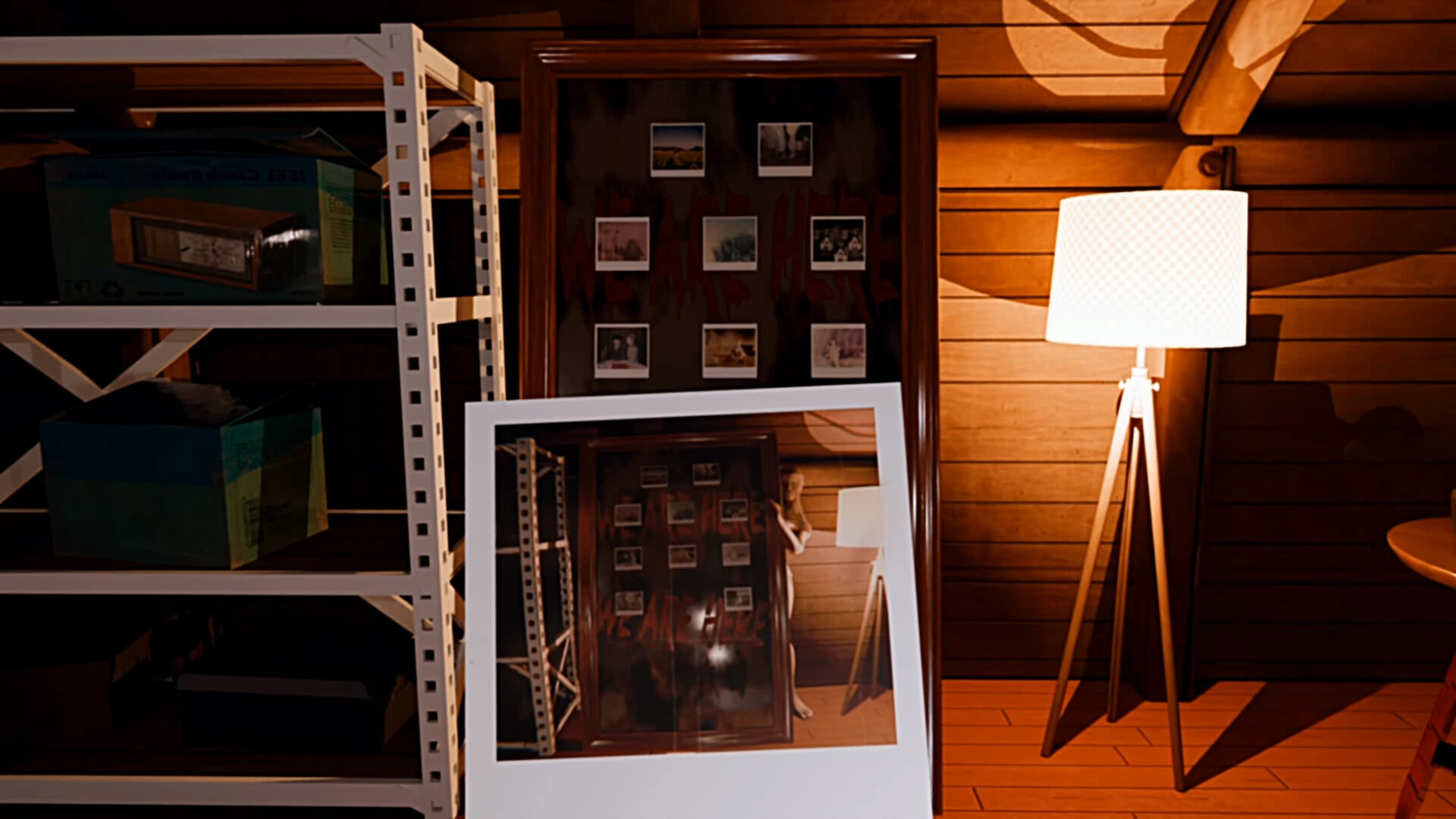
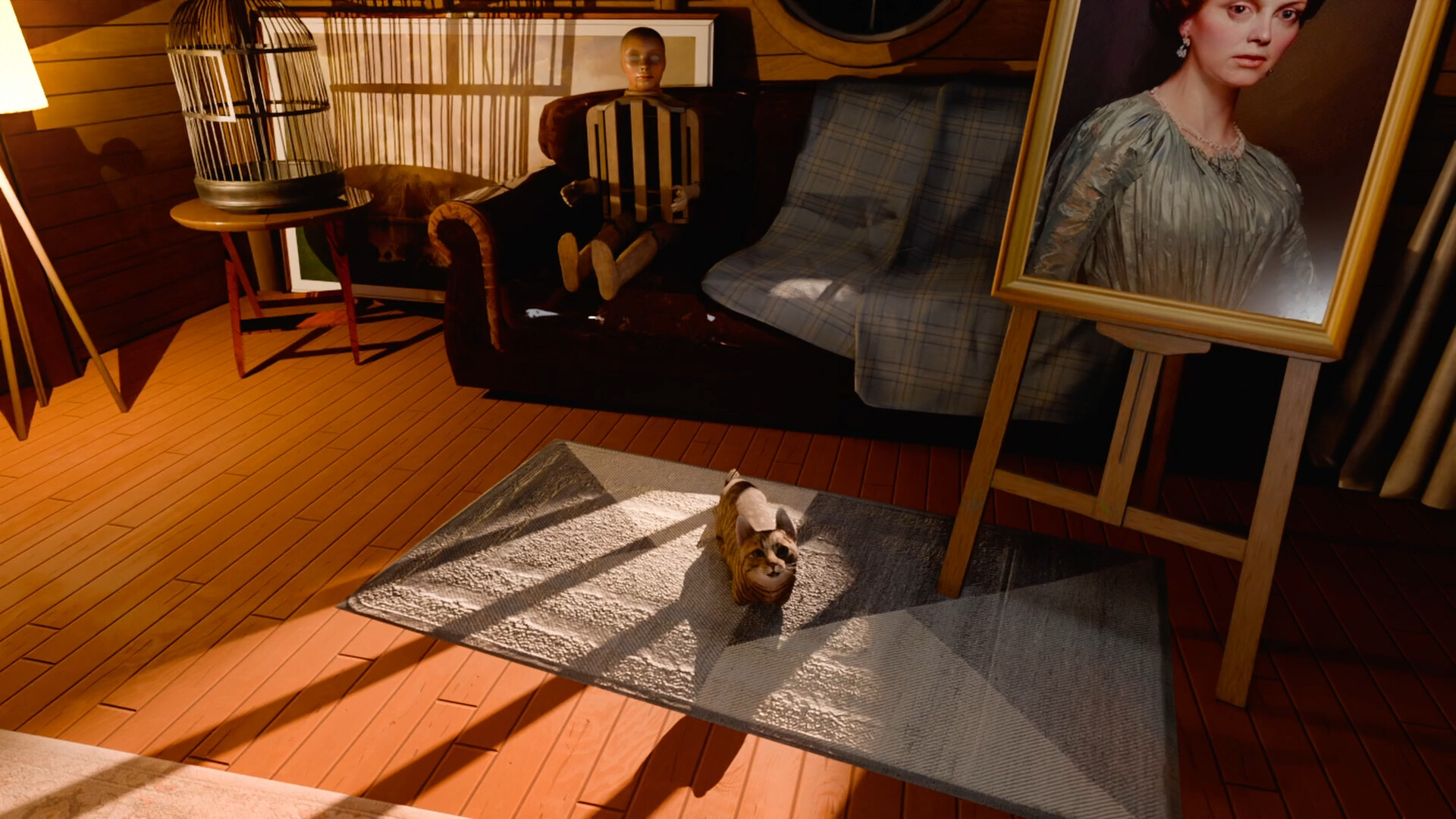
The core is hunting for anomalies with a limited film instant camera: you scan rooms by illuminating corners with a lighter, detect changes (wandering shadows, spectral figures) and shoot. A successful photo eliminates the threat and unlocks memories, allowing you to climb to the next floor via stairs. Failing drains health (anomalies attack you on the way up) or sanity (visual distortions), restorable by petting the customizable cat — a fun touch that eases tension.
Two modes differentiate the experience: Story, relaxed for learning patterns, and Chase, with a chasing entity that speeds up sanity drain and adds unique anomalies. The loop forces strategic repetition: not all floors have anomalies, and subtle ones require patience, with perceptive tricks such as rapid movements or optical illusions. Cartridge management creates risk – spending on false positives leaves you vulnerable – and checkpoints prevent extreme rage if you fail.
However, the imprecise detection of photos and errors when reloading are frustrating, in addition to the repetitive design can be tiring in long sessions, making games of 1-1.5 hours maximum ideal.
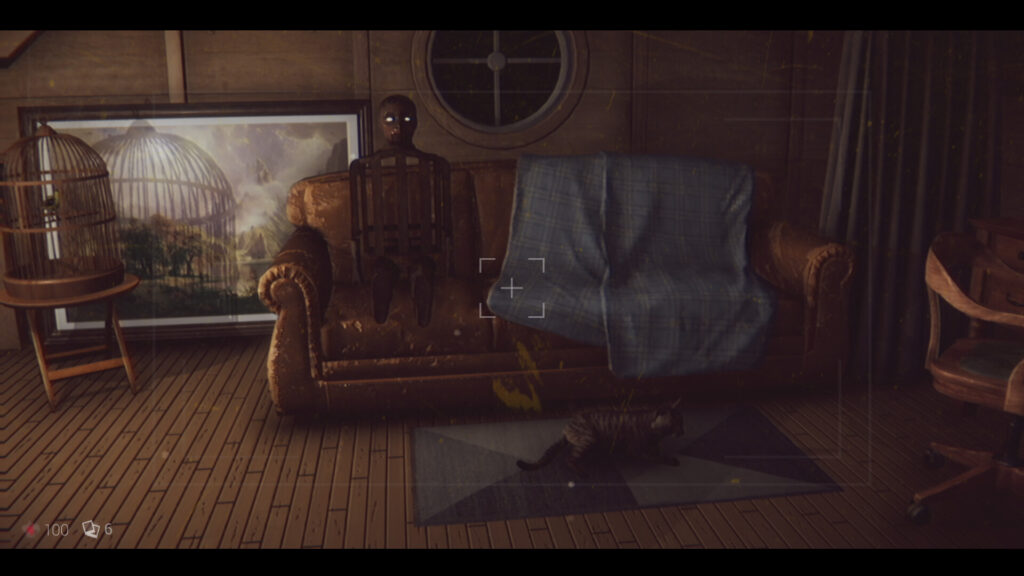
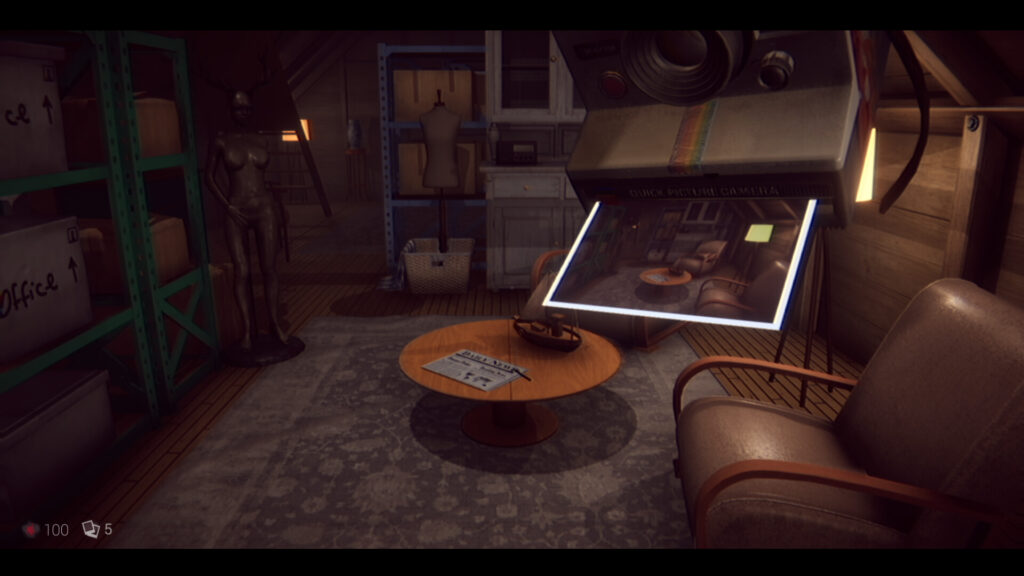
Graphics and atmosphere: A realistic, drowning attic
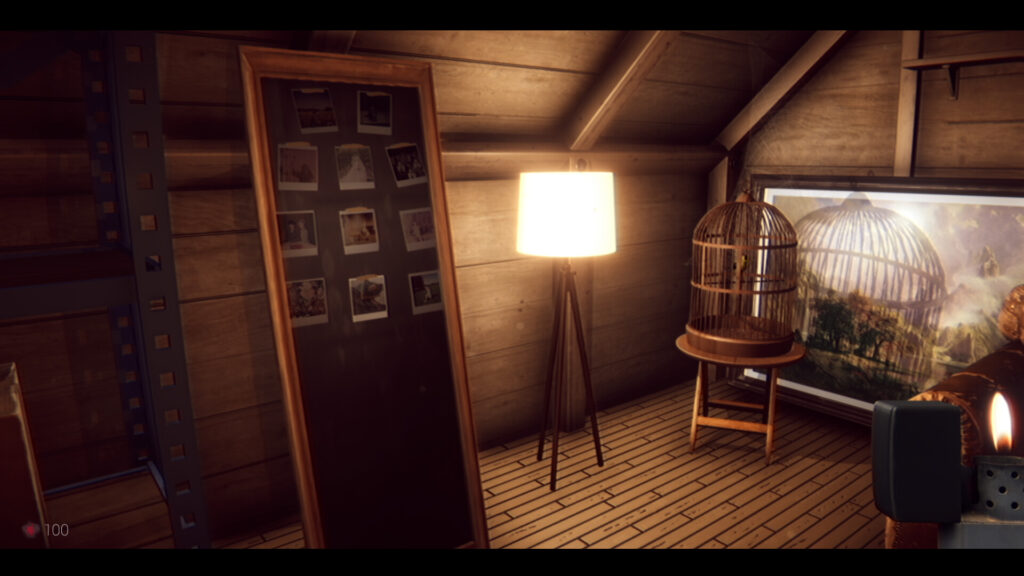
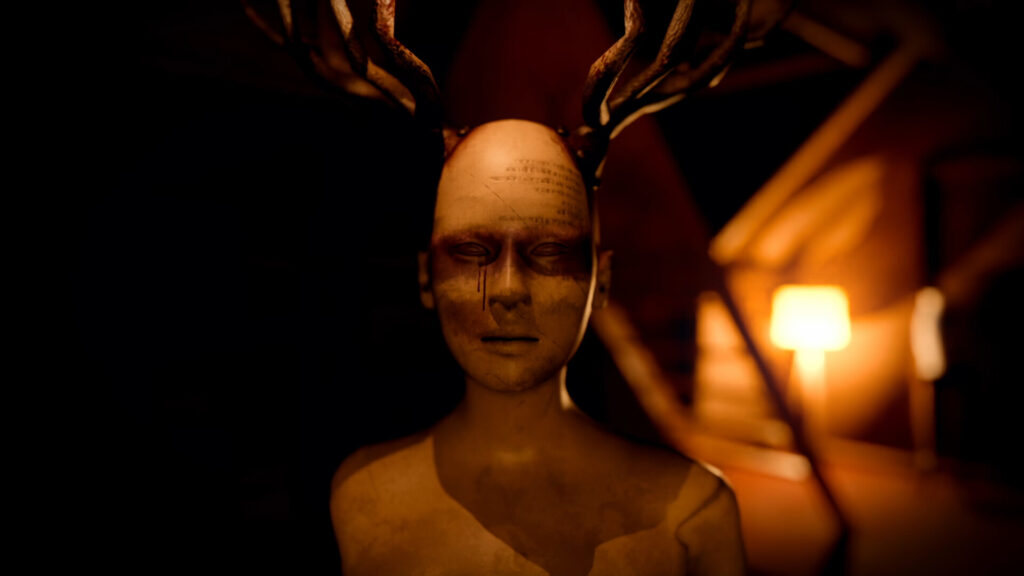
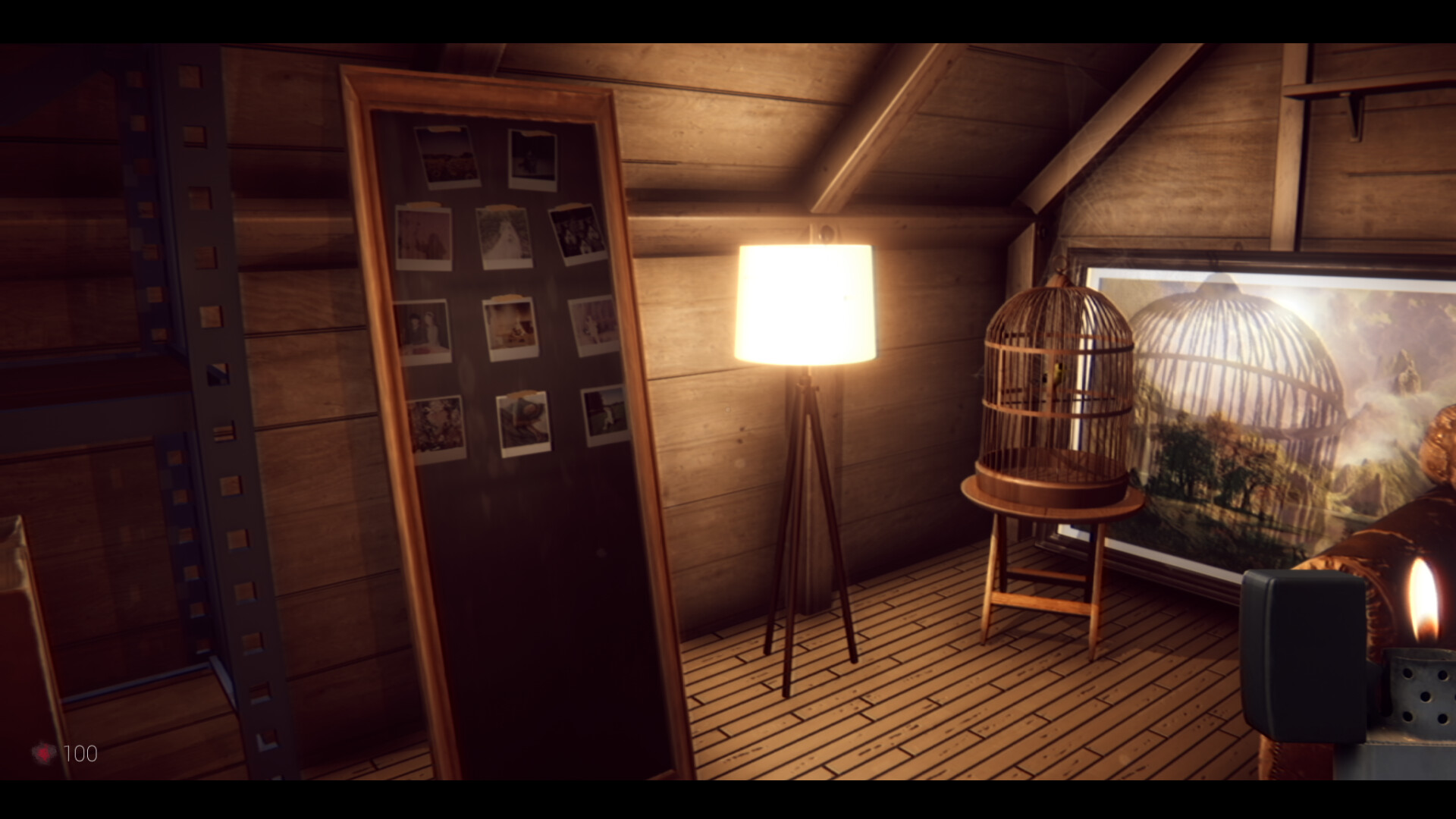
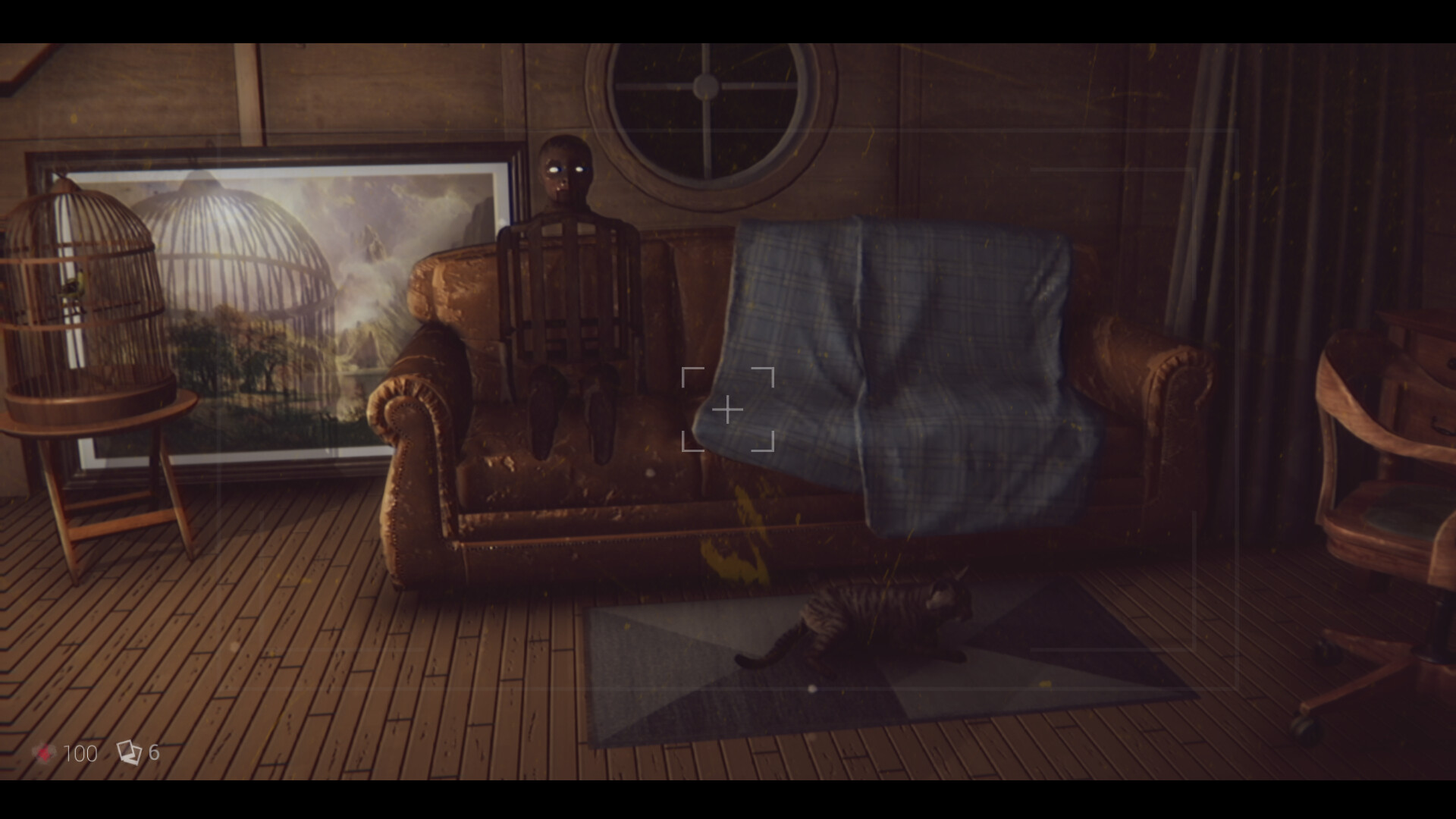
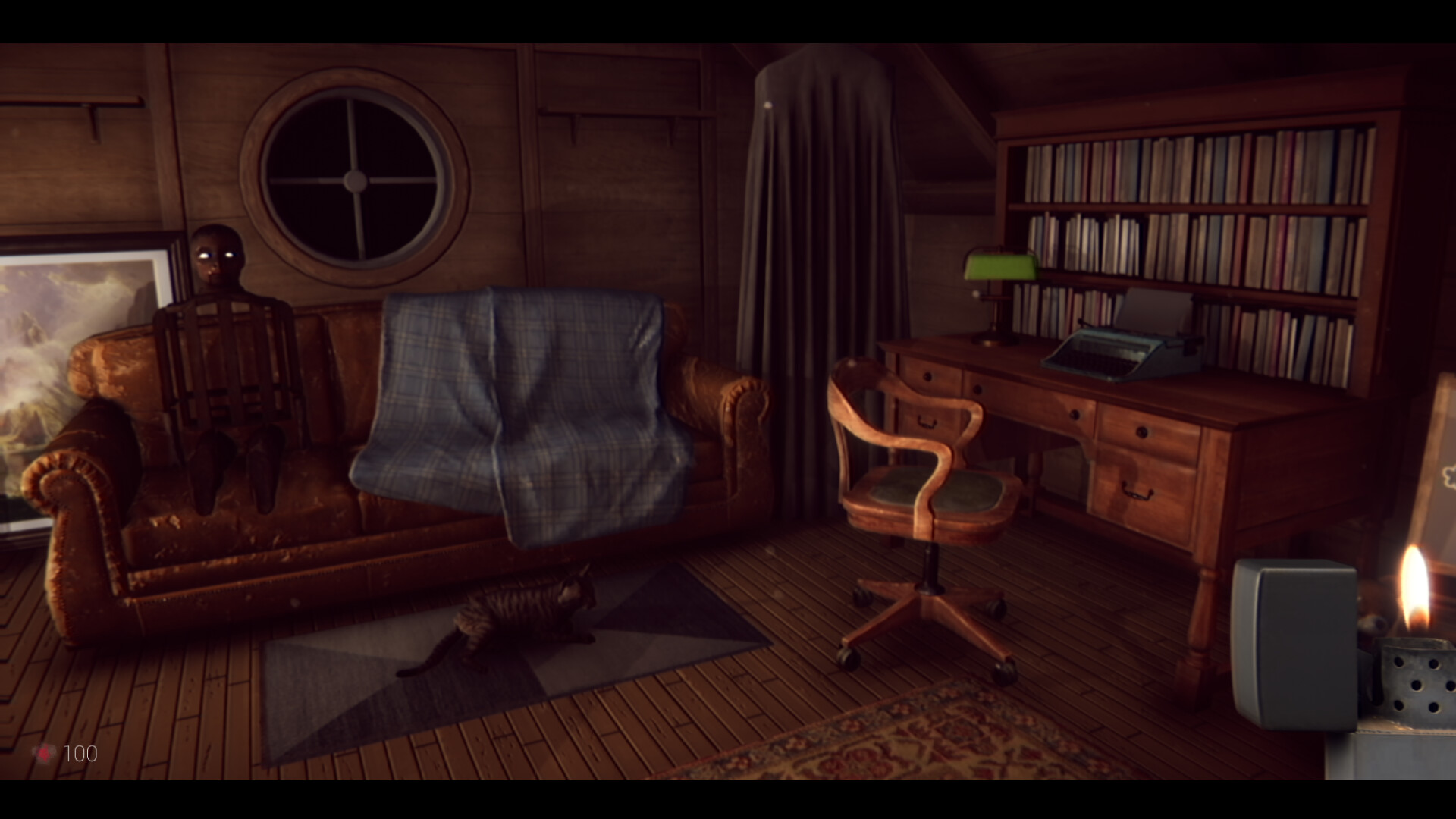
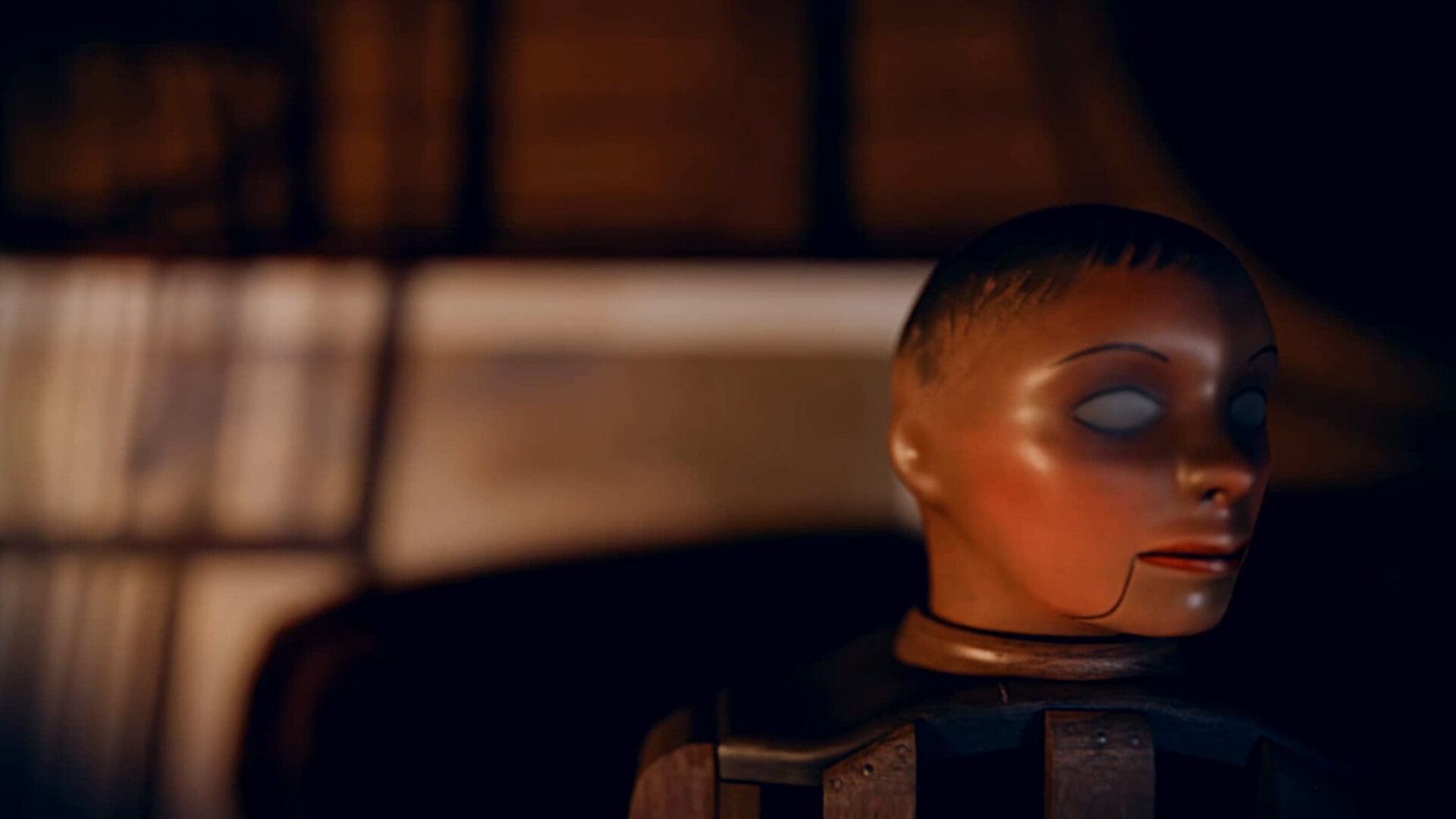
The realistic environment – shiny porcelain, accumulated clutter – creates palpable claustrophobia, with dynamic lighting hiding threats in shadows. Details such as dust particles or subtle reflections enhance paranoia, although small space accelerates visual boredom. Basically, you'll be seeing the same thing over and over again, with subtle changes, but the same scenario.
The atmosphere shines in its minimalism: loops that change minimally and generate constant doubt, and the chase in Chase mode raises the pulse without abusing shocks.
Personal opinion: Compact tension with untapped potential
The 18th Attic convinces in its anomaly hunting niche due to its camera-memory integration and the cat as an emotional anchor, achieving genuine scares and a story that resonates despite its simplicity. For a single dev, the polish is impressive, but because it is so repetitive, it loses fluidity, limiting it to fans of the subgenre. It remains an effective brief experience, but it requires more variety to fully shine.
![[Analysis] The 18th Attic: Paranormal anomalies in an attic that looks back at you](https://combogamer.com/wp-content/uploads/2026/02/the-18th-attic-05-1024x576.jpg)
![[Analysis] The 18th Attic: Paranormal anomalies in an attic that looks back at you](https://combogamer.com/wp-content/uploads/2026/02/the-18th-attic-03-1024x576.jpg)
![[Analysis] The 18th Attic: Paranormal anomalies in an attic that looks back at you](https://combogamer.com/wp-content/uploads/2026/02/the-18th-attic-02-1024x576.jpg)
Conclusion: Go up to the attic if paranoia attracts you
The 18th Attic is a perfect fit for quick nights of observational horror on PC. If you enjoy hunting differences in realistic scenarios and a repetition with differences style liminal spaces, dare; If you prefer variety, let it pass. Tell me if the cat saved your sanity!
Related Articles
![[Analysis] Celestial Return: Losing the dice is also losing the game](https://combogamer.com/wp-content/uploads/2026/07/celestialreturn_keyart-300x182.jpg)
![[Analysis] Mixtape: the narrative adventure that turns a 90s mixtape into an unforgettable video game](https://combogamer.com/wp-content/uploads/2026/07/mixtape-poster-300x160.png)
![[Analysis] Scholar Adventure: Mystery of Silence — A Journey to an Abbey that Whispers Secrets](https://combogamer.com/wp-content/uploads/2026/06/Scholar-Adventure-Mystery-of-Silence_poster-300x169.png)

![[Analysis] OUTBLAST — When 2000s Arcade Puts on the VR Goggles (and Still Unimpressed)](https://combogamer.com/wp-content/uploads/2026/06/OUTBLAST-poster-300x172.jpg)
![[Analysis] NODE: The Last Favor of the Antarii — Program Every Leap to Save the World](https://combogamer.com/wp-content/uploads/2026/06/NODE-poster-300x169.jpeg)