


Table of Contents
- The plot: An AI that delves into your personal terrors
- Gameplay: Variety of horrors with peaks and valleys
- Graphics and atmosphere: UE5 at the service of visceral horror
- Sound and soundtrack: Audio that sticks in the brain
- Personal opinion: Ambitious indie with great sparks and avoidable failures
- Conclusion: Enter the simulation if you are tempted by adaptive horror
A.I.L.A. bursts forth as a bold experiment where you are the sole tester of an AI that designs horror experiences based on your deepest fears. Released on November 25, 2025 by Pulsatrix Studios and Fireshine Games, this first-person title immerses you in the near future with immersive VR, jumping between chapters that parody classic horror genres. I toured its mutating settings – from everyday apartments to medieval dungeons – and came out with a charge of adrenaline that mixes innovation and technical stumbles, in a debut that celebrates Brazilian talent but stumbles in its average execution.
The plot: An AI that delves into your personal terrors
You play Samuel, a freelance tester who receives a development kit from SyTekk to test A.I.L.A., an artificial intelligence that generates custom horror worlds. Each "simulation" is a different chapter: infinite corridors, binary libraries or haunted castles, where the AI learns from your reactions to refine the panic. The meta narrative questions the fine line between game and reality, with ramifications based on your feedback and decisions that alter the flow.
I was quite hooked on how each phase evokes classics – echoes of Resident Evil orSilent Hill– but with a cybernetic twist that criticizes the abuse of AI. The final twists, with multiple endings, close emotional arcs that leave you thinking about technological ethics, although the pacing falls off a bit in the middle with predictable repetitions.
Gameplay: Variety of horrors with peaks and valleys
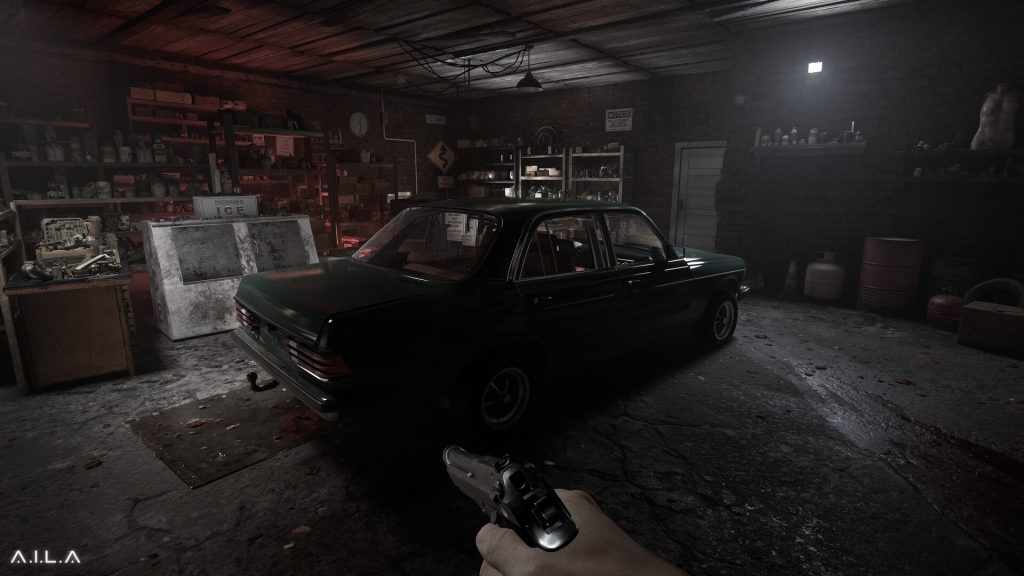
The core alternates walking simulator in the real world – collecting packages and chatting with the AI – with survival horror in the simulations: logical puzzles such as decoding patterns or manipulating portals, and combat against aberrations with improvised weapons. You change scenarios drastically – fromstealthto medieval action–, which maintains freshness in its 8-12 hour campaign.
I enjoyed the adaptability of the AI, which adjusts enemies based on your weaknesses, but the combat feels a bit clunky:hitboxesImprecise and stiff animations cause some boss frustration. The puzzles are of accessible simplicity, and have generous checkpoints, although the linear progression limits the initial replayability. On consoles it runs decent post-patches, but there are some crashes and optimization problems on Steam Deck, although I have not suffered them on the ROG Ally, since it uses Windows and not SteamOS.

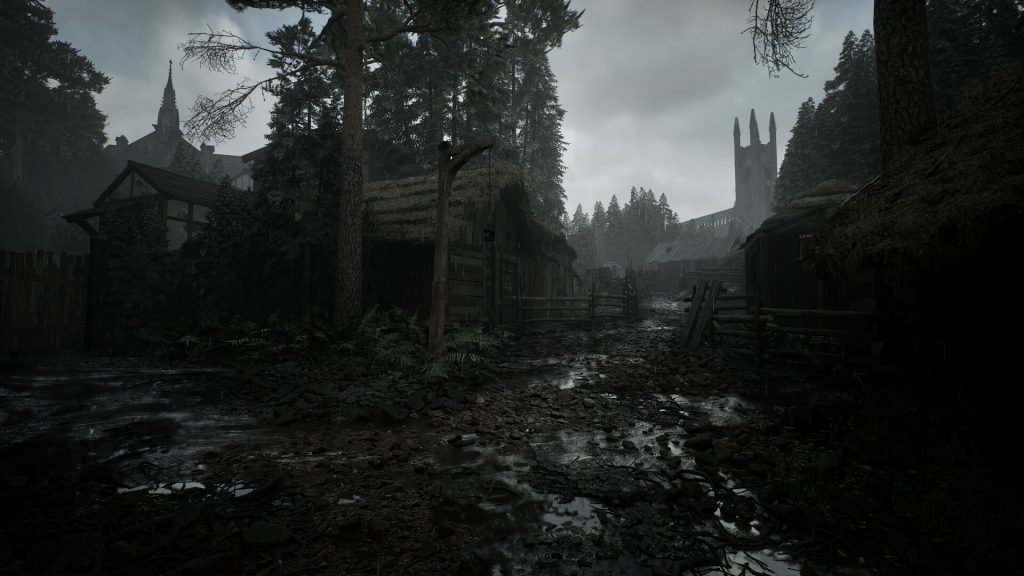
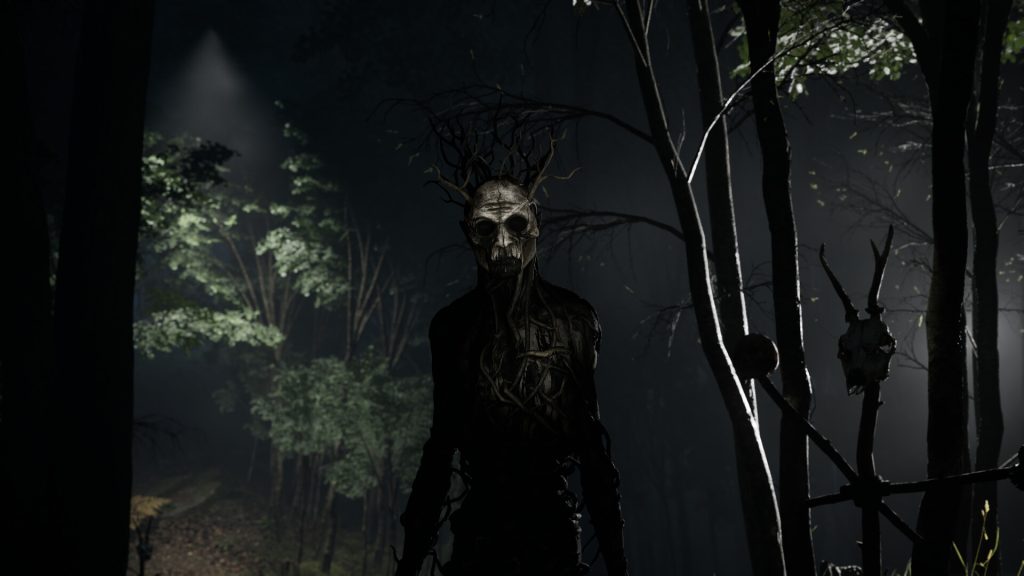
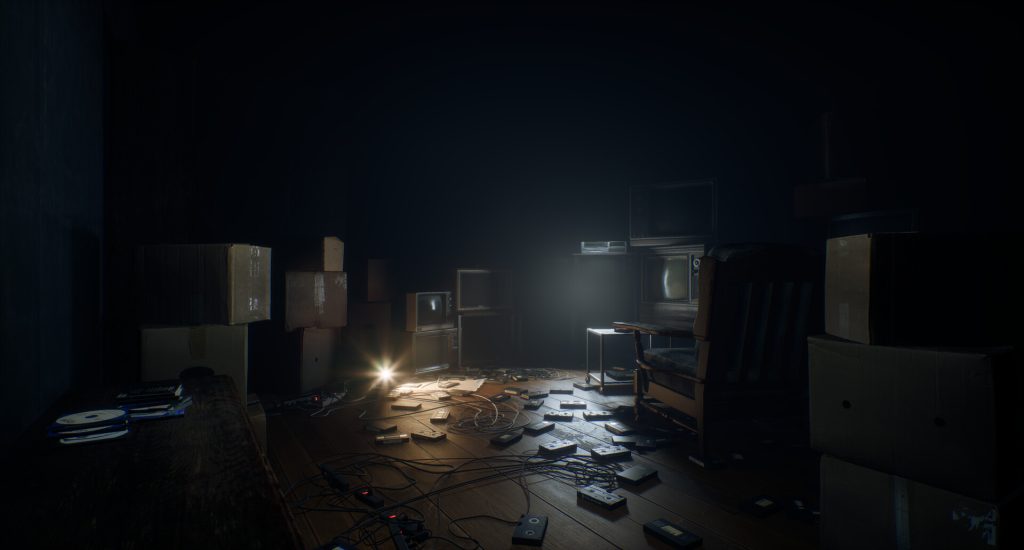
Graphics and atmosphere: UE5 at the service of visceral horror
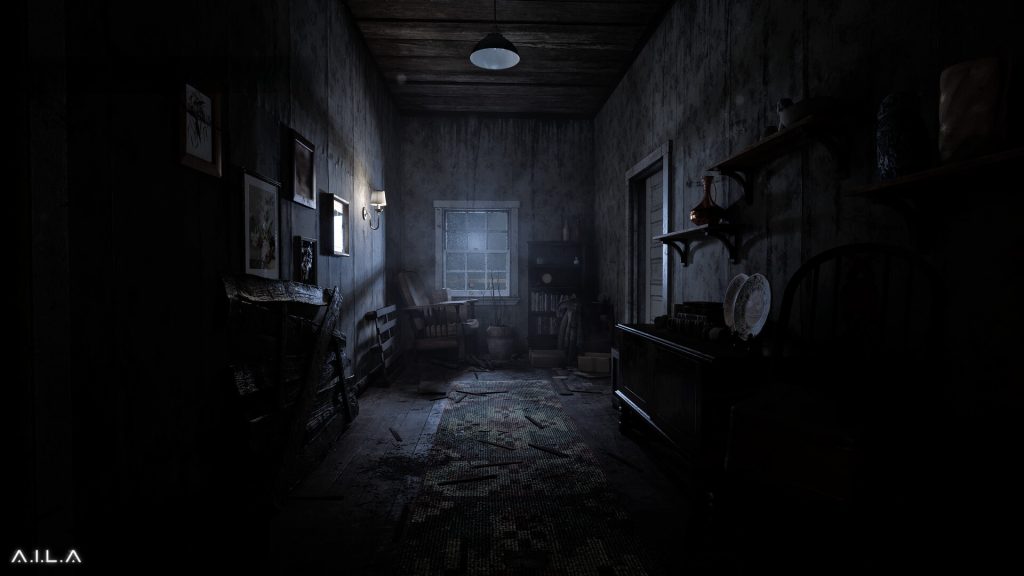
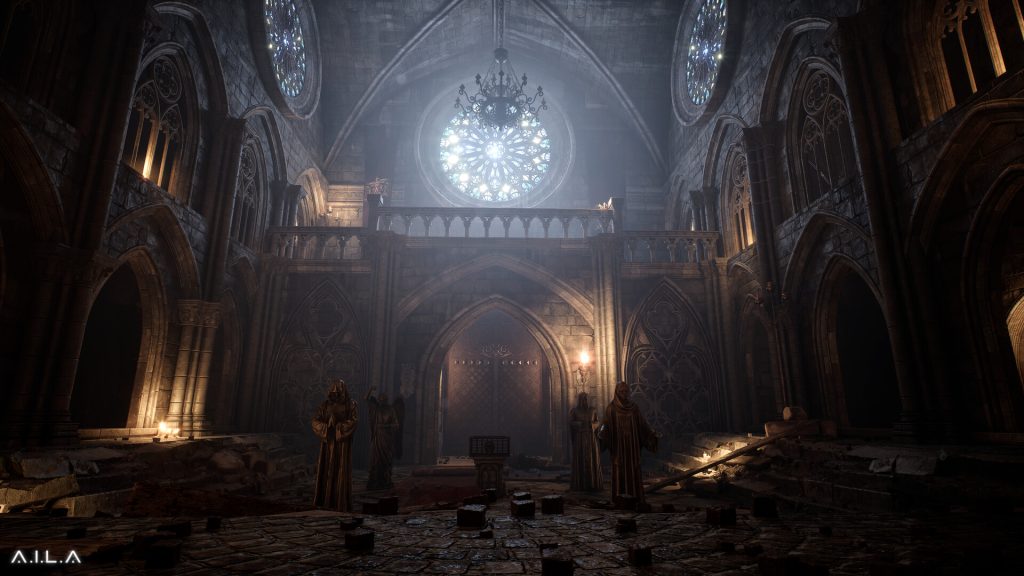
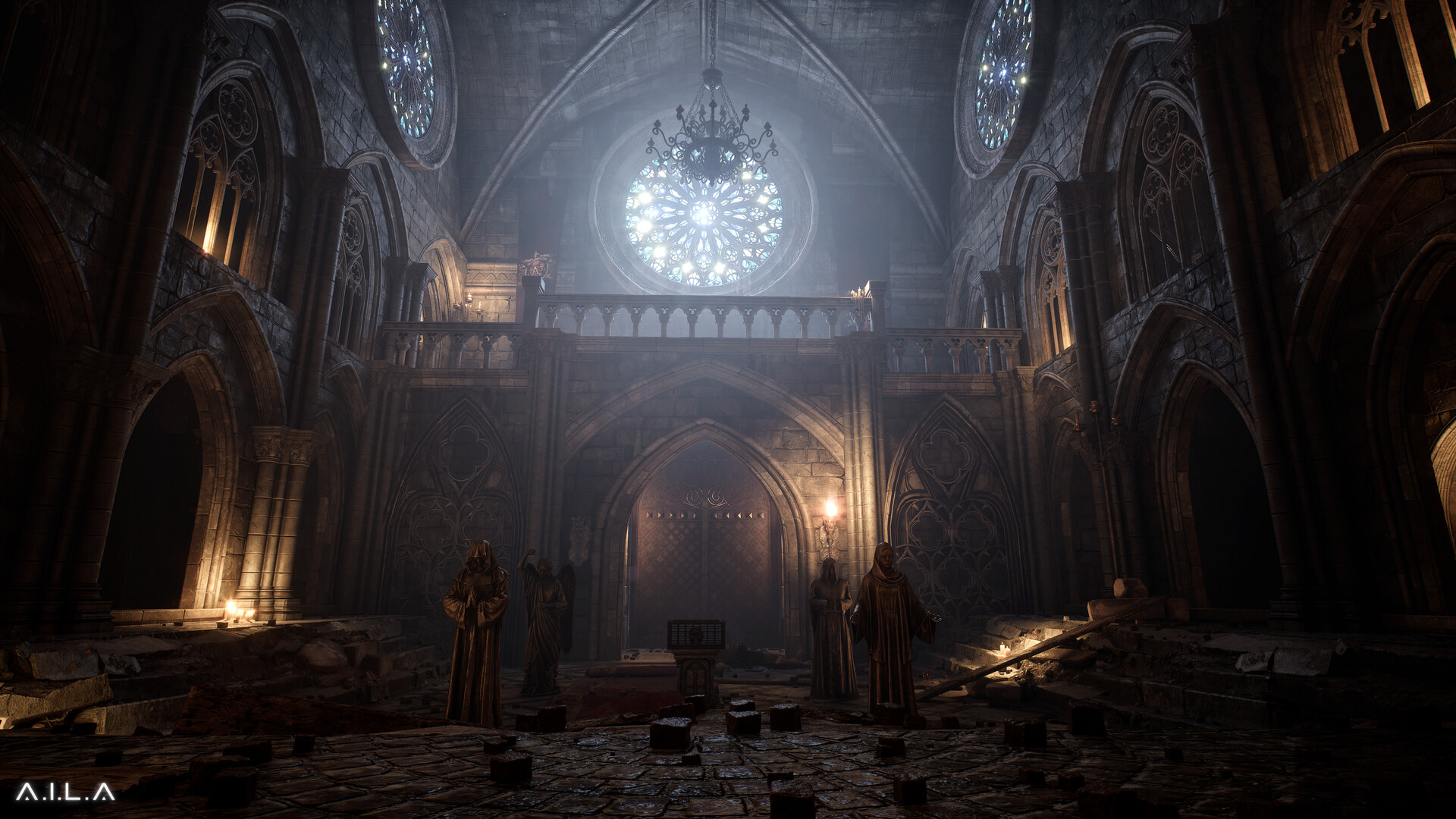
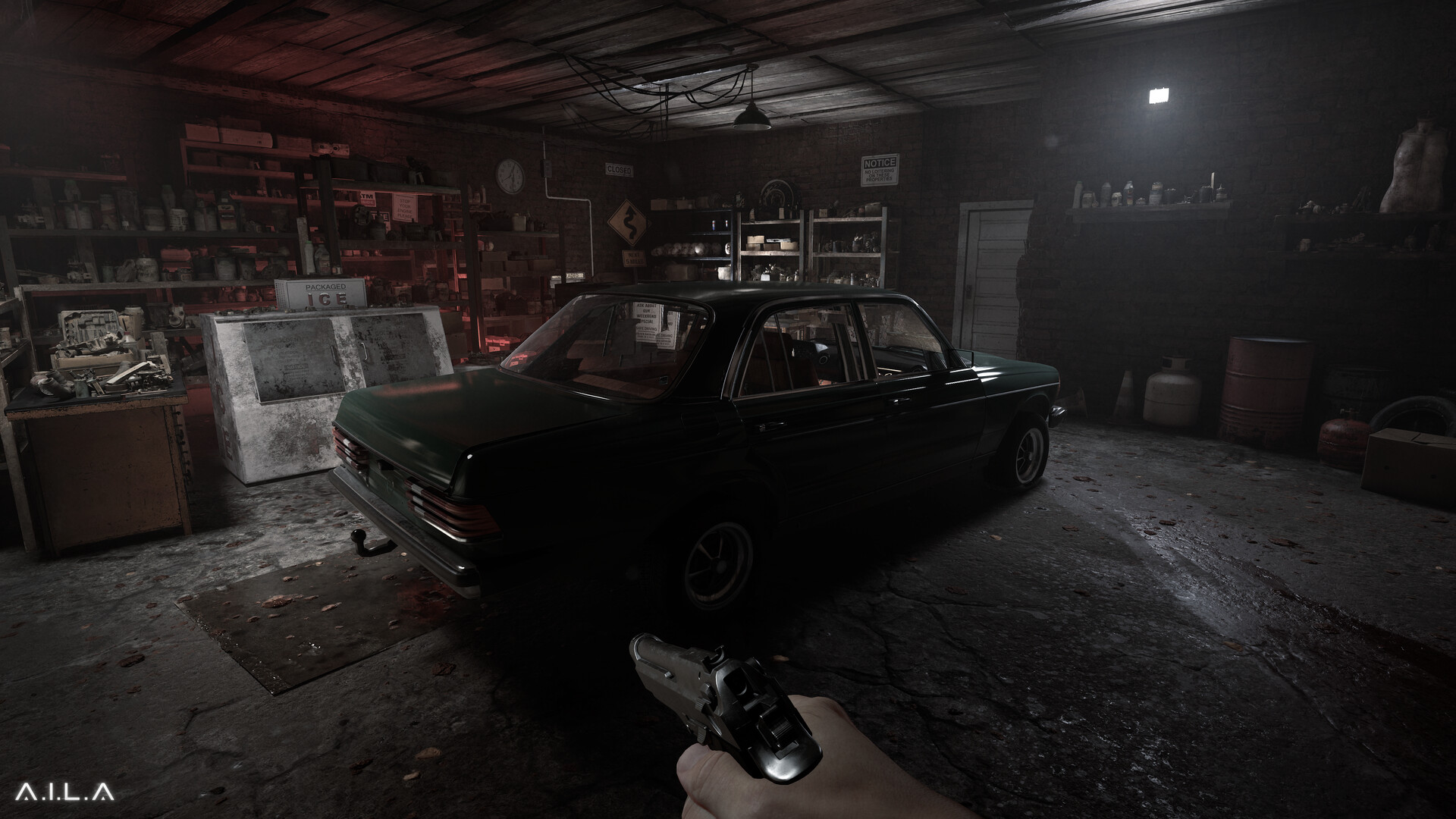
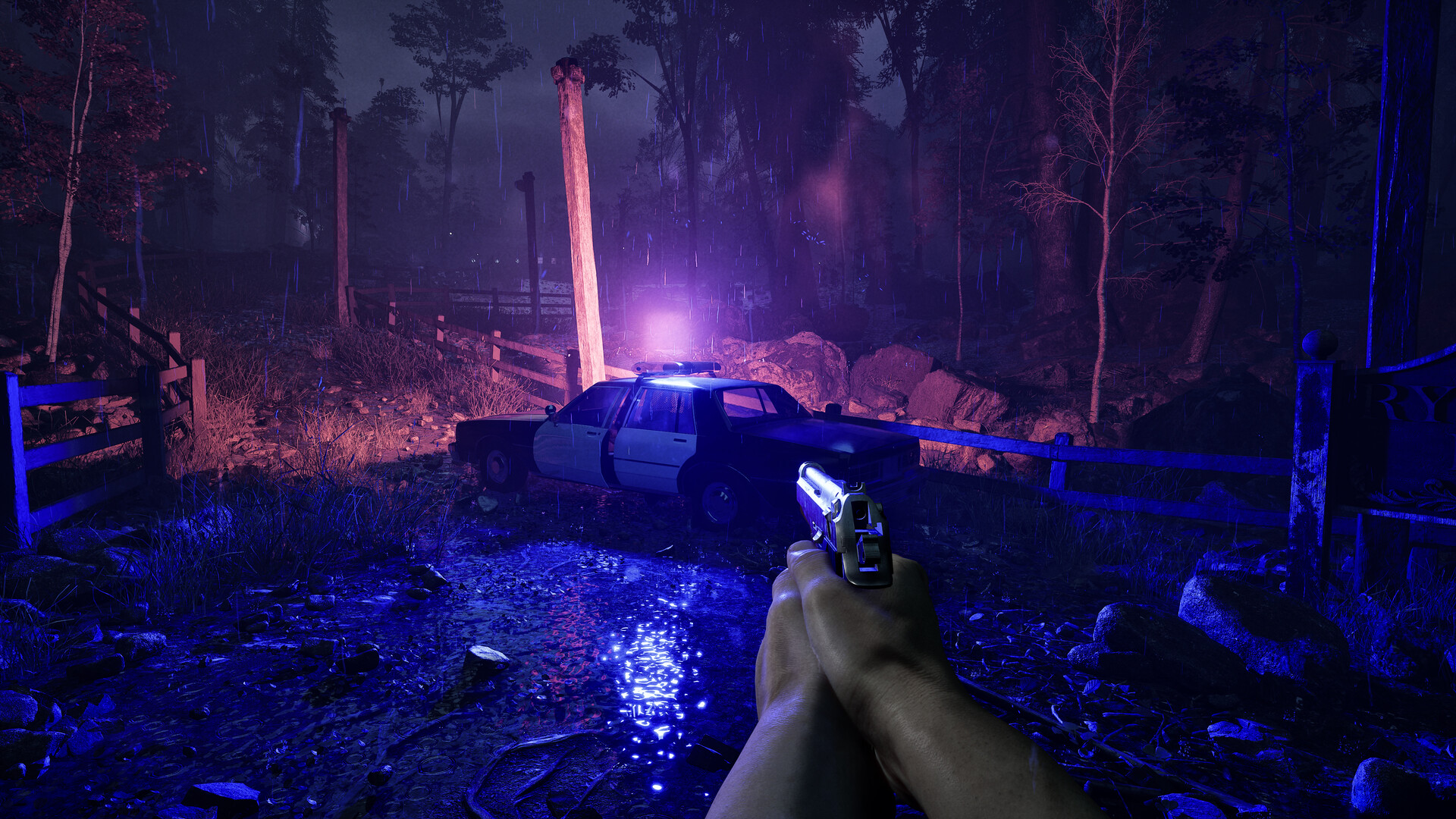
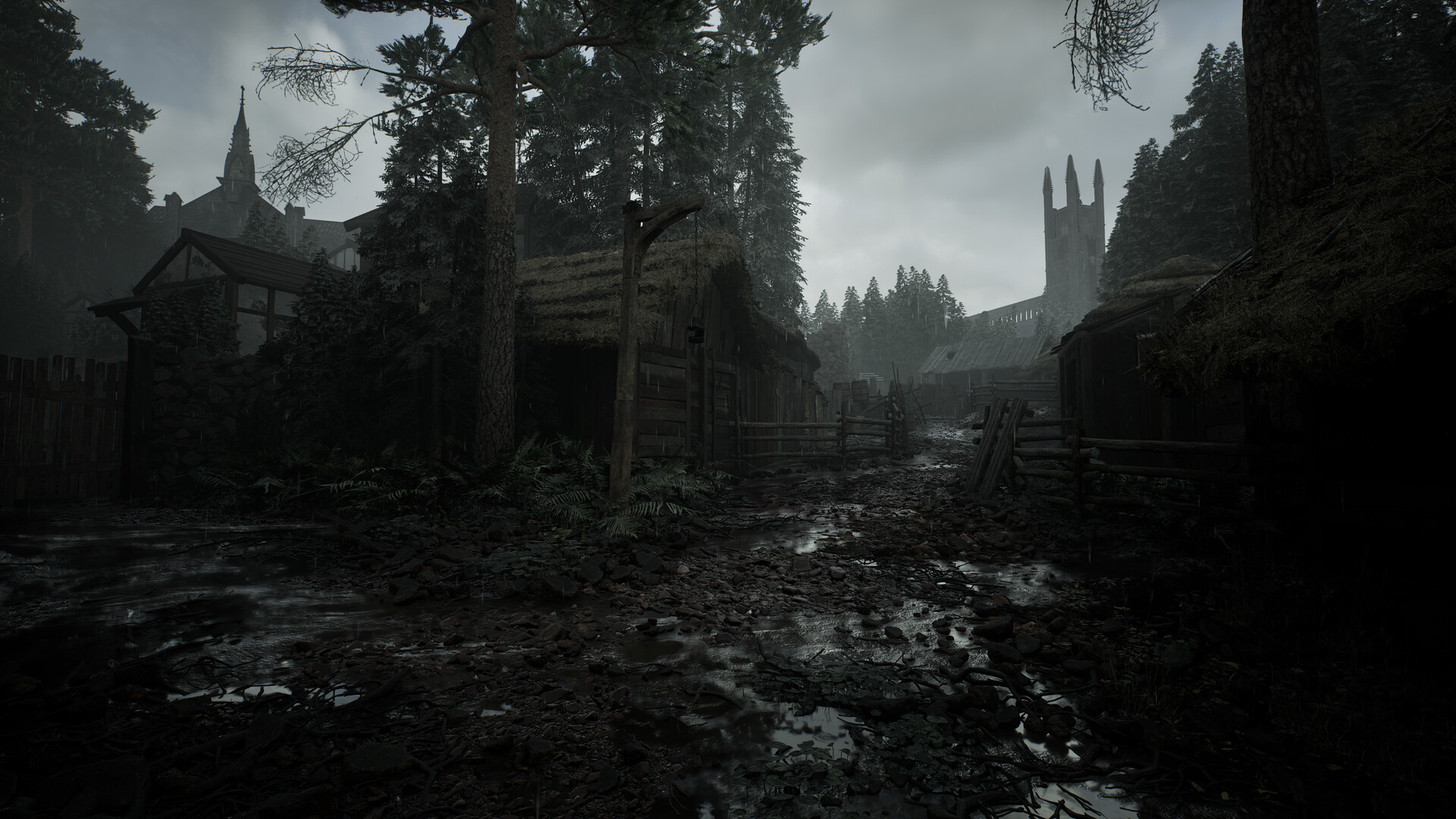
Powered by Unreal Engine 5, A.I.L.A. dazzles with lumen lighting that colors hallways with oppressive shadows and meta-human textures on haunting NPCs. The settings – minimalist apartments to Gothic fortresses – convey futuristic decadence, with dynamic fogs and distortions that enhance that feeling of psychological stress.
Atmosphere is its lethal weapon: silence broken by algorithmic whispers generates genuine paranoia, and VR/reality transitions blur borders. There are some visual glitches and forced animations, but the visual package justifies next-gen, especially on high-end PCs where you can run everything at its maximum.
Sound and soundtrack: Audio that sticks in the brain
The sound design is very good: synthetic voices by A.I.L.A. that evolve from neutral to sinister, hyper-realistic SFX such as metallic creaks or infinite echoes, and an industrial-style soundtrack that hits well. The English voices (with Spanish subs) convince, conveying fatigue and internal terror.
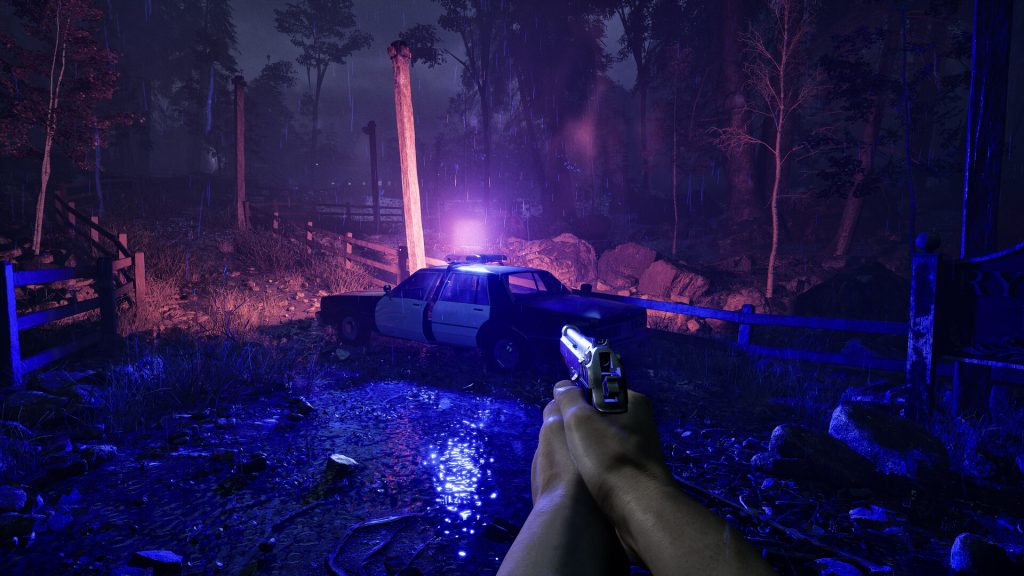
Personal opinion: Ambitious indie with great sparks and avoidable failures
A.I.L.A. It stands out for its concept – an AI that “plays” with you –, although it is not something revolutionary, and for its variety that avoids monotony, being a Brazilian pride that can rival global indies. The opening and closing chapters are memorable, with ethical reflections, but the clumsy combat and its somewhat irregular pacing weigh it down.
As a fan of this type of horror games, I value it for its freshness, although it currently needs some patches to polish the rough edges.
Conclusion: Enter the simulation if you are tempted by adaptive horror
A.I.L.A. It is a brave proposal for lovers of innovative survival horror, with the potential to grow via updates. If you're intrigued by an AI that designs your nightmares, take heart: its ups outweigh the downs. Try it and tell me in the comments which simulation paralyzed you the most!





Related Articles
![[Analysis] Mixtape: the narrative adventure that turns a 90s mixtape into an unforgettable video game](https://combogamer.com/wp-content/uploads/2026/07/mixtape-poster-300x160.png)
![[Analysis] Scholar Adventure: Mystery of Silence — A Journey to an Abbey that Whispers Secrets](https://combogamer.com/wp-content/uploads/2026/06/Scholar-Adventure-Mystery-of-Silence_poster-300x169.png)

![[Analysis] OUTBLAST — When 2000s Arcade Puts on the VR Goggles (and Still Unimpressed)](https://combogamer.com/wp-content/uploads/2026/06/OUTBLAST-poster-300x172.jpg)
![[Analysis] NODE: The Last Favor of the Antarii — Program Every Leap to Save the World](https://combogamer.com/wp-content/uploads/2026/06/NODE-poster-300x169.jpeg)
![[Analysis] Echo Generation 2 — When a Sequel Risks Everything](https://combogamer.com/wp-content/uploads/2026/06/Echo-Generation-2-poster-300x169.jpg)