
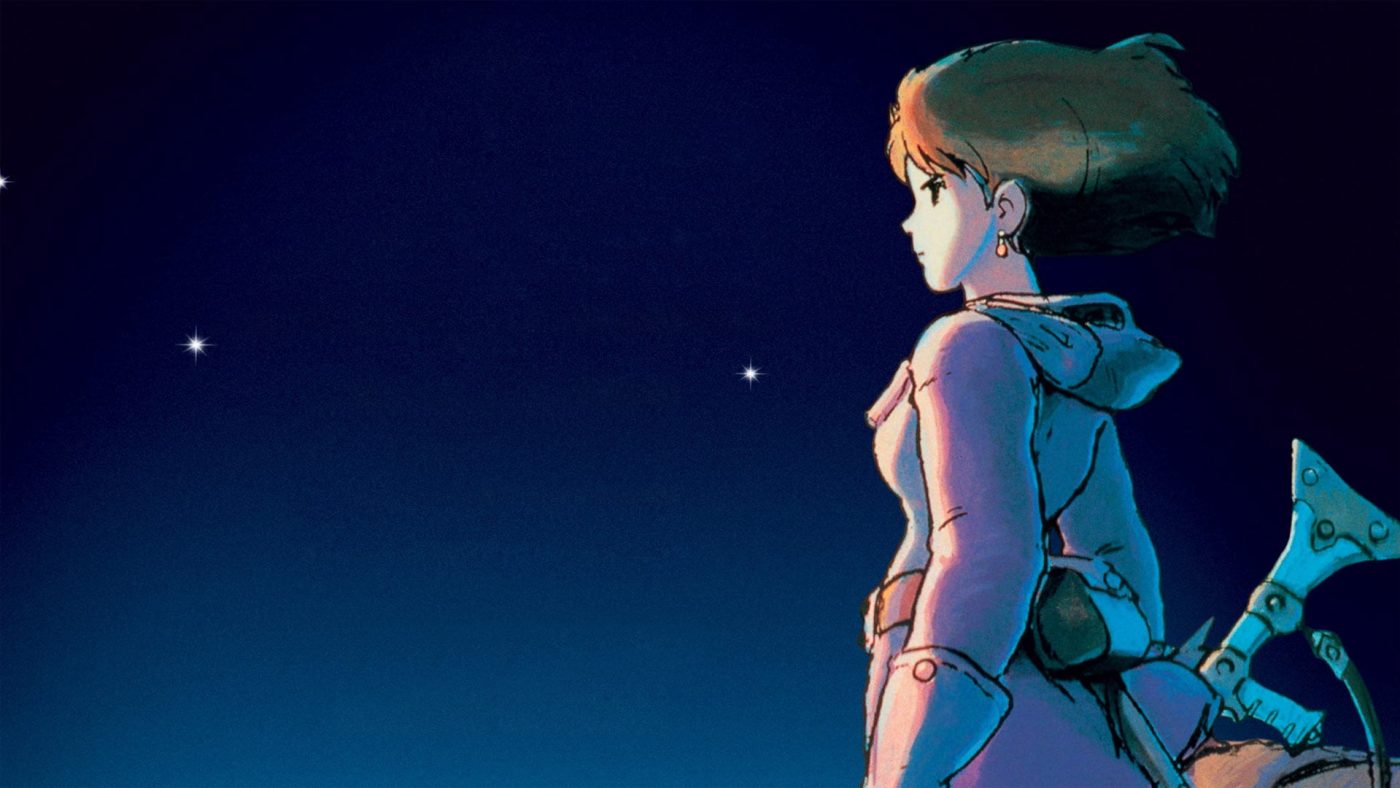

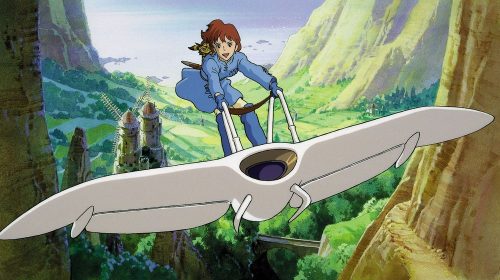
With Nausicaä we begin a very special cycle in ComboGamer in which we will try to analyze the filmography of one of the greats of cinema. We talk about Studio Ghibli, considered one of the best animation studios in the history of the seventh art.
The journey begins with Nausicaä of the valley of the wind. Based on the manga of the same name published in 1982 by the famous Japanese animator, screenwriter and producer Hayao Miyazaki, is the film adaptation directed by Miyazaki himself and produced by Isao Takahata, both founders of Studio Ghibli.
AlthoughNausicaä It's not strictly the studio's first film., the truth is that the critical and audience success of this film, as well as the good relationship between the common duo Miyazaki-Takahata, promoted the foundation from a studio that currently has slightly more than twenty films.
For those initiated into the Ghibli world, in love with films like The grave of the fireflies, Spirited Away either The moving castle you will not find in Nausicaä of the Valley of the Wind that sometimes abstract poetic fantasy typical of Miyazaki nor the hypnotic manners that we attribute to Takahata's films, although we will begin to see outbreaks of those styles, beginning with this film the magic of a studio that would go against the current when it comes to animation.
From 1984, a time when practically only animated films adapted from manga were produced, Nausicäa It is perfect to get started and delve into the filmography of this studio, not only because it is considered the first film but because although it is already quite far from the standards established in the anime of the time, it still retains certain traditional details that make the transition more accessible.
The film takes us to a post-apocalyptic world, a thousand years after a world war that has left the planet at the mercy of pollution and toxic gases. Pollution that has led to the formation of a forest of mutant vegetation and insects called the Sea of Putrefaction. A habitat that is fatally harmful to humans and that spreads uncontrollably towards the few habitable areas through the spores expelled by the flora. radiotrophic that contaminates everything it touches.
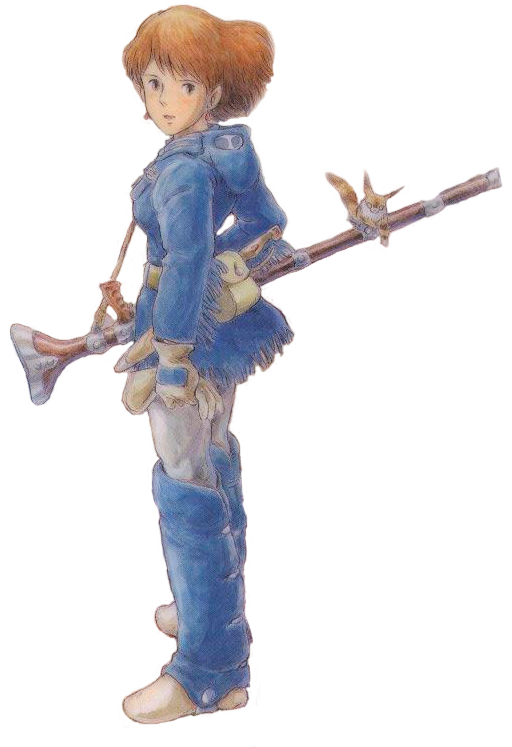
In this environmental context is the Valley of the Wind, a small agricultural kingdom surrounded by much larger and militarized powers where lives Nausicaä, the charismatic princess of this kingdom where they have learned to live with pollution and insects. A heroine who will fight fiercely for nature and against war.
a plot quite dense that suffers from an overdose of information in its two hours of footage, the result of the forced adaptation of a manga whose extensive content could well be enough for several films. Dense that not incomprehensible or boring as some describe this work, although it is true that due to the adult nature of its plot it is quite far from the children's audience compared to previous works by the Miyazaki-Takahata duo such as heidi, Frame either Anne of Green Gables.
![[Analysis] Nausicaä of the Valley of the Wind](https://combogamer.com/wp-content/uploads/2024/09/Nausicaa-del-Valle-del-Viento-4.jpg)

Brimming with action, the plot is built – as in a traditional anime – on characters not lacking in charisma but who they flatten out in a certain way –unlike the manga– to enhance the heroism of the protagonist, who stands out from the rest by playing a role that makes you fall in love with her sweet and tenacious personality. Without forgetting the Ohms, insectos sobre los que gira la historia que logran encandilar sin necesidad de texto ni expresión.
Los personajes no alcanzan ese punto Ghibli donde aunque se aprecian claros protagonistas y antagonistas, el resto de personajes adquieren una personalidad única. Sin embargo, no se puede condenar a esta película por no ser del todo Ghibli menos aún cuando cumple notablemente en todos los aspectos.
La forma naturalista y ecologista de tratar el abuso humano a través de los ojos de una niña y su pueblo de campesinos afables se adelanta a su tiempo. Cuando el Protocolo de Kioto no pensaba ni existir, esta película sobrecoge con una dura crítica que se desliza entre diálogos que abogan por la empatía, la tolerancia y el respeto. Un canto a la paz a pesar de mostrar numerosamente escenas bélicas bastante agresivas, maltrato a la naturaleza y despotismo exhacerbado.
![[Analysis] Nausicaä of the Valley of the Wind](https://combogamer.com/wp-content/uploads/2024/09/Nausicaa-del-Valle-del-Viento-3-1024x576.jpg)

Apología al ecologismo representada de forma sensible en ocasiones, chocante en otras, mediante una animación sublime -aunque pobre para Miyazaki- que solo es el preludio de lo que vendrá después. Y es que la principal problemática de este filme se encuentra en el presupuesto, los medios disponibles y la exigencia personal de mantenerse fiel a su obra original.
Tanto la dirección artística como la fotografía no llegan al nivel de las películas posteriores al la fundación del estudio, donde libres de ataduras pudieron crear obras originales sin límites a la creatividad. La obra sigue luciendo el inconfundible estilo de un Miyazaki que en estos momentos su talento supera a sus medios. Se aprecia cierto abuso de los tonos pastel y algunos otros detalles que notaremos por estar malacostumbrados a su estilo artístico. Pero en todo caso no es justo calificar negativamente este aspecto por no igualar una animación cronológicamente posterior que todos tenemos como referencia.
![[Analysis] Nausicaä of the Valley of the Wind](https://combogamer.com/wp-content/uploads/2024/09/Nausicaa-del-Valle-del-Viento-2.jpg)

![[Analysis] Nausicaä of the Valley of the Wind](https://combogamer.com/wp-content/uploads/2024/09/Nausicaa-del-Valle-del-Viento-6-1024x1004.png)
Analizando la animación de los 80 como marco contextual, descubrimos en esta obra de Miyazaki fotogramas para enmarcar, si bien la animación se mantiene estable y aceptable durante gran parte del metraje, en ocasiones rompe con micro-explosiones de arte Ghibli que te dejan asombrando. Cabe destacar la escena final que combina un dibujo exquisito y una música excelente.
Colaboran una vez más con el prodigioso Joe Hisaishi quien será el compositor habitual del estudio y cuyo trabajo en este proyecto no decepciona, se aprecia notablemente la influencia de los 80 en una banda sonora repleta de pistas electrónicas y frenéticas en combinación con algunas melodías melancólicas y sutiles perfectas para el momento que acompañan, entre las que destacan Legend of the Wind and Days Long Gone.
Related Articles
![[Playing…] Ni No Kuni: Wrath of the White Witch](https://combogamer.com/wp-content/uploads/2023/11/NiNoKuriWrathOfTheWhiteWitch-300x150.jpg)
![[Theme of the Month] Those wonderful years (part 2)](https://combogamer.com/wp-content/uploads/2016/10/Aquellos-Marvillosos-anos-2-portada-300x225.jpg)
![[Interview] Álvaro López and Marta García, authors of 'My Neighbor Miyazaki': "Making the book has been like a first love, being in the right place and time"](https://combogamer.com/wp-content/uploads/2024/09/Ghibli-Mi-Vecino-Miyazaki-300x181.jpg)
![[ComboAnálisis] Mi Vecino Totoro](https://combogamer.com/wp-content/uploads/2024/09/Mi-vecino-Totoro-300x169.jpeg)
![[ComboAnálisis] La Tumba de las Luciérnagas](https://combogamer.com/wp-content/uploads/2024/09/La-tumba-de-la-luciernagas-slider-300x169.jpg)
![[ComboAnalysis] Laputa: The Castle in the Sky](https://combogamer.com/wp-content/uploads/2024/09/Laputa-el-castillo-en-el-cielo-single-image-300x177.jpg)