

Table of Contents
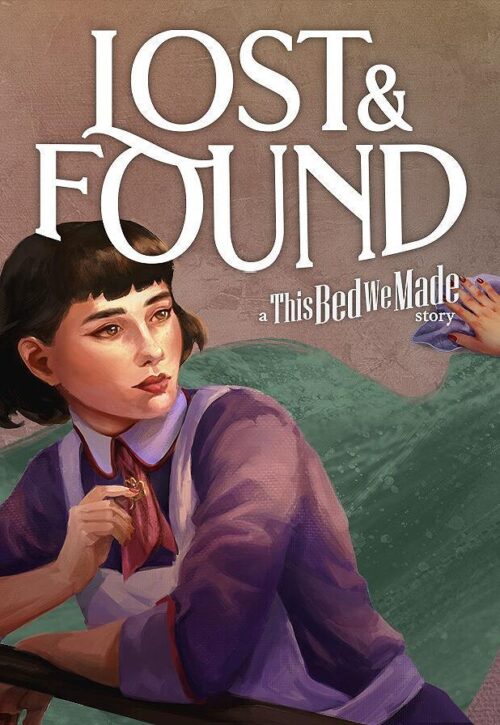
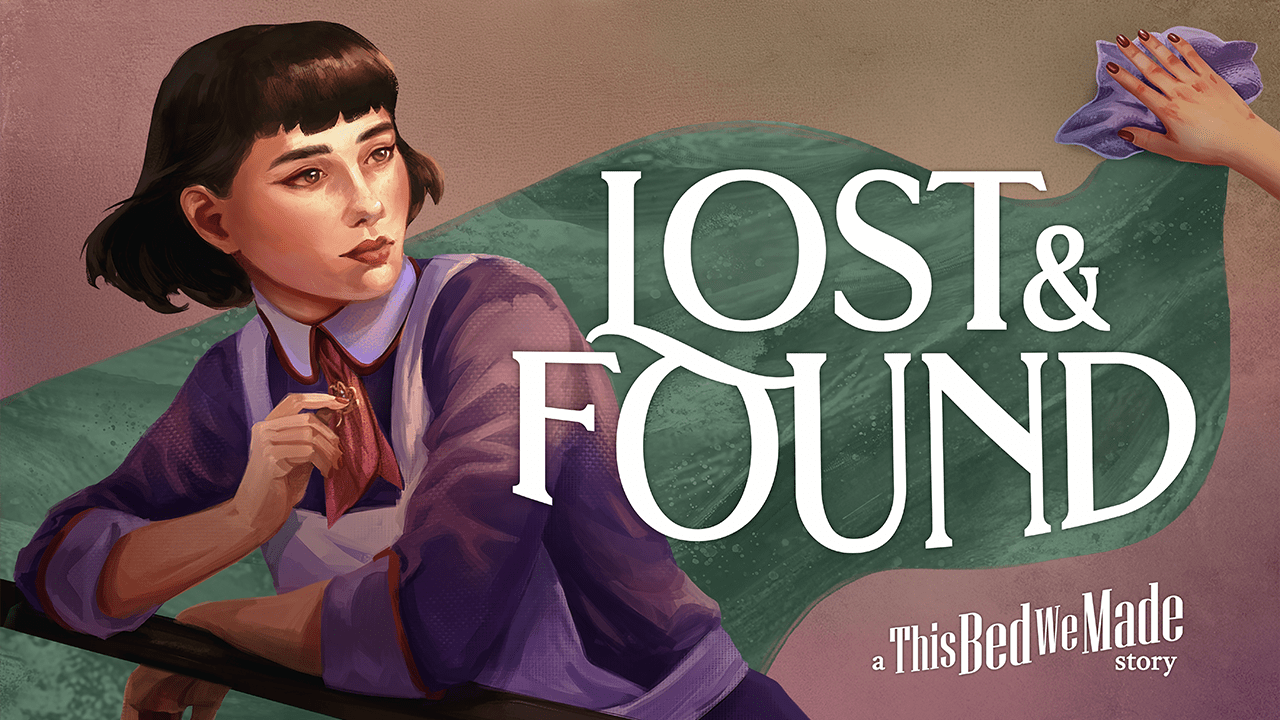
I've already written quite a bit about how much Sophie Roy captured me inThis Bed We Made, so when Lowbirth Games announced this standalone expansion I didn't hesitate for a second to step back into their shoes. Lost & Found: A This Bed We Made Story reunites you with the same protagonist six years after what happened at the Clarington Hotel, now converted into a ship's stewardess, and although it is a much shorter experience than the original, it manages to feel like a genuine continuation rather than simple filler.
Sophie leaves Montreal behind, but not her curiosity
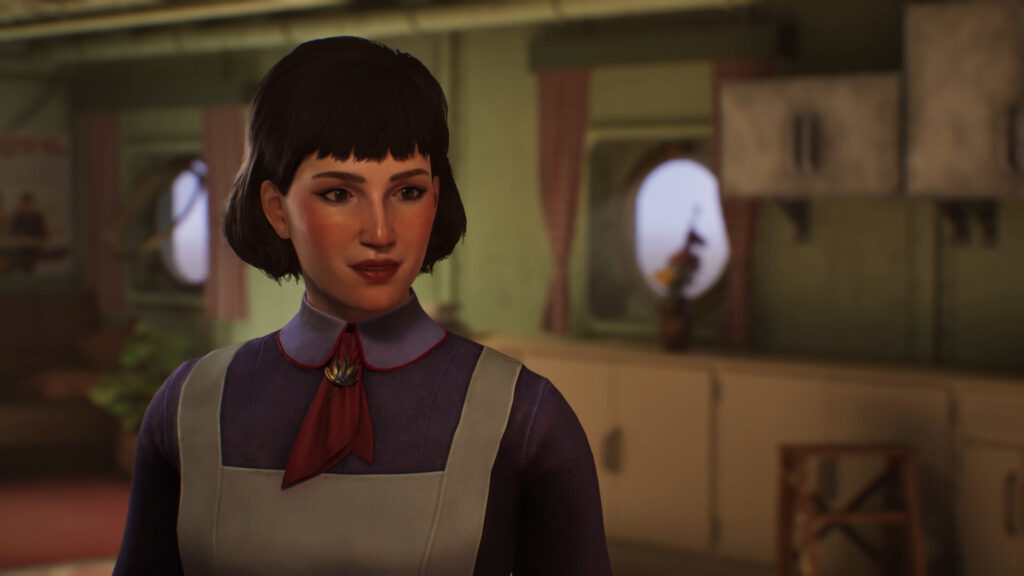
It's 1964, and Sophie got a job asstewardessaboard the Orpheus, a luxury liner designed for wealthy passengers. The interesting thing about this start is that, unlike the original game, hereYou don't need to have played This Bed We Madeto understand the story: at the beginning you're allowed to briefly choose what decisions your version of Sophie would have made in the previous game, from her romantic history to whether she ended up with a criminal record to what career path she followed at Clarington. It is a gesture that is appreciated for those who come from scratch, although it must be said honestly: those previous choices barely affect what happens on board the Orpheus, and function more as a nice nod to continuity than as a true narrative condition.
Already settled into her new routine, with a boss and colleagues who finally seem to value her work (something that was conspicuous by its absence on the Clarington), Sophie runs into a familiar problem: personal belongings of passengers and crew alike begin to disappear. Captain Gary Hamelin asks him to keep his eyes wide open while he does his daily tasks, not knowing that he is asking the least appropriate person for help so as not to stick his nose where it is not wanted.
The same formula, in a much smaller boat
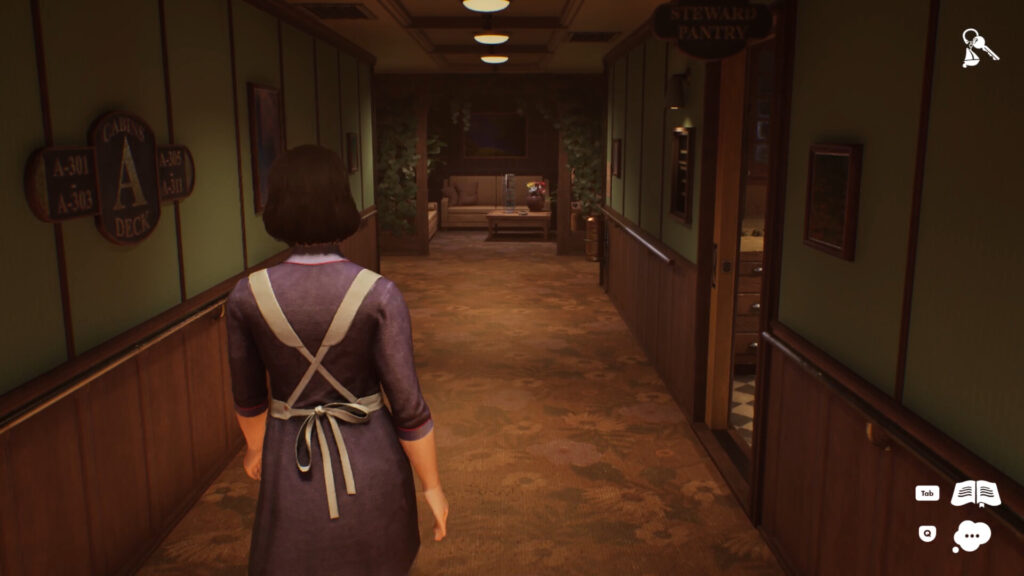
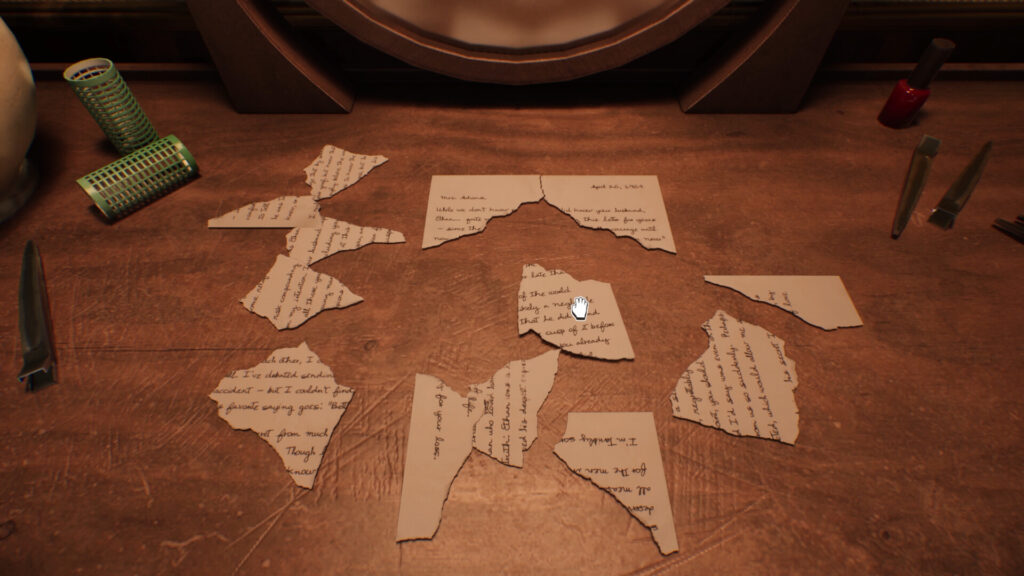
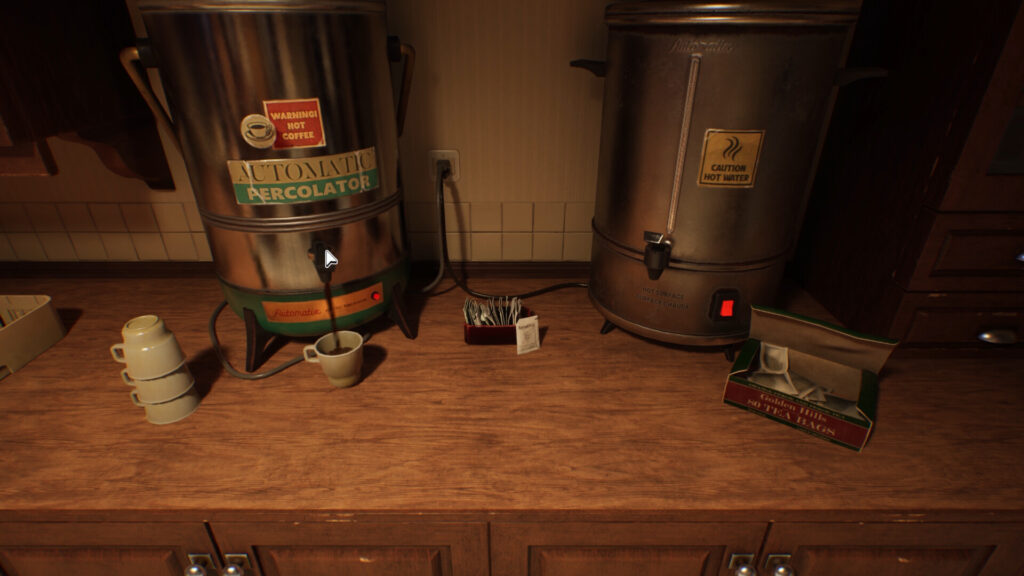
In gameplay terms, Lost & Found doesn't reinvent anything that made This Bed We Made tick, and it doesn't really need to. You're back to cleaning cabins, making beds, and taking advantage of every daily task as the perfect excuse to snoop through other people's belongings, examining objects in 360 degrees and connecting clues that are automatically recorded in Sophie's diary. The most notable difference compared to the original game is the size of the setting: everything takes place in a fairly limited section of the ship, which in practice reduces the feeling of constant discovery that traveling the three floors of the Clarington had, but in exchange builds a more intimate and contained atmosphere, almost as if the ship itself functioned as a social pressure cooker where secrets have fewer places to hide.
That closed atmosphere is especially noticeable in the way the stories of the Orpheus passengers intertwine. Without going into details that I prefer not to spoil for you, there are sections of the investigation that touch on much heavier topics than the "cosy" facade of the game might initially make you think: family secrets kept for years, poorly digested duels, and the constant pressure of keeping up appearances in a society that in the 60s was still deeply rigid with anyone who did not fit the expected mold. It is, in that sense, absolutely faithful to the spirit of the original game, although with much less time to develop each of those threads.
A short stopover, but with Sophie in top form
Where Lost & Found does clearly distinguish itself is visually: the ship looks noticeably more polished and modern than the corridors of the Clarington, and this technical improvement helps a lot to make the experience feel like a step forward and not like a simple reuse of assets. Sophie's voice acting continues to be one of the strongest points of the proposal, and it is a pleasure to find her at a time in her life where, for the first time, she feels surrounded by people who truly value her work, something that directly contrasts with the much more hostile environment at the Clarington.
If I have to give it a but, it is precisely the duration: between one and two hours feels quite short for everything that Lost & Found hints at about Sophie's life after the events of the original game, and I finished the game with a genuine desire to spend more time with her, not because the story is left unfinished, but because the rhythm barely begins to settle when it is almost over. It feels, ultimately, more like a loving epilogue than a chapter with its own entity, although that does not detract from how well written the epilogue is.
For those who enjoyed This Bed We Made, Lost & Found: A This Bed We Made Story is a short but absolutely recommended stopover, with Sophie as curious and endearing as always. And for those who haven't met this nosy maid/hostess yet, it's not a bad entry point: it may even leave you wanting to go find the Clarington Hotel later and find out how it all started.
Related Articles
![[Analysis] Kill The Shadow makes you relive the deaths of others to understand the city itself](https://combogamer.com/wp-content/uploads/2026/08/kill-the-shadow-poster-300x169.jpg)
![[Analysis] This Bed We Made turned me into a nosy maid, and I don't regret it](https://combogamer.com/wp-content/uploads/2026/08/this_bed_we_made-poster-300x169.jpg)
![[Analysis] The Alters: Last Variable turns a scientist's obsession into the best expansion of the year](https://combogamer.com/wp-content/uploads/2026/08/the_alters_last_variable-poster-300x169.webp)
![[Review] Counter-Strike: Source](https://combogamer.com/wp-content/uploads/2026/08/combogamer.com-for-counter-strike-download.net1_-300x169.jpg)
![[Review] Counter-Strike 1.6](https://combogamer.com/wp-content/uploads/2026/08/combogamer.com-for-csget1-300x169.jpg)
![[Analysis] Helix: Descent N Ascent: In white, black and a double that you don't know if it helps or hinders you](https://combogamer.com/wp-content/uploads/2026/07/helix-descent-n-ascent-poster-300x169.jpg)